
Last updated November 15, 2026
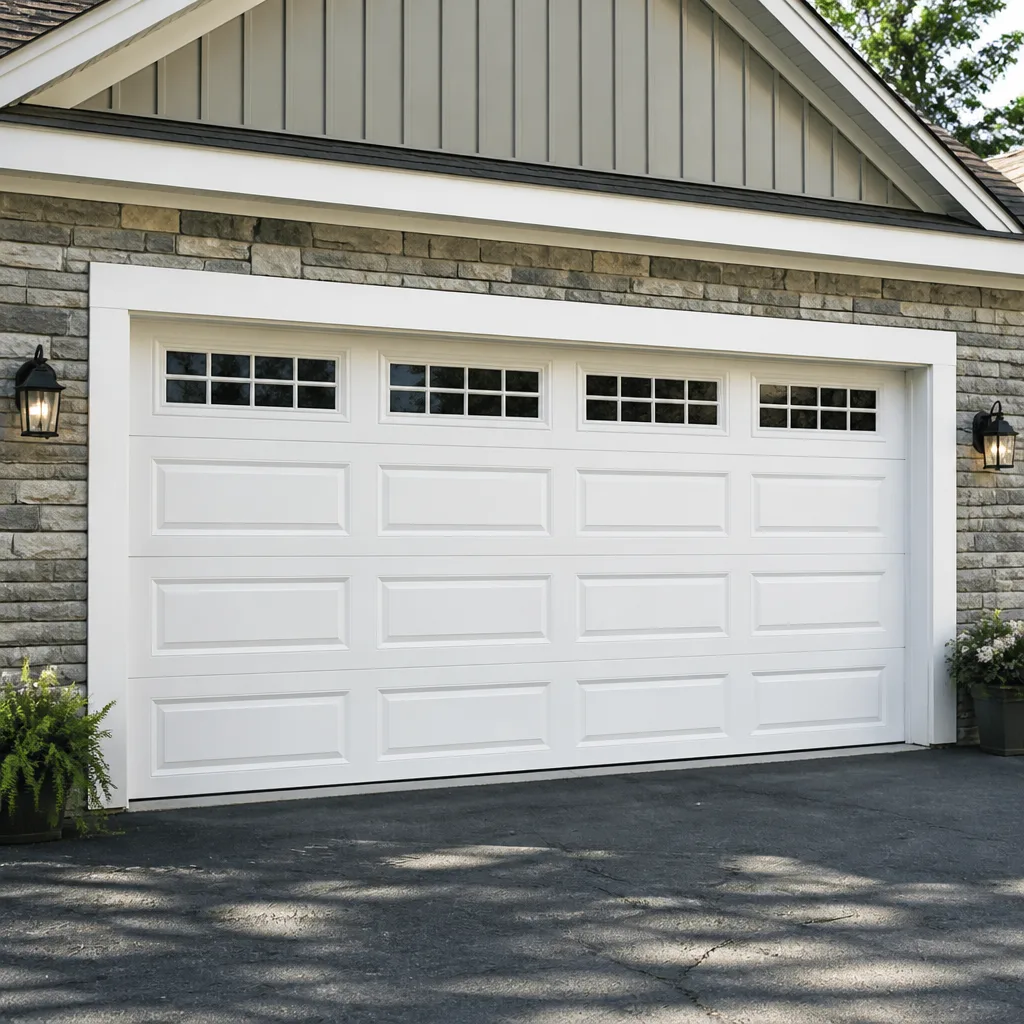 Raised-panel steel
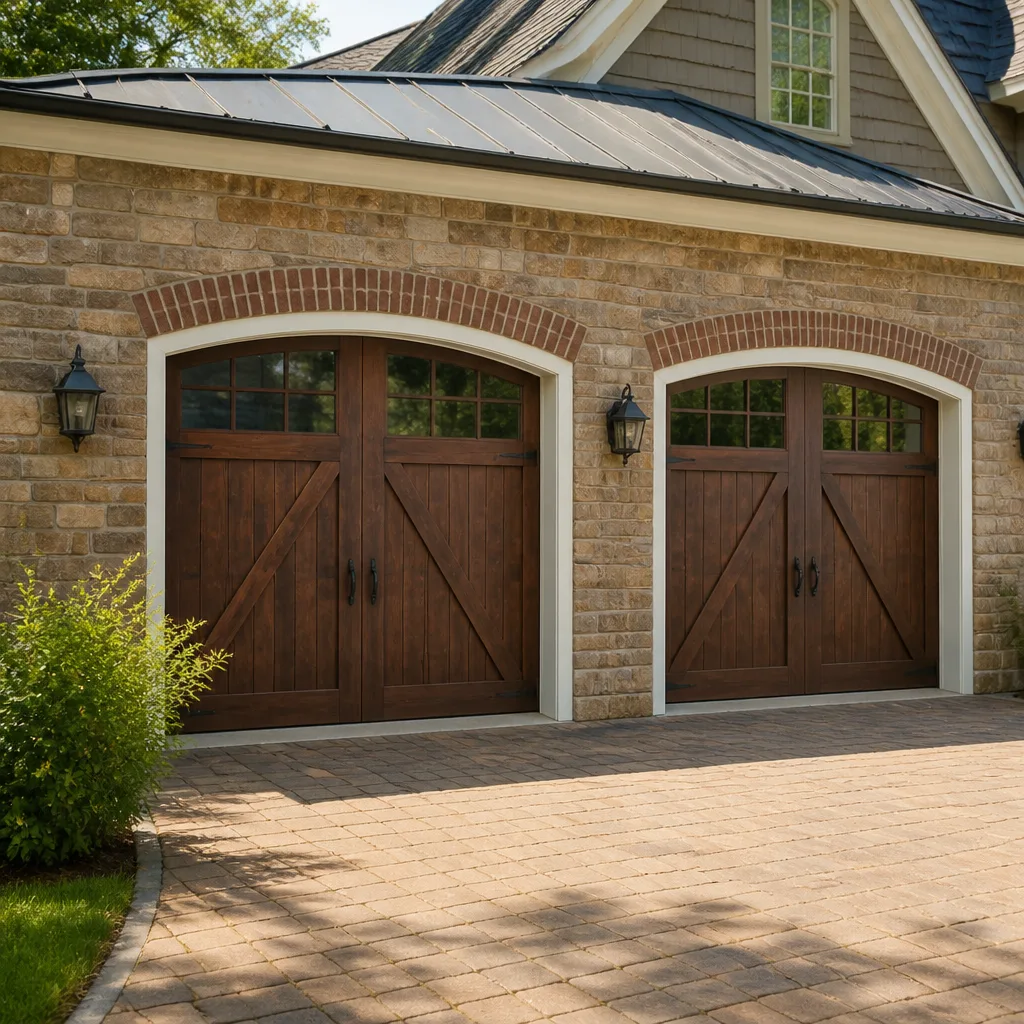 Carriage house
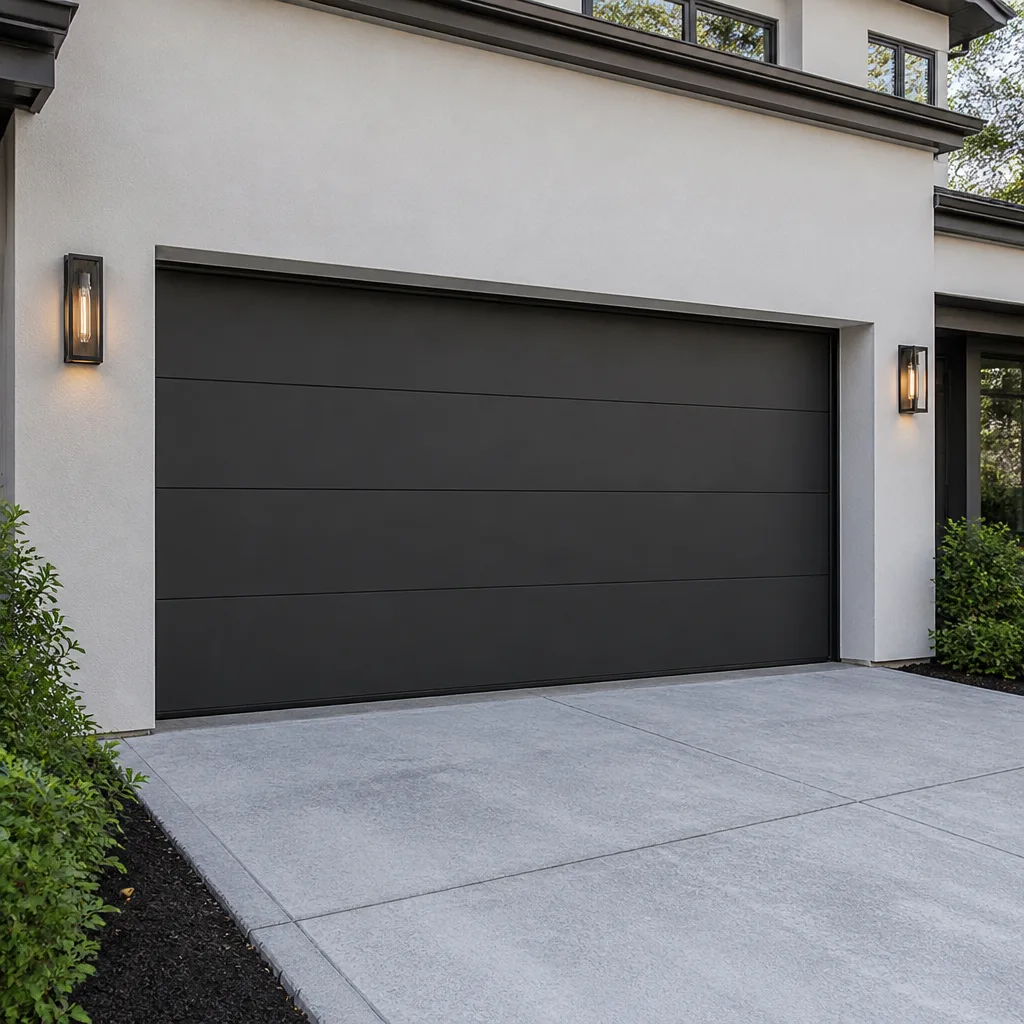 Modern flush
 Full-view glass
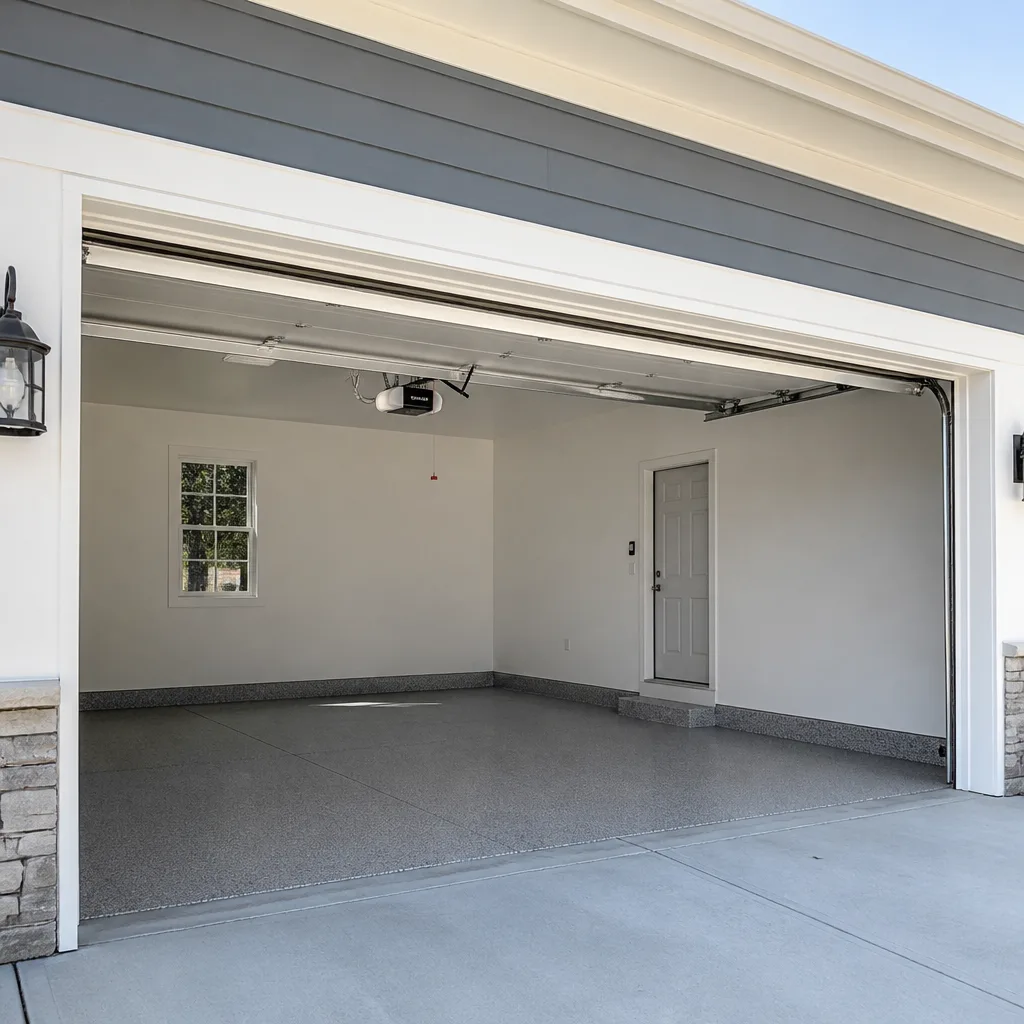 LiftMaster openers
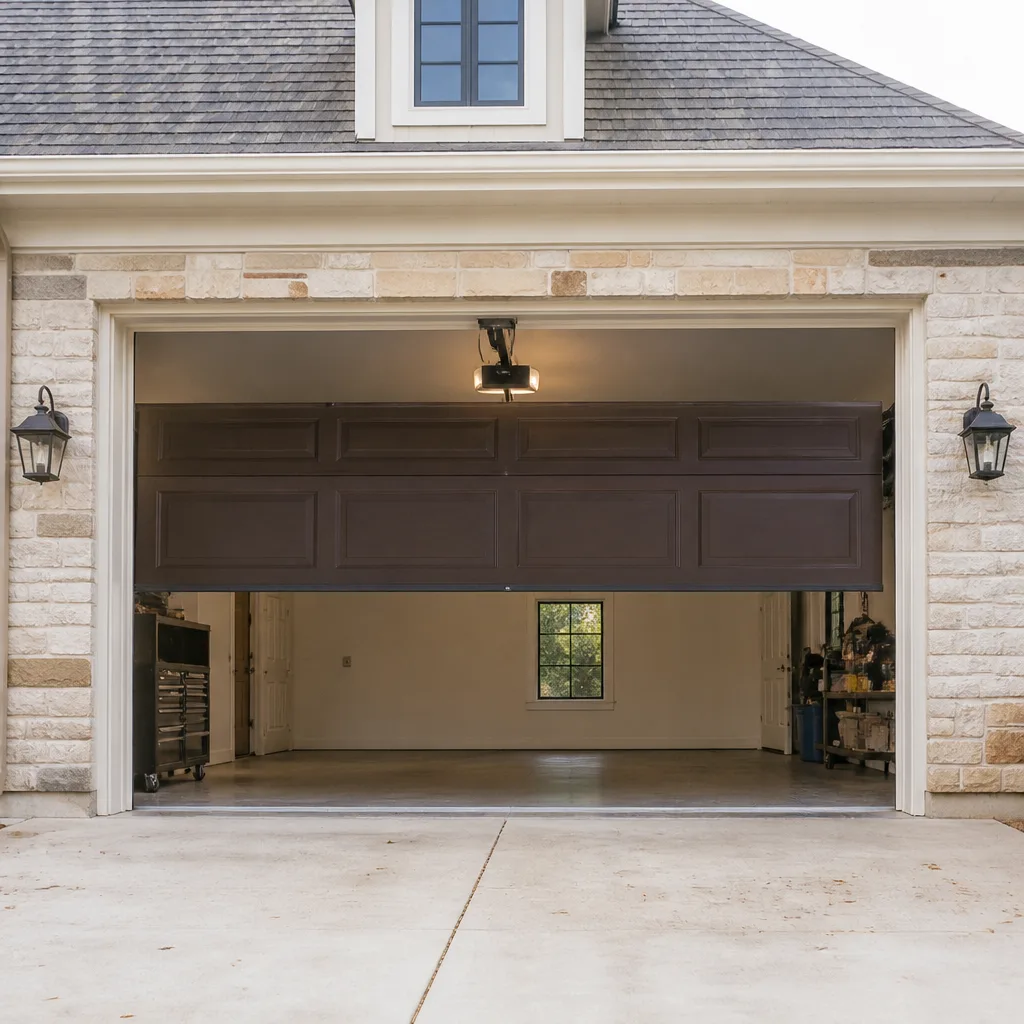 Chamberlain openers
Full 25-point door and opener safety check with every visit - springs, cables, rollers, tracks, and your LiftMaster or Chamberlain opener included
You get a price before we start. It does not change when the pro arrives.
Get your free estimateDIY vs Professional Garage Door: The Fairfield Homeowner’s Decision Guide
Torsion springs store enough energy to cause a serious injury in the fraction of a second it takes a winding bar to slip. That’s not a scare tactic. It’s a physics constraint, and it makes spring replacement categorically different from every other garage door task you might tackle yourself. Most garage door “DIY vs professional” advice treats the whole door as one decision. It isn’t. Some jobs are genuinely yours to handle on a Sunday morning with a tube of lubricant and a screwdriver. Others are work we won’t let an untrained helper stand near. This guide draws that line precisely for Fairfield homeowners: which tasks are safe, which aren’t, what tools each one really needs, and how permits and resale paperwork factor in.
Quick Answer
Homeowners can safely handle lubrication, safety-sensor alignment, remote reprogramming, bottom-seal replacement, and visual inspections on their own. Spring work, cable replacement, and track realignment under load should always go to a trained technician, because those components hold stored force that can injure or kill when released incorrectly. For anything involving springs, cables, or a door that has come off its track, call a professional. In Fairfield, Fidelity Garage Door Service offers free estimates at (844) 467-2146.
Styles & brands we work with
- Raised-panel steel
- Carriage house
- Modern flush
- Full-view glass
- LiftMaster openers
- Chamberlain openers
Table of Contents
- The Homeowner-Safe Task List (With Real Instructions)
- The Non-Negotiable Professional Tasks
- Tools and Skills: What Each Job Actually Requires
- Panel Replacement: DIY Sourcing vs Professional
- Permits, Insurance, and Resale in Fairfield
- Opener Work: The Gray Zone
- The Real Cost Comparison
- Common Mistakes to Avoid
The Homeowner-Safe Task List (With Real Instructions)
These are the jobs where a careful homeowner with the right tools does fine work. We’re not gatekeeping here. A well-lubricated door runs quieter, lasts longer, and gives you a head start on spotting problems before they become expensive. In our experience across Fairfield, a door that gets an annual lubrication and a visual once-over lasts years longer than one that doesn’t.
1. Lubrication
Use a white lithium grease or a silicone-based spray on the hinges, rollers, and bearing plates. Don’t use WD-40 as a lubricant; it’s a solvent, not a grease, and it will dry out the parts it’s supposed to protect. Apply a light coat to each hinge pivot, then a few drops on each roller shaft. Wipe off excess. Do this twice a year, and it will noticeably quiet a door that’s started to groan.
2. Safety-Sensor Alignment
The two photo-eye sensors at the bottom of the tracks need to see each other. If the door won’t close, or closes and immediately reverses, the sensors are usually the cause. Check that both LEDs are solid (not blinking), wipe the lenses with a dry cloth, and nudge each sensor until both lights settle. If one sensor’s LED stays dark, the wiring or the sensor itself is the problem.
3. Remote Reprogramming
Every major brand works a little differently, and we work on all eight of the biggest ones: LiftMaster, Chamberlain, Genie, Clopay, Amarr, Wayne Dalton, Craftsman, and Raynor. Most remotes pair by pressing a “learn” button on the opener head, then pressing the remote within thirty seconds. If you’ve lost the manual, the brand name stamped on the opener housing narrows it down fast.
4. Bottom Seal Replacement
The rubber seal at the bottom of the door keeps out weather, insects, and water, and it cracks with age. Slide the old seal out of its channel, cut the new one to length with a utility knife, and slide it in. This is a one-person, thirty-minute job on most doors.
5. Visual Inspections
Once a month, look at the springs (not touch, look), the cables, the rollers, and the hinges. Watch the door open and close. Anything that looks frayed, loose, or worn gets flagged for the next step up.
The Non-Negotiable Professional Tasks
These are the jobs where a mistake isn’t a frustration, it’s an injury. Every one of them involves stored mechanical energy or load-bearing hardware under tension. This is where the DIY vs. professional conversation stops being about money and starts being about whether it’s safe to attempt at all.
Torsion Spring Replacement
A torsion spring holds enough force to lift a door that weighs hundreds of pounds. When one fails during handling, it releases that energy in a fraction of a second. The failure mechanism is the winding bar slipping out of the winding cone while the spring is under load. Specialized winding bars are the only correct tool, and even experienced technicians wear safety glasses and stand clear of the wind path. There is no homeowner version of this job that is safe. Call us. We mean it.
Extension Spring Replacement
Less force than torsion, but still enough to break a wrist or worse if a tensioned extension spring lets go. These springs run along the horizontal tracks, and releasing them requires a controlled unwinding process with specific hand placement. Same rule applies.
Cable Replacement
Cables are what actually transfer the spring’s force to the bottom of the door. A worn cable is visibly frayed, and a broken cable drops the door. The failure mechanism here is a snapped cable whipping toward whoever is standing in the path. It happens without warning and it happens fast. A trained technician uses a C-clamp and locking pliers to lock the door against the torsion bar before touching the cable.
Track Realignment Under Load
Bent tracks are common. Repositioning them while the door is under spring tension means fighting a loaded system that can snap back. Track work involves loosening track bolts while the door rests on the torsion system, and it needs the door supported and locked first. Not a homeowner job.
Panel Replacement
Replacing a damaged panel seems simple: the panels bolt to the stiles. But panels are heavy, awkward, and need to be perfectly level so the door tracks true and the opener doesn’t strain. We’ve seen many a homeowner get the panel most of the way in and then strip the screws or pinch the hinge. Add to that the sourcing problem below, and panel replacement is usually a better call to a professional.
Tools and Skills: What Each Job Actually Requires
“Basic tools” is not a useful phrase for a decision guide. Here’s what each task actually needs, specifically, so you can judge whether your garage shelf is stocked. We work on lots of Fairfield doors, and the tool drawer we see most often falls short in the same three places.
Lubrication
- White lithium grease or silicone spray lubricant
- A rag for wiping excess
- No wrench needed
Sensor Alignment
- Small Phillips screwdriver (usually #1 or #2)
- Dry cloth
- A level to confirm the sensor is plumb (sensors mount level, not tilted)
Remote Reprogramming
- A step stool to reach the opener head
- No tools; the learn button is exposed
Bottom Seal Replacement
- Utility knife with a fresh blade
- Tape measure
- New seal sized to your door width (9-foot or 16-foot are the common residential sizes)
Visual Inspection
- Flashlight
- No tools; just attention
What the Professional Brings
- Winding bars sized to your torsion system
- C-clamps/locking pliers to lock the door against spring torque
- Socket and box wrench sets for track and hinge bolts
- Torque knowledge: track bolts have a spec, hinge screws don’t need to be gorilla-tight
The one torque fact worth knowing is that track and bearing plate bolts must be snug, not over-tightened, because over-tightening warps the track and puts the door out of alignment. An untrained hand tends to over-torque everything. If you find yourself asking “should this bolt turn this hard?”, the answer is usually no.
Panel Replacement: DIY Sourcing vs Professional
Panel replacement is where the DIY-versus-professional math gets interesting, because the question isn’t just whether you can do the work. It’s whether you can buy a panel that matches. Panels match by profile, color, texture, and window configuration. A Clopay panel and an Amarr panel of similar style are not interchangeable, and profile details vary by model year even within one brand.
When Sourcing Is Realistic
- The door is a current production model from a major brand
- The color and profile are still stocked
- The panel is a standard or common size
- You can see the model sticker inside the door panels, which is where the model number lives
When It Becomes a Money-Losing Exercise
- The door style has been discontinued. Discontinued panels aren’t made anymore, full stop, and a mismatched panel looks wrong from the street.
- The exact color is out of production. Paint doesn’t perfectly match, and a repaint of the whole door is the minimum to hide the seam.
- The panel wraps a stamped pattern that no current model replicates.
- The door is older and no stickers remain. Then you’re guessing on brand model at a glance, which almost never works.
This is where working with a garage door specialist saves you money, not just time. We work on Clopay, Amarr, Wayne Dalton, Craftsman and the rest, and the model sticker inside the panel is usually the difference between a same-week fix and a two-week search for a discontinued panel that doesn’t exist.
Permits, Insurance, and Resale in Fairfield
Fairfield permits vary depending on whether you’re repairing, replacing, or installing new. The safest direct answer to “do I need a permit?” is to call the City of Fairfield Building Department with your specific job, because the answer depends on what’s actually being done. What we can tell you from working in Fairfield for years is how insurance and resale paperwork usually shake out.
Where a Permit Is Commonly Required
- Full door replacement with a new opener system, when the job involves structural brackets
- Any work that changes the door opening dimension or adds a new structural mount
- Alterations that touch the header or the structural framing
Where It Usually Isn’t
- Spring replacement on an existing door
- Opener swap with the same mounting
- Panel replacement with matching parts
- Sensor and remote work
When you hire a licensed contractor for structural or full-install work, the contractor carries the permit and the inspection. When you self-perform the same work as a homeowner, you generally can pull an owner-builder permit in California for your own residence, but the inspection outcome and the liability remain yours. The resale consequence is the part most homeowners don’t think about: a buyer’s inspector will spot unpermitted structural work, and an open permit on the property can delay closing. Do the safe work yourself. Pull a permit for the structural install. If you’re not sure whether your job needs one, call the building department and describe the job exactly.
Where a Licensed Contractor Matters Most
- Anything that changes the door opening or structural mounting
- Any job your homeowner’s insurance will later look at
- Any job that could appear in a disclosure during a sale
This is one of those spots where calling Fidelity Garage Door Service for a free estimate costs nothing and can save you a paperwork headache down the line.
Opener Work: The Gray Zone
Opener repair sits squarely between the two columns. Some of it is genuinely homeowner-safe. Some of it isn’t, and the split isn’t obvious. Here’s how we sort it.
Homeowner-Safe Opener Work
- Reprogramming remotes and keypads
- Replacing the opener’s battery in the wall button
- Adjusting travel limits using the opener’s built-in adjustment screws
- Adjusting force sensitivity per the opener’s manual
- Clearing a jam by removing an obstruction and resetting
Professional Opener Work
- Replacing a drive gear, belt, chain, or screw drive
- Replacing the opener motor or logic board
- Replacing the opener entirely
- Any work on the door’s torsion or extension springs, even when the opener is the reason the door stopped
When someone calls us for garage door opener repair, the first thing we do is verify the door’s springs and balance. A door that’s out of balance will burn through the opener. A well-meaning homeowner often replaces the opener when the real problem is a tired spring. Diagnosed right, fixed right: that’s the whole point of calling a specialist.
The Real Cost Comparison
The DIY vs. professional cost question is often framed as “how much can I save?” That’s the wrong starting point. The right starting point is “what does each path actually cost me, all in?” Here’s how we see it in Fairfield.
- Lubrication, sensors, remotes, seals, inspections: DIY is cheaper, and it’s the right call. Your time, a few dollars in materials.
- Spring replacement: Professional is the only safe path. A professional spring job is priced per spring, and a matched pair is usually replaced together, so a pair costs about twice a single-spring estimate.
- Cable replacement: Professional only. A snapped cable is dangerous to handle, and the repair is priced per side.
- Track realignment: Professional. Bent tracks that were straightened by hand tend to bend again within weeks.
- Panel replacement: Depends entirely on panel to match. Replacing a discontinued panel becomes a full-door job.
- Opener repair: Mixed. Program, adjust, and reset yourself. Motor, board, drive, call a professional.
For a full menu of what each Fairfield job costs, see our garage door repair page. The estimate you get at your door is the price you’ll pay. We quote and agree on the price before any work starts. If the door reveals a bigger problem under the surface, the answer is to stop, show you, and re-quote, not to surprise you at invoice time.
If you’re weighing whether to repair or install new, our Fairfield guide walks through the decision from the local angle, including neighborhood-specific quirks in door styles and lot lines.
Common Mistakes to Avoid
- Touching a torsion spring without winding bars. There’s no workaround. Pliers, pipe wrenches, and vice grips have all been used, and none of them belong near a loaded spring. This is the single most dangerous mistake we hear about.
- Using the wrong lubricant on rollers. Household oil and WD-40 dry out or attract grit, and your door gets louder, not quieter. Use white lithium grease or silicone spray.
- Reprogramming a remote to the wrong opener frequency. Frequencies differ by brand, and the remote has to match. If it won’t pair after two tries, stop and check the opener’s model sticker before you keep cycling.
- Forcing a door that’s off its track. A door that has jumped the track is holding stored spring force and is at risk of a sudden drop. Don’t run the opener to “see if it works.”
- Buying a replacement panel without confirming the model. The panel model sticker is inside the door, and it’s what determines whether a matching panel exists. Without it, panel replacement becomes guesswork.
- Adjusting force sensitivity too aggressively. Pushing the force setting up to compensate for a stiff door will let the door close on an obstruction. Fix the door, don’t dial up the force.
- Assuming the opener is the problem when it’s the spring. A tired spring burns out openers fast. Replace the opener without addressing the spring and the new one fails too.
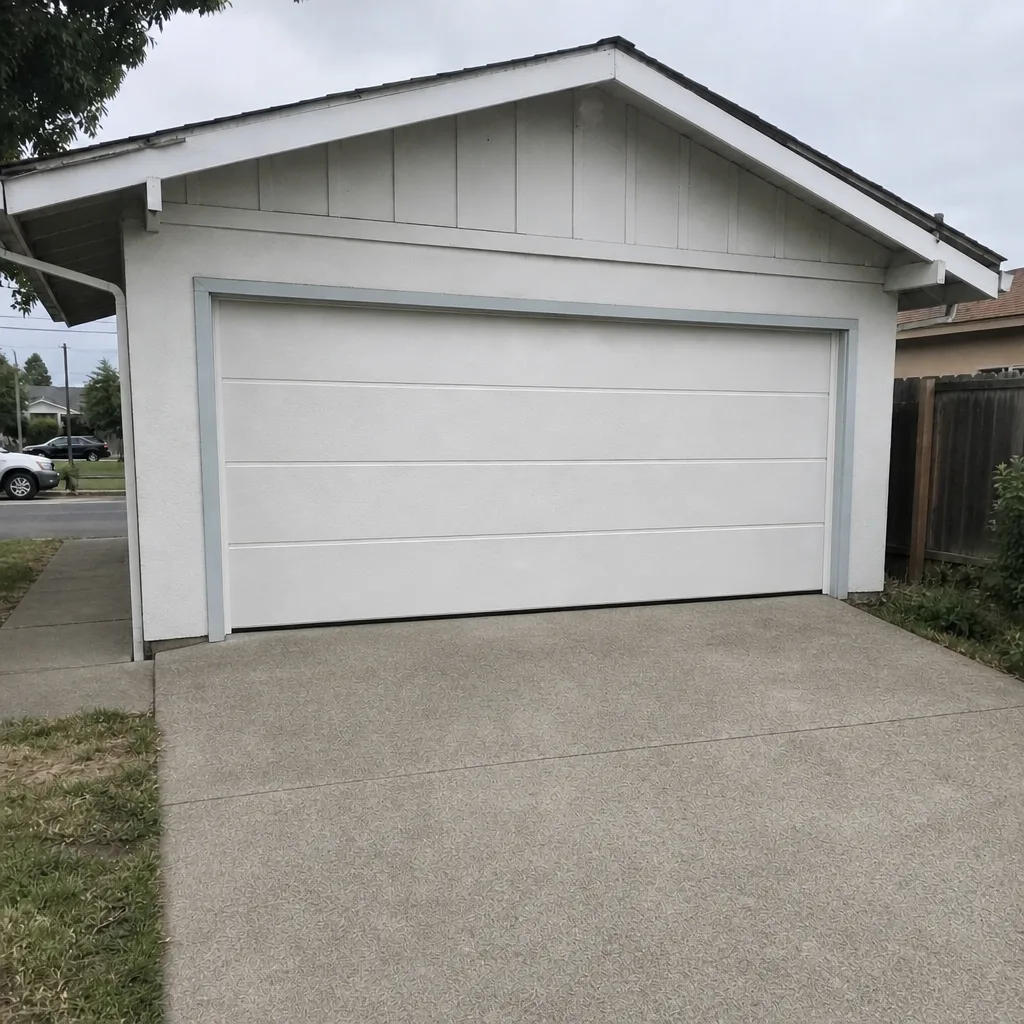
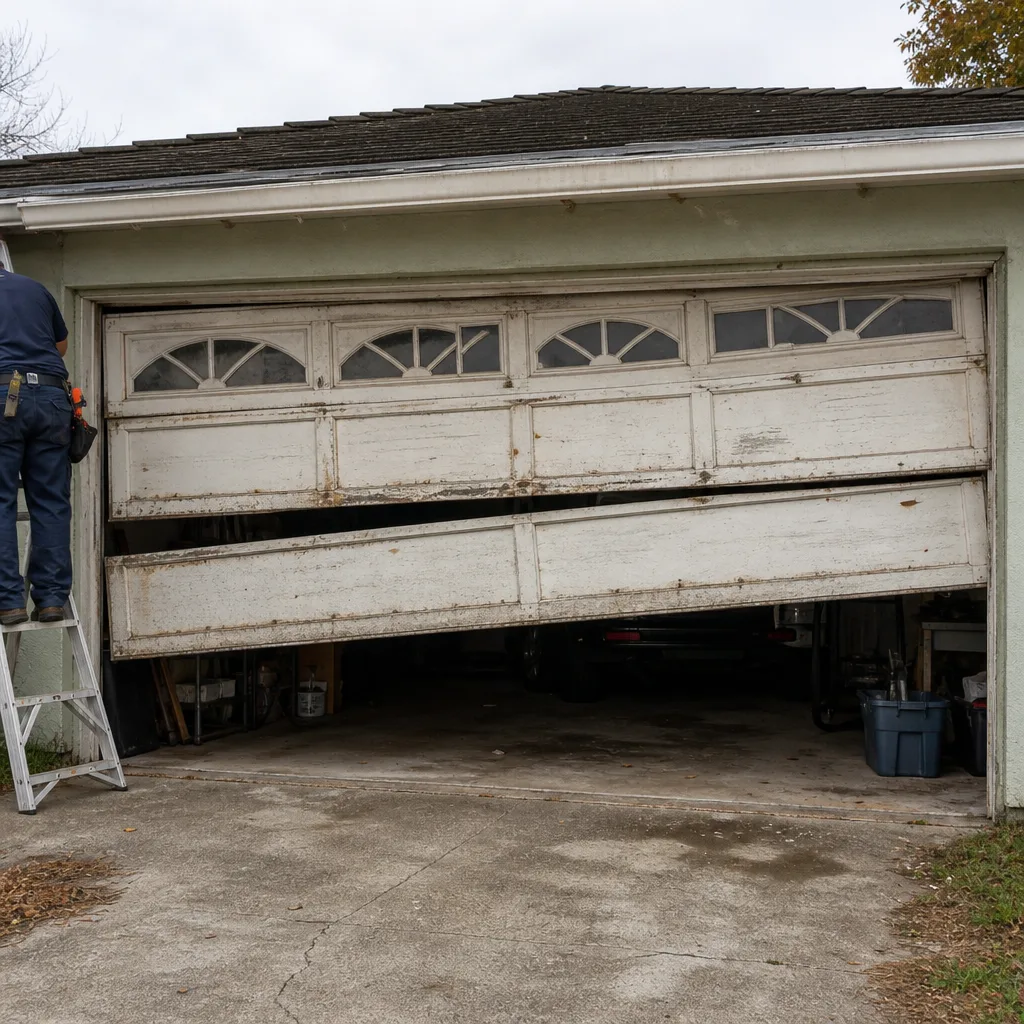
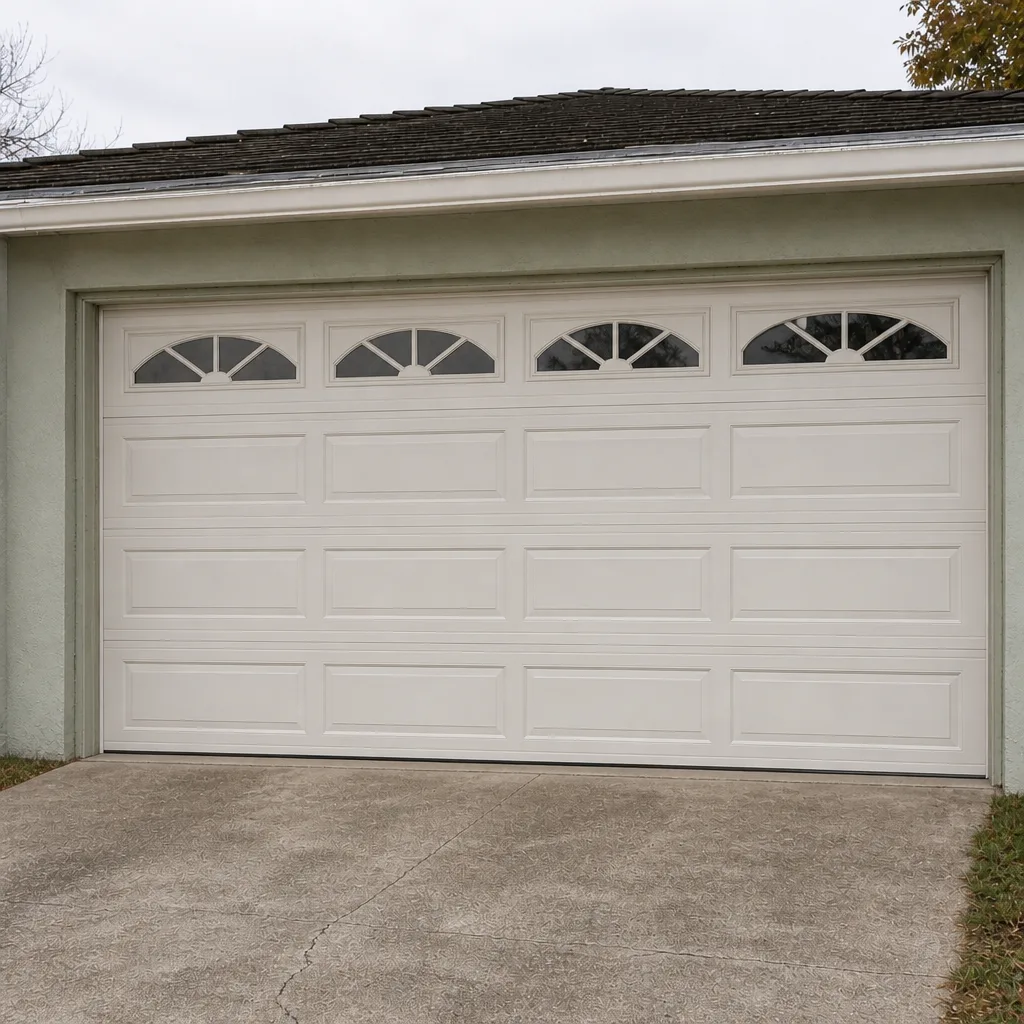
See the difference
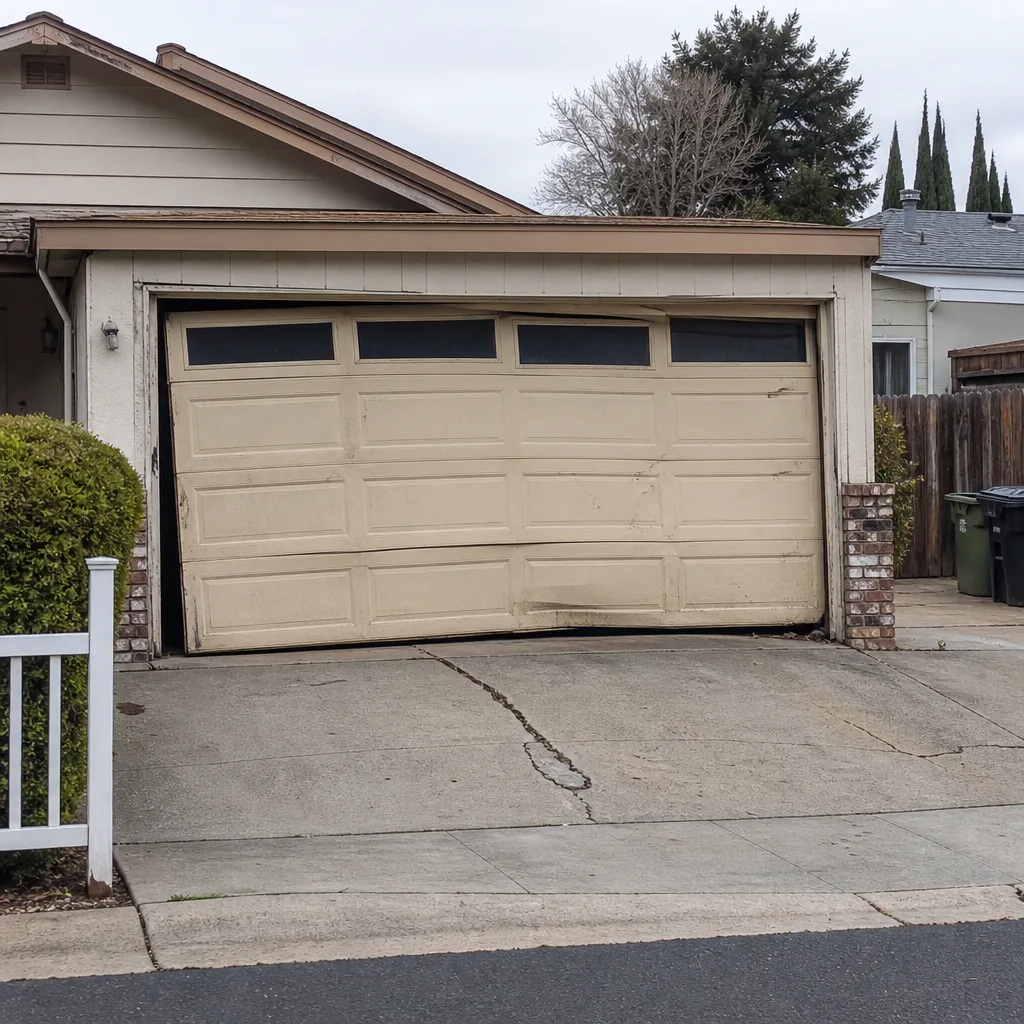 Before
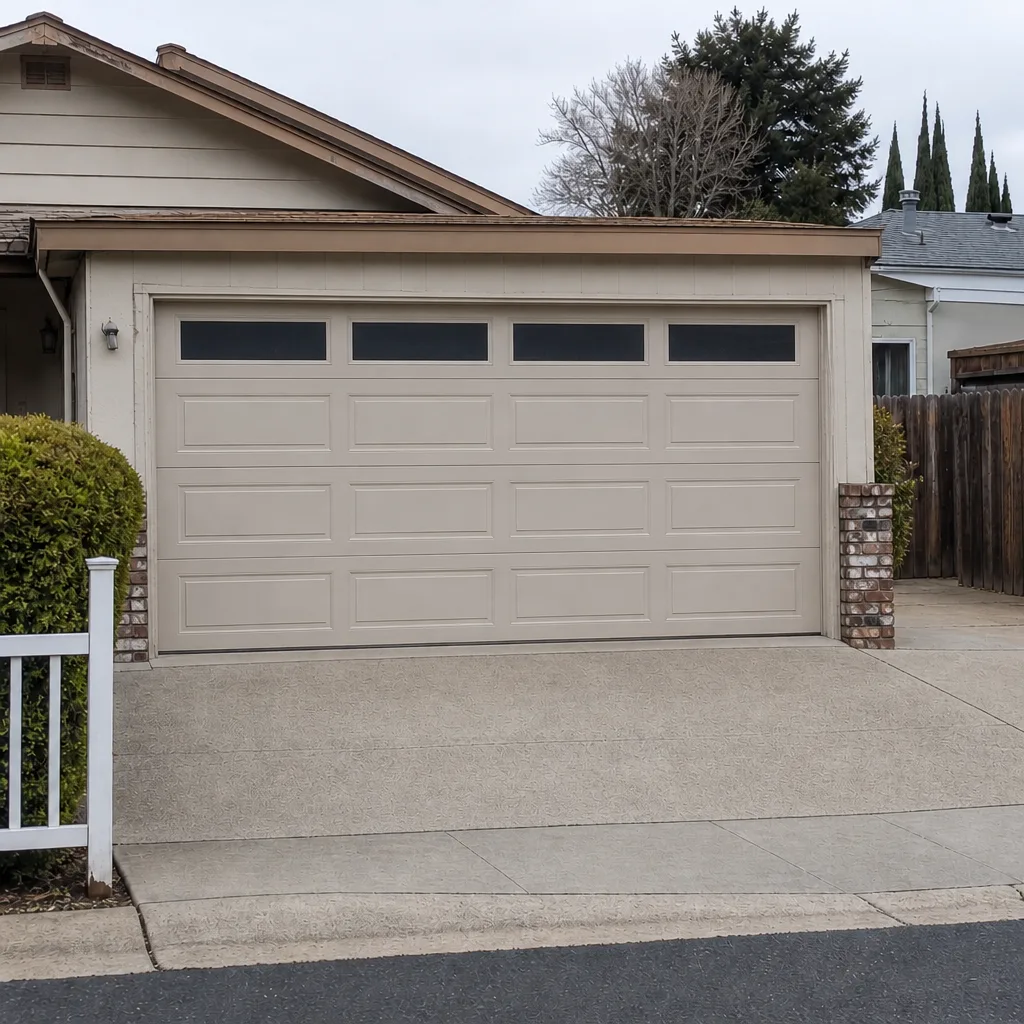 After
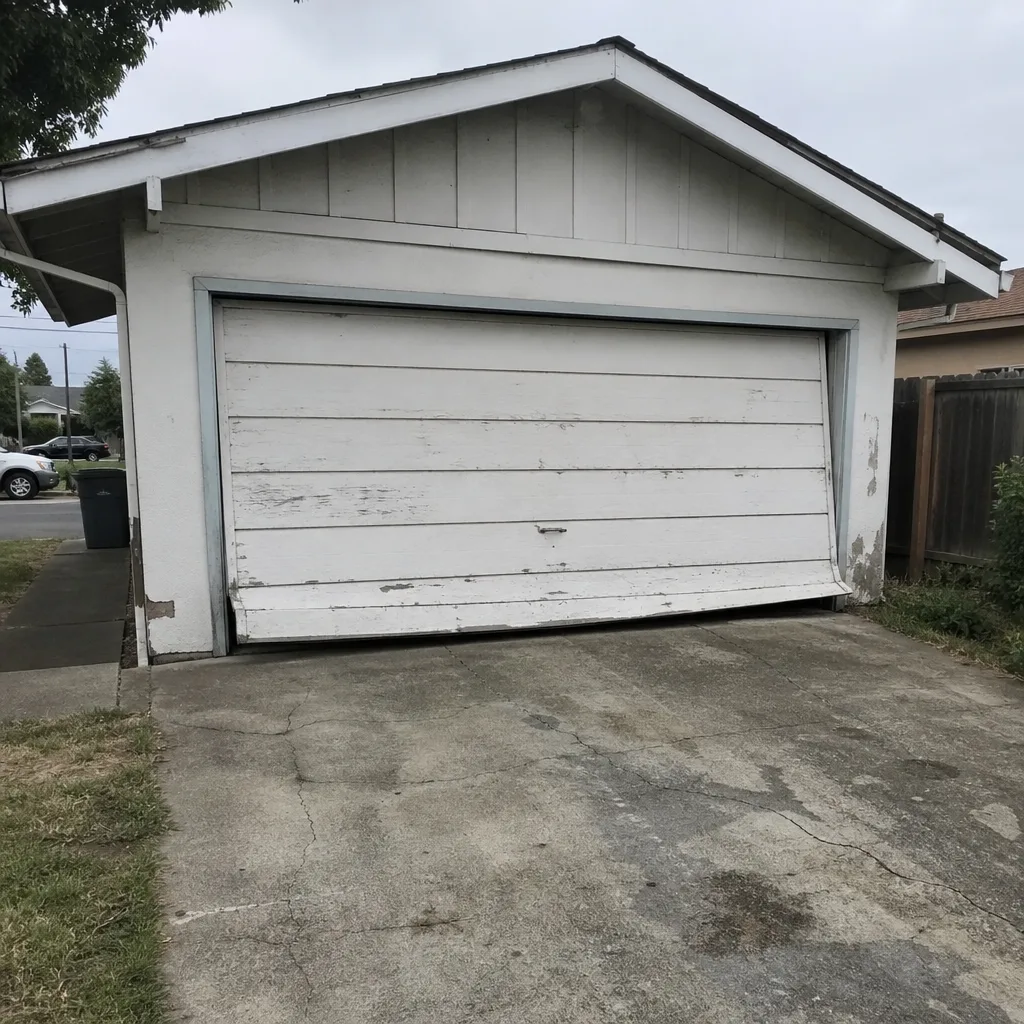 Before
 After
 Before
 After
When to Call a Professional
Call a professional if a spring has broken, if a cable is visibly frayed or snapped, if the door has come off its track, if the door is too heavy to lift by hand, if the opener’s motor is dead, or if you can’t find the model sticker and need a matched panel. Call before you clear a jam by running the opener, because that’s when a loaded system fails in the worst way. Fidelity Garage Door Service offers free estimates in Fairfield, so the call is free and the answer is honest.
Call (844) 467-2146. We answer 24/7. Fast dispatch from 7am to 7pm, Sunday through Friday. When a spring fails on a Saturday, we book it for Sunday. (We’re closed Saturday.) Our technicians have up to 13 years of experience, and they work on your brand, whether it’s Clopay, Amarr, Wayne Dalton, Craftsman, or one of the others in our eight-brand lineup.
Frequently Asked Questions
No. Torsion springs store enormous energy, and a winding bar slip can cause serious injury in under a second. There’s no careful homeowner version of this job that is safe, so call a trained technician.
Sometimes, if the door is current production from a major brand, the panel model is stamped inside, and the panel is still in production. If the style is discontinued or the exact color isn’t available, a matching panel doesn’t exist and replacing becomes a full-door job. In that case a specialist is the only route.
It depends on the job. Call the City of Fairfield Building Department and describe the exact work. Spring and opener repairs on an existing door don’t typically require a permit. Any work that changes the structural mounting or the door opening generally does.
Reprogramming remotes, adjusting travel limits, and resetting a jam are homeowner jobs, and yes, those are cheaper to do yourself. Motor, gear, board, and drive replacements are professional work. A misdiagnosed opener replacement is the most common expensive mistake we see.
Lubrication, sensor alignment, remote reprogramming, bottom seal replacement, and visual inspections are all safe and doable for a careful homeowner with the right tools. Everything involving springs or cables is not.
Find the model sticker inside the door panels, then call the manufacturer or a garage door specialist who works on that brand. If the model number draws a blank, the style is probably out of production.
You put yourself at risk of serious injury. A loaded torsion spring that releases unexpectedly is one of the most dangerous repair mistakes a homeowner can make. Call us instead.
Look for a company that works on multiple brands, can handle repair, opener repair, and installation under one roof, and can identify your door by model. If you start on our Fidelity Garage Door Service homepage, you’ll see the full service range. For opener-only work, see garage door opener repair.
The Bottom Line
DIY vs. professional for a garage door isn’t a philosophical question about self-reliance. It’s a line drawn by physics. Lubrication, sensors, remotes, seals, and inspections are yours. Springs, cables, and track work are not, and no amount of YouTube will change the energy stored in a torsion spring. Fairfield homeowners who do the safe work themselves and call a specialist for the rest save the most money and avoid the worst outcomes. For anything that touches a spring, a cable, or heavy panel work, call a professional. Fidelity Garage Door Service is your garage door specialist, and the name is a promise. Call (844) 467-2146. We answer 24/7. Fast dispatch from 7am to 7pm, Sunday through Friday.
Written by the team at Fidelity Garage Door Service.