
Last updated November 15, 2026
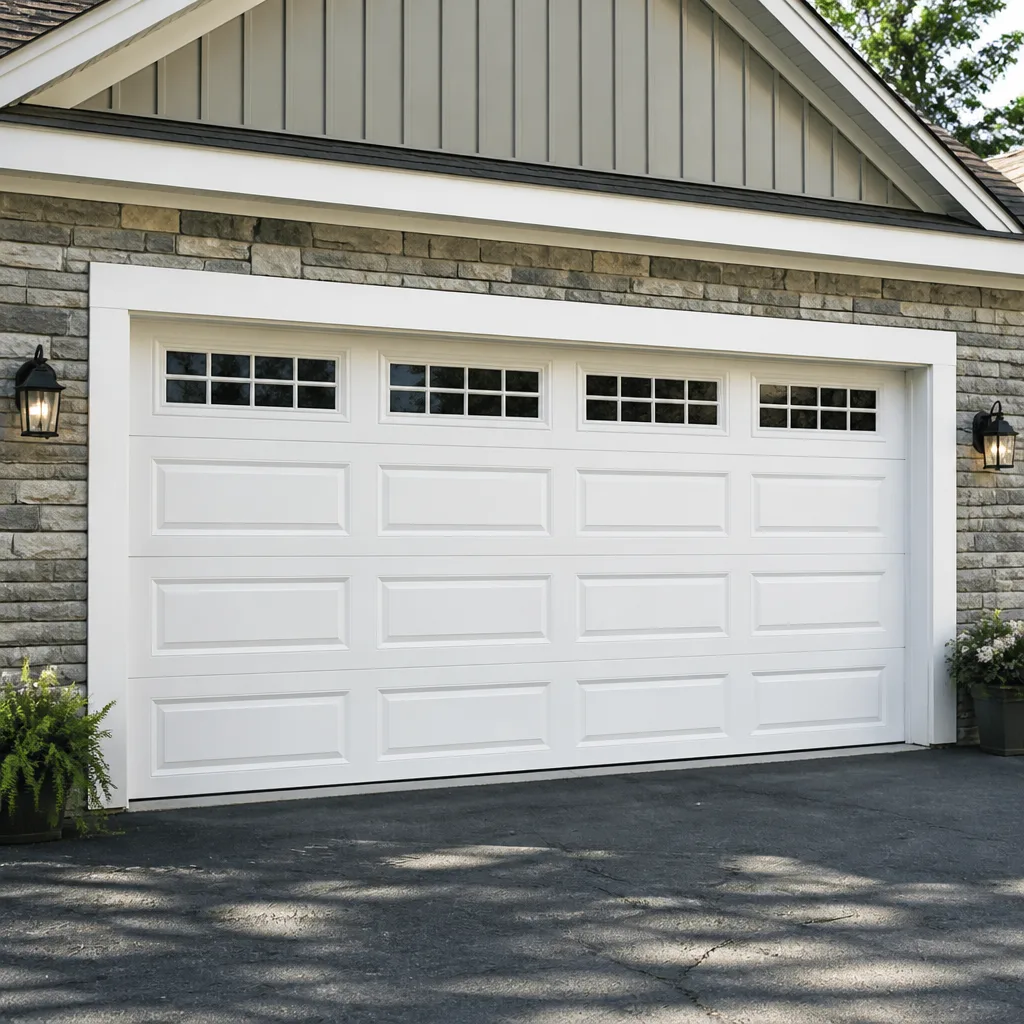 Raised-panel steel
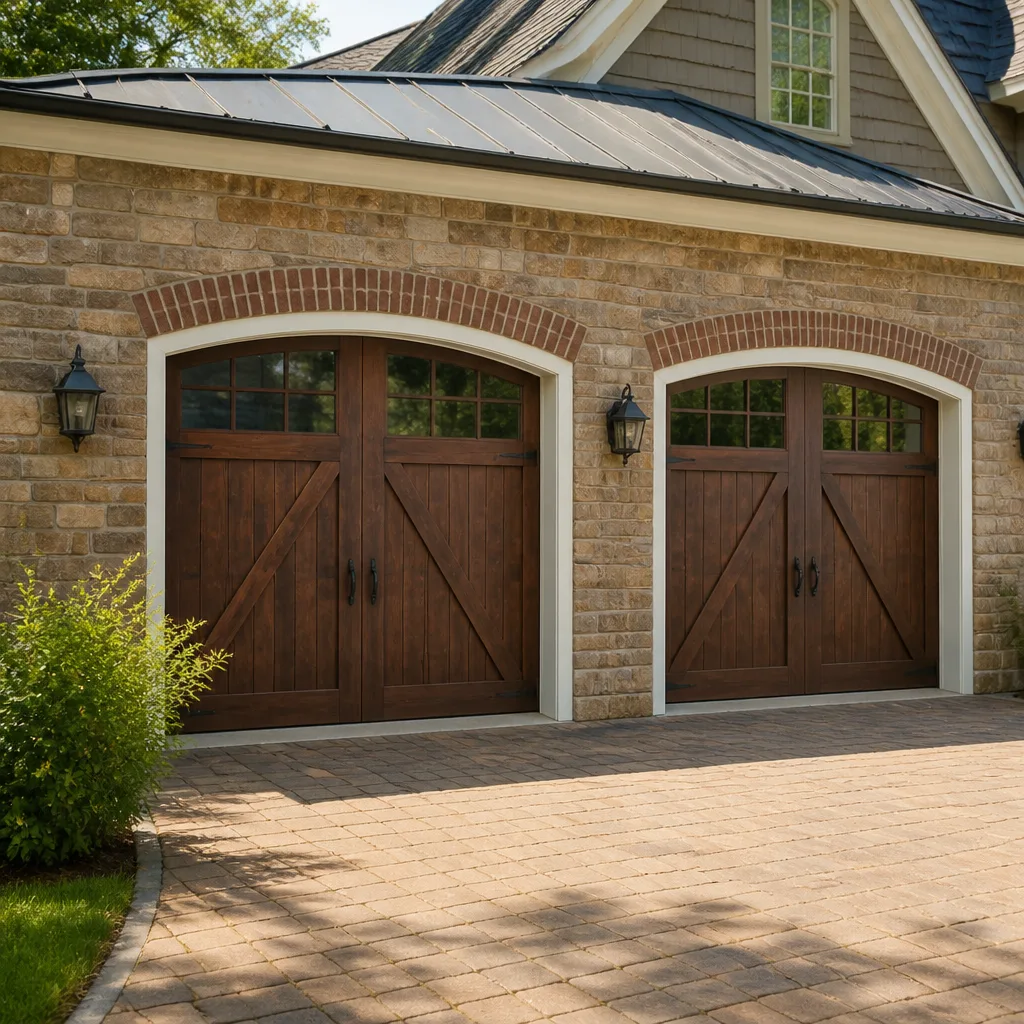 Carriage house
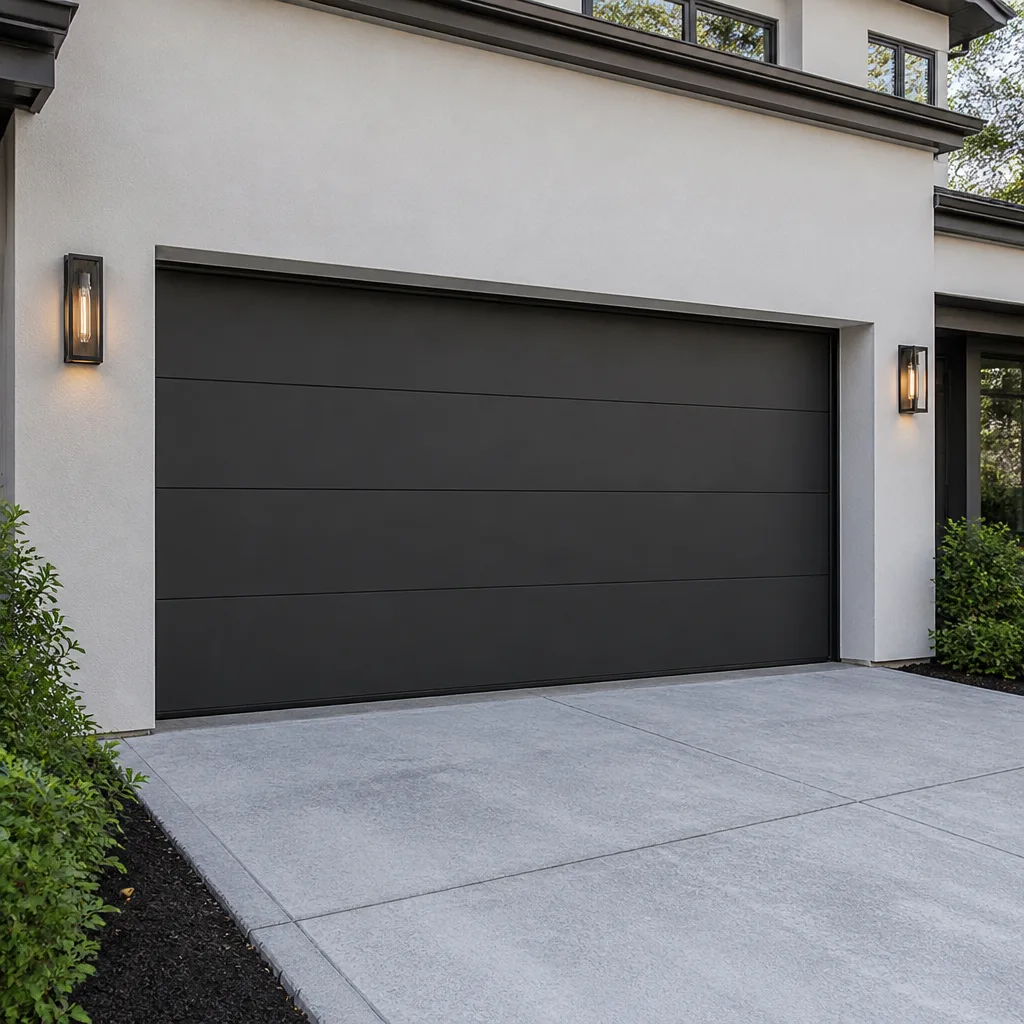 Modern flush
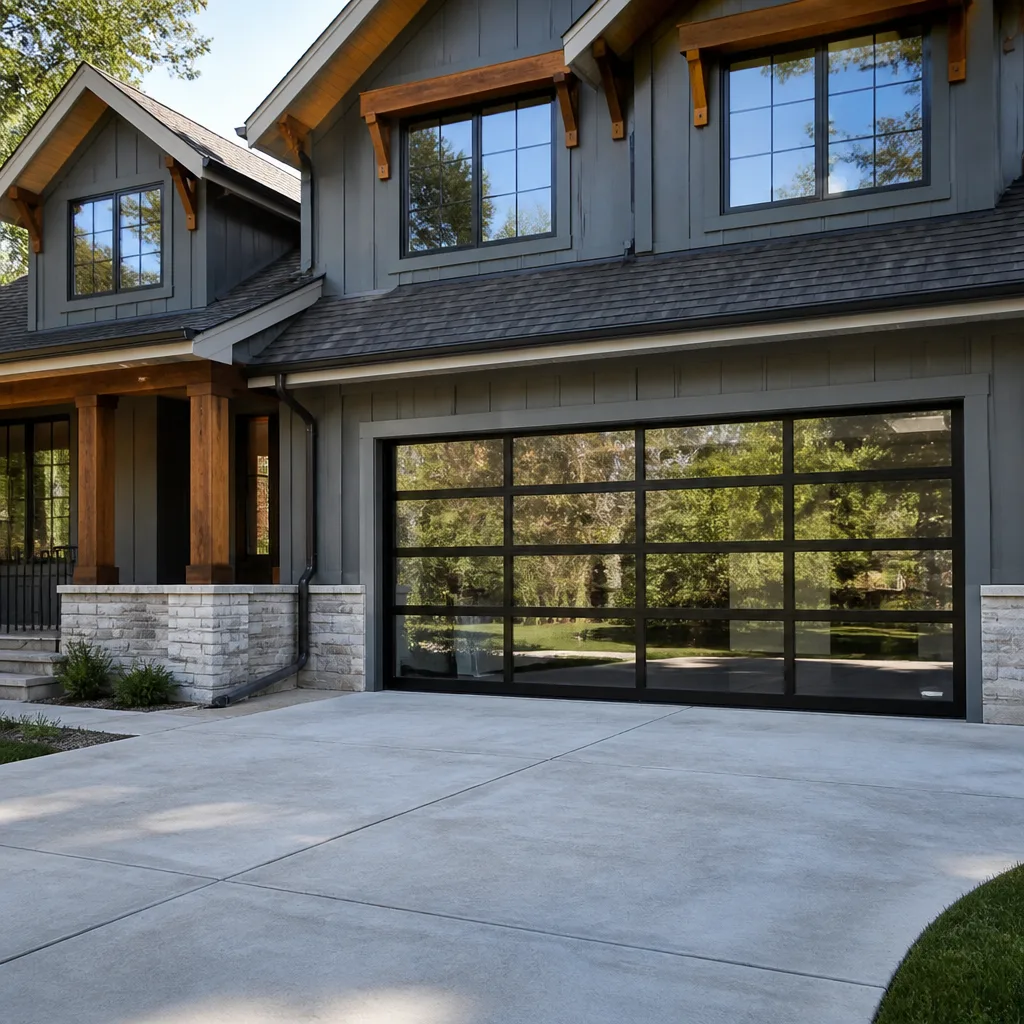 Full-view glass
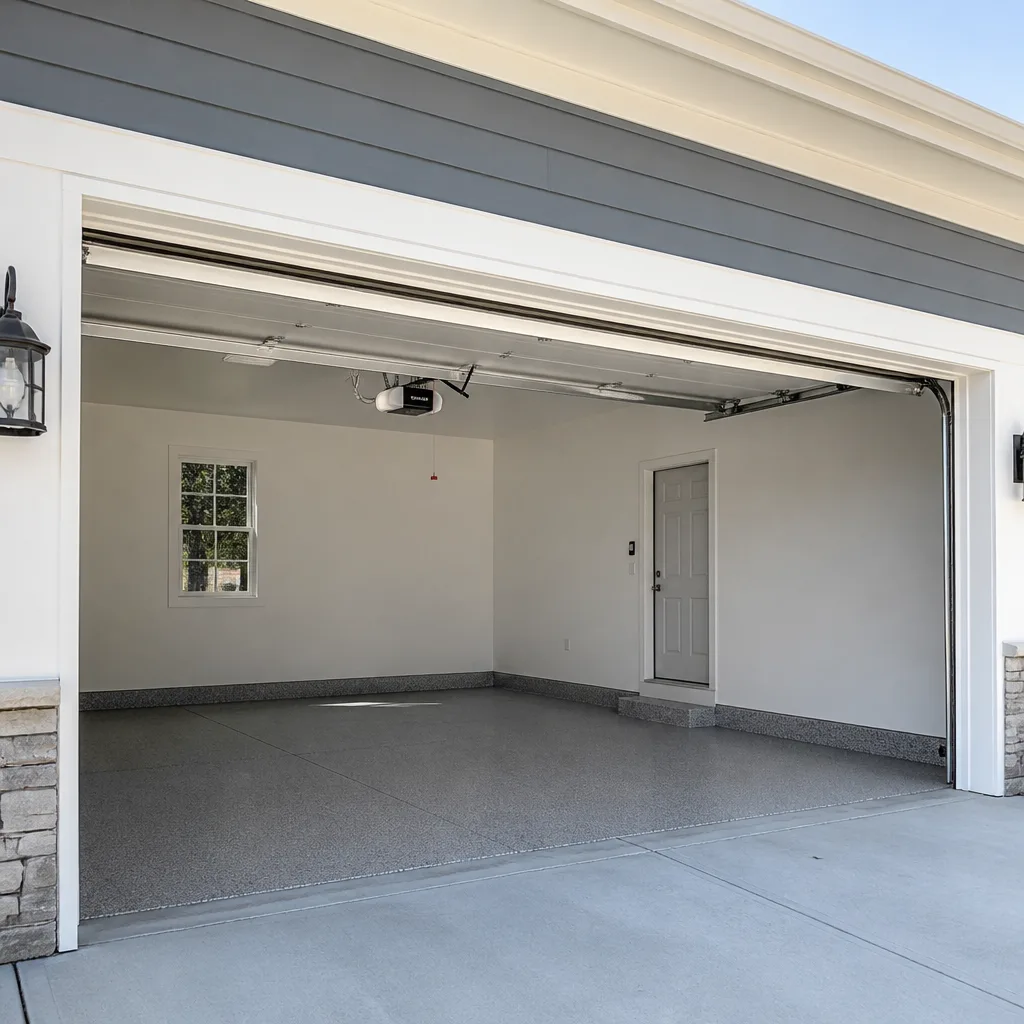 LiftMaster openers
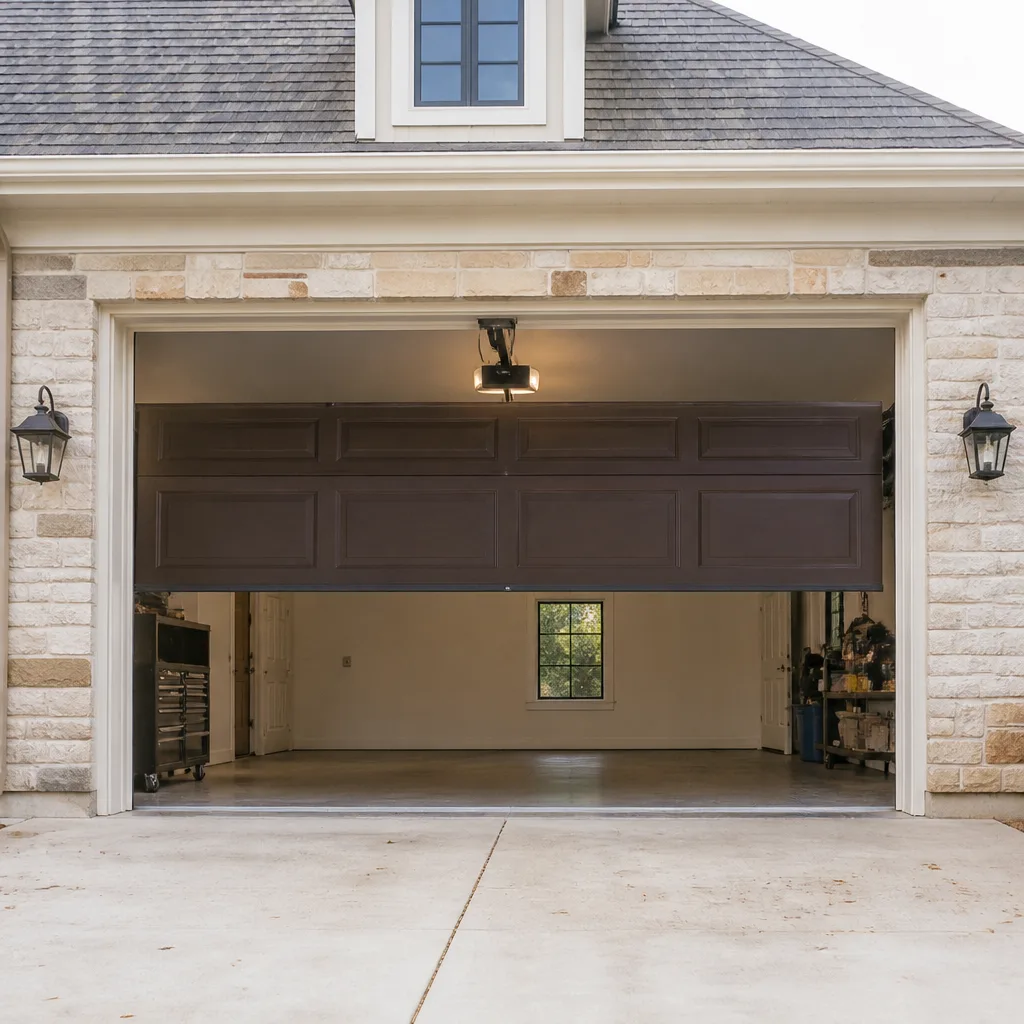 Chamberlain openers
Full 25-point door and opener safety check with every visit - springs, cables, rollers, tracks, and your LiftMaster or Chamberlain opener included
You get a price before we start. It does not change when the pro arrives.
Get your free estimateGarage Door Permits, Codes & Inspections in Fairfield, CA: What You Need to Know
Here’s the part most Fairfield homeowners get wrong: a garage door replacement is sometimes exempt from permitting and sometimes not, and the difference usually comes down to whether the door opening itself changes. A like-for-like swap of the same size door in the same opening typically needs no permit. Widen the opening, swap a single door for a double, reframe the header, or add a new electrical circuit for an opener, and you’ve crossed into work that requires a building permit from the City of Fairfield. This guide walks through exactly where that line sits, what inspectors examine, how Fairfield’s seismic requirements shape the work, and why skipping the paperwork can create problems that surface years later at a home sale or an insurance claim.
Quick Answer
In Fairfield, a garage door replacement generally requires a building permit when the project changes the door opening, alters the structural header above the door, converts a single door to a double, or adds a new electrical circuit for an opener. A straight replacement of the same size door in the existing frame is usually permit-exempt. When in doubt, call the City of Fairfield Building Division before work starts. The cost of a permit is small next to the cost of discovering unpermitted work during an inspection or a claim.
Styles & brands we work with
- Raised-panel steel
- Carriage house
- Modern flush
- Full-view glass
- LiftMaster openers
- Chamberlain openers
Table of Contents
- When does a garage door project need a permit in Fairfield?
- When is a like-for-like replacement permit-exempt?
- How does Fairfield’s seismic zone affect garage door code?
- What happens during a City of Fairfield inspection?
- How does unpermitted work affect insurance and home sales?
- Does adding an opener circuit require an electrical permit?
- Common Mistakes to Avoid
- When to Call a Professional
- Frequently Asked Questions
When does a garage door project need a permit in Fairfield?
A garage door project in Fairfield needs a building permit whenever the work touches the structure of the opening or adds a new electrical circuit. Replacing a door in the existing opening with the same size door is the classic no-permit job. Anything that changes the geometry, the framing, or the electrical system is a different story. The City of Fairfield Building Division handles these permits, and the rules follow the California Residential Code, which most cities in Solano County apply.
The triggers that push a project into permit territory break down like this:
- Changing the door opening size. Widening or heightening the opening means cutting into the wall framing, which affects how the wall carries load. That’s structural work, and structural work needs a permit.
- Converting a single door to a double door. Two single-car doors replaced by one double-car door means a much wider header and new framing on both sides. This is one of the most common permit-required scenarios we see in Fairfield.
- Replacing or modifying the structural header. The header is the beam spanning the top of the garage opening. If it’s undersized, sagging, or being changed out, a permit and usually an inspection are required.
- Adding a new electrical circuit for an opener. If there’s no existing outlet or circuit near the opener location and one needs to be run, that’s electrical work, which typically requires a separate electrical permit.
- Adding an opener to a door that never had one. The mechanical mounting is usually not permit-worthy on its own, but the new circuit almost always is.
None of this is meant to scare anyone off a project. It’s meant to make sure you ask the right question before the work begins, because the answer changes with the scope. A reputable installer will know which side of the line your project falls on and will say so upfront, and then the conversation becomes about getting the right permit if one is needed.
When is a like-for-like replacement permit-exempt?
A like-for-like replacement is generally permit-exempt in Fairfield when the new door matches the old one in width, height, and general type, and when no structural or electrical modifications are made. “Like-for-like” is the key phrase, and it’s where a lot of confusion creeps in. A roll-up door swapped for a sectional door in the same opening usually counts as like-for-like if the opening itself isn’t touched. Same-size panel replacement on an existing sectional door is clearly exempt. Replacing torsion springs, cables, rollers, hinges, or the opener is a repair, not a structural change, and those don’t need a permit.
Where people get tripped up is when the new door is close to but not quite the same size. A homeowner might replace an older 8-foot door with a 9-foot door because the new model they want only comes in that width. That’s a change to the opening, even if it looks minor, and it usually needs a permit. Here’s a rough rule of thumb we use:
- Same door dimension, same opening, same mounting points: no permit.
- Same door dimension, but new opener requiring a new electrical run: building permit may not apply, electrical permit likely does.
- Any change to opening dimensions or the header: building permit required.
- Conversion from single to double door or vice versa: building permit required.
- New structural attachment of the door frame to a wall that didn’t previously hold a door: building permit required.
The permit-exempt path is genuinely the majority of garage door work in Fairfield. Most homeowners are simply swapping a failing door for a new one in the same opening. The key is to be honest about scope. If the installer is going to cut anything, reattach the frame to new studs, or add a circuit, ask about the permit before they start. For a straight garage door repair – new springs, a rebuilt operator, panel patching – permitting doesn’t come into play at all.
How does Fairfield’s seismic zone affect garage door code?
Fairfield sits in a seismically active region, and California’s residential code treats garage door attachments as part of the building’s lateral bracing system. That means the way a garage door frame is anchored into the surrounding wall, and the way an opener’s rails and mounting brackets are braced, matter more here than in parts of the country with no seismic design category. When a new door opening is added or the frame is rebuilt, the code requires the door-to-frame connections and surrounding wall bracing to meet current seismic detailing, not the older standard the house might have been built to.
What does this mean in practice for a Fairfield homeowner?
- The header can’t just be sized for gravity. It has to hold up under lateral sway, which drives how it’s anchored to the adjacent wall.
- The door frame needs proper tie-downs. Bolts, straps, and anchor patterns that meet the current code, not just what was standard when the house was built.
- Opener mounting brackets should be braced correctly. A heavy opener hanging off a lightweight header without proper bracing can weaken the assembly over time, and seismic movement puts stress on the same joints.
- A current permit inspection confirms the tie-down pattern. That’s the practical benefit of pulling the permit: an inspector verifies the anchors were installed to the standard the code calls for.
We’ve seen older Fairfield homes where the original garage door header was nailed in with minimal anchor detail, which was acceptable when built but wouldn’t meet today’s requirements if the opening were rebuilt. A permitted rebuild brings that detail up to current code. That’s the actual reason the seismic requirements exist, and it’s also why an inspector will look closely at the fastening pattern. When the work is done under permit with a trained technician from a focused trade, the code requirements are just part of the job.
What happens during a City of Fairfield inspection?
A City of Fairfield inspection of garage door work is quicker than most homeowners expect, usually 15 to 30 minutes. The inspector is not checking whether the door looks nice or whether the opener is the right brand. They’re verifying that the structural and electrical work matches what the permit application described and meets the code. Knowing what they look at makes the inspection easier to prepare for.
Here’s the typical sequence from permit to inspection:
- Permit application. You or your installer submits the scope of work, often with a drawing of the new opening and header detail, to the City of Fairfield Building Division.
- Plan review. The city reviews the drawing and either approves the permit or requests changes. Simple replacements of a header are usually straightforward.
- Permit issuance. Once approved, the permit is issued and the work can begin.
- Rough-in inspection. For a structural change, the inspector views the header, framing, and tie-downs before the wall is closed up and before the door goes on.
- Final inspection. The inspector checks the installed door, the balancing, the opener mounting, and the completed structural work against the permit.
- Permit closed. Once the final inspection passes, the permit is closed and recorded with the property.
What inspectors actually look at on the structural side: the header size and species, the post-to-header connection, the anchor pattern tying the frame to the wall, and whether the door’s track brackets are anchored to structural framing rather than drywall or sheathing alone. On the electrical side of a new opener circuit, they verify the wiring method, the junction box, and that the circuit is properly grounded and protected. They do not typically test the door’s balance or the opener’s force settings. That’s the installer’s job.
To prepare: have the approved plans on site, make sure the work area is accessible, and have the permit number handy. Confirm the inspection appointment ahead of time. The City of Fairfield Building Division schedules inspections, and the process is faster when the installer has everything ready the first time.
How does unpermitted work affect insurance and home sales?
Unpermitted garage door work can create real problems at two moments: when you file an insurance claim, and when you sell the house. Neither is a good time to discover the paperwork isn’t in order. California law requires sellers to disclose known material defects and any work done without the required permits. That disclosure obligation is broad, and a title or escrow issue tied to unpermitted structural work can stall or unwind a sale.
On the insurance side, the concern is less about the garage door itself and more about the structural and electrical work surrounding it. If a claim involves water intrusion around the door opening, a fire originating in the opener circuit, or damage from a door failure, an adjuster will ask whether the work was permitted. An unpermitted structural change is one more point of friction in a claim review. It doesn’t automatically deny a claim, but it complicates it, and depending on the policy language, it can affect what gets covered.
On the real estate side, the mechanics look like this:
- Home inspectors flag unpermitted work. Most inspectors call out a garage door header, framing, or electrical run that doesn’t appear to have been permitted.
- Buyers ask for proof of permit. The city’s permit records are public, and buyers or their agents can look them up.
- Escrow can be delayed. A buyer may require the permit be pulled retroactively or the work remediated, either of which can take weeks.
- Disclosure is required. Under California law, a seller has to disclose unpermitted work they know about, and failure to disclose can lead to disputes after the sale closes.
- Retroactive permitting is possible but rarely cheap. The city can sometimes permit work already done, but the process typically involves opening up walls so the inspector can see the structure, which adds cost.
None of this is meant to imply the sky is falling. Most garage door work is genuinely exempt. The point is that when a permit is required, skipping it trades a small upfront cost for a much larger and less predictable cost later. A permit and a closed inspection are cheap insurance on the structural and electrical parts of the job.
Does adding an opener circuit require an electrical permit?
Yes, adding a new electrical circuit for a garage door opener generally requires an electrical permit in Fairfield. If there’s already a working outlet or dedicated circuit near the opener location, reusing it during a replacement is usually fine and doesn’t need a permit. The permit trigger is a new circuit, meaning new romex or conduit run back to the panel, a new breaker, or an outlet added where none existed before. That’s electrical work, and the California code treats it as such.
The distinction matters because many homeowners ask us for a new opener without realizing an electrician is also part of the job. A garage door opener repair on an existing circuit never requires an electrical permit. A new opener installation is different when there’s no circuit to plug into. The practical breakdown looks like this:
- Same opener location, existing circuit, same voltage: no electrical permit. The opener swaps in directly.
- New opener, new circuit from the panel: electrical permit required.
- Adding a standby battery or Wi-Fi module: no permit, since it’s a low-voltage addition.
- Replacing an older LiftMaster or Craftsman unit with a modern brand-compatible model: usually no electrical permit if the circuit is reused.
- Converting a manual door to an opener: building permit may not apply, but electrical permit likely does for a new circuit.
If the opener you want is a newer model like a current LiftMaster or Raynor with a battery backup, it can plug into an existing outlet just fine. The permit question only comes up when the power actually has to be extended. When that’s the case, the safest path is to have the electrical run permitted and inspected, so the wiring is documented when the home is sold.
Common Mistakes to Avoid
- Assuming all garage door replacements need a permit. They don’t. Same-size replacement in the same opening is typically exempt, and pulling a permit unnecessarily just adds cost and time. Ask about the specific scope before assuming.
- Assuming no replacement ever needs a permit. The opposite mistake. Widening the opening, changing to a double door, or reframing the header is structural and requires a permit in Fairfield.
- Not pulling an electrical permit for a new opener circuit. This is one of the most commonly overlooked permits. A new run to the panel is electrical work, and skipping the permit leaves a gap in the record that shows up at inspection or resale.
- Trusting a contractor who says “we never pull permits for doors.” That statement is sometimes true and sometimes a red flag. The correct answer depends on the job. A contractor who can’t tell you which side of the line you’re on is one to be cautious about.
- Letting the installer close up the wall before the rough-in inspection. When a structural change is permitted, the inspector needs to see the header and framing before drywall goes back on. Closing it up too soon means opening it back up.
- Ignoring the seismic detailing on older Fairfield homes. If the original garage framing was built by an older standard, a permitted rebuild should bring it up to current seismic code. It’s tempting to reuse the existing header anchors and call it done. The permit inspection is there to catch that.
- Assuming an inspection will slow the project by weeks. Fairfield’s inspection process for straightforward door work usually schedules within days once the work is ready. The project timeline is mostly driven by material lead times, not the inspection.
When to Call a Professional
Some garage door work is DIY-friendly in the sense that a homeowner can swap a light bulb in the opener or reset a remote. Most garage door work should not be attempted without training. The two categories where a professional is non-negotiable: anything that involves the torsion springs or cables (which are under high tension and can cause serious injury if handled incorrectly), and anything involving the structural or electrical parts of the job, which in Fairfield means permitted work. A door that suddenly reverses, a spring that snaps, an opener that grinds, a door that comes off its track: all of those are jobs for a trained technician.
On the permit side specifically, this is where a focused trade pays for itself. Fidelity Garage Door Service offers free estimates in Fairfield and can tell you upfront whether your project needs a permit, what the scope looks like under the California Residential Code, and what the inspection process will require. Our technicians have up to 13 years of experience and work across every major brand, including Wayne Dalton, Craftsman, Raynor, and LiftMaster. Call (844) 467-2146 for a free estimate.
Frequently Asked Questions
You need a permit in Fairfield if the replacement changes the door opening size, alters the structural header, converts a single door to a double, or adds a new electrical circuit for an opener. A straight like-for-like replacement in the same opening is usually exempt. Call the City of Fairfield Building Division if you’re unsure about your specific job, and call (844) 467-2146 for a free estimate on the work itself.
Permit fees in Fairfield are set by the City of Fairfield Building Division and depend on the scope. Simple residential permits for a door header or electrical circuit typically fall into the lower end of the city’s fee schedule, while projects that combine structural and electrical work cost more. The best way to get the exact number is to call the Building Division with your scope. For the installation or repair estimate, call (844) 467-2146; estimates are free.
No, inspectors typically check the structural tie-downs, header, and electrical wiring, not the door’s operational balance or the opener’s force adjustments. Those are the installer’s responsibility. If your door is out of balance or the opener is reversing unexpectedly, that’s a service call, not a permit issue. Call (844) 467-2146 to schedule a diagnosis.
You can sell a house with unpermitted garage door work, but California law requires you to disclose known unpermitted work, and a buyer’s inspector may flag it. A title or escrow issue can delay the sale, and retroactive permitting can be costly. The safer approach is to permit the work when it’s required, before the sale. Call (844) 467-2146 if you need to know whether work already done on your Fairfield home was permit-required.
Adding a new electrical circuit for an opener generally requires an electrical permit in Fairfield. Reusing an existing circuit to swap in a new opener (say, replacing a Craftsman with a LiftMaster) usually does not. If the outlet and circuit already exist, it’s a like-for-like swap. If a new run to the panel is needed, the electrical permit applies. Call (844) 467-2146 and we’ll help you figure out which situation you’re in.
Most inspections take 15 to 30 minutes on site, once the work is ready. The full timeline from permit application to final inspection depends on plan review and scheduling with the City of Fairfield Building Division. Structural rough-ins need to be seen before the wall is closed, so the installer plans around the inspection window. Call (844) 467-2146 to talk through the timing for your project.
The Bottom Line
Most garage door replacements in Fairfield don’t need a permit. The ones that do are the ones that change the opening, alter the structural header, convert single to double, or add a new electrical circuit for an opener. Fairfield’s seismic setting means the structural detailing on a permitted rebuild needs to meet current code, and the inspection confirms that the tie-downs and header are right. Skipping a required permit is a small savings that can turn into a resale or insurance problem years later. Get the scope right, permit what needs permitting, and let a focused trade handle the work and the paperwork. For installation, repair, or a permit question about your specific door, call Fidelity Garage Door Service at (844) 467-2146. Estimates are free, we give you a written price before any work starts, and we work with every major brand. We answer 24/7, with fast dispatch from 7am to 7pm, Sunday through Friday. If you’d like to read more first, start with an overview of Fidelity Garage Door Service and our work in Fairfield.
Written by the team at Fidelity Garage Door Service.
See the difference
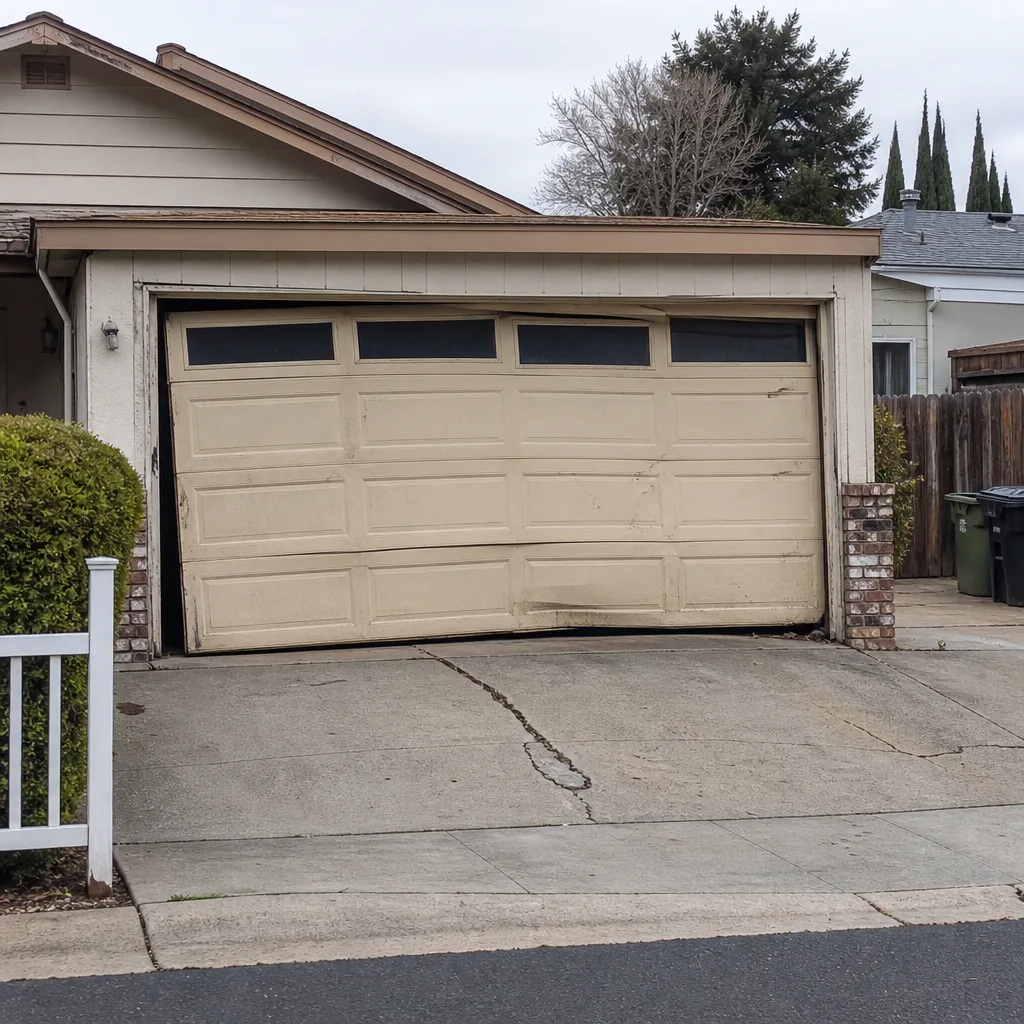 Before
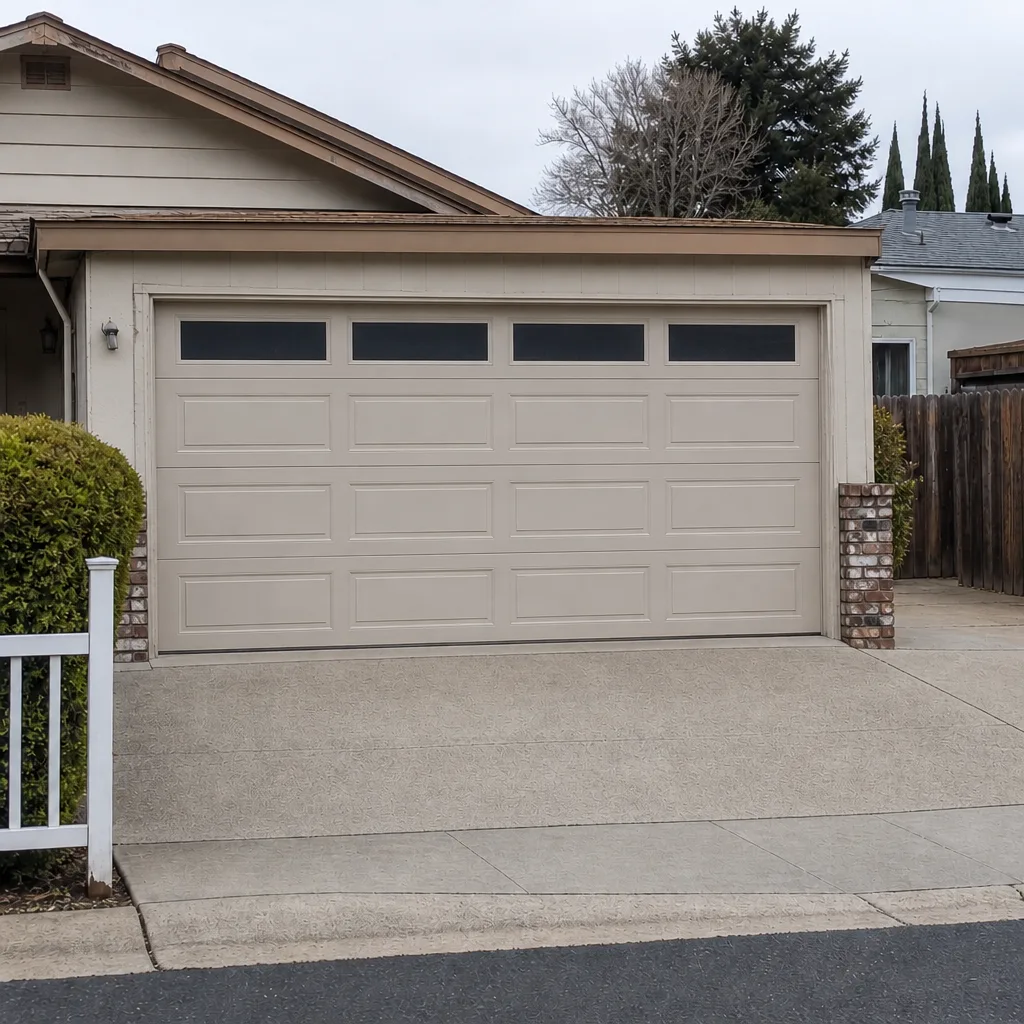 After
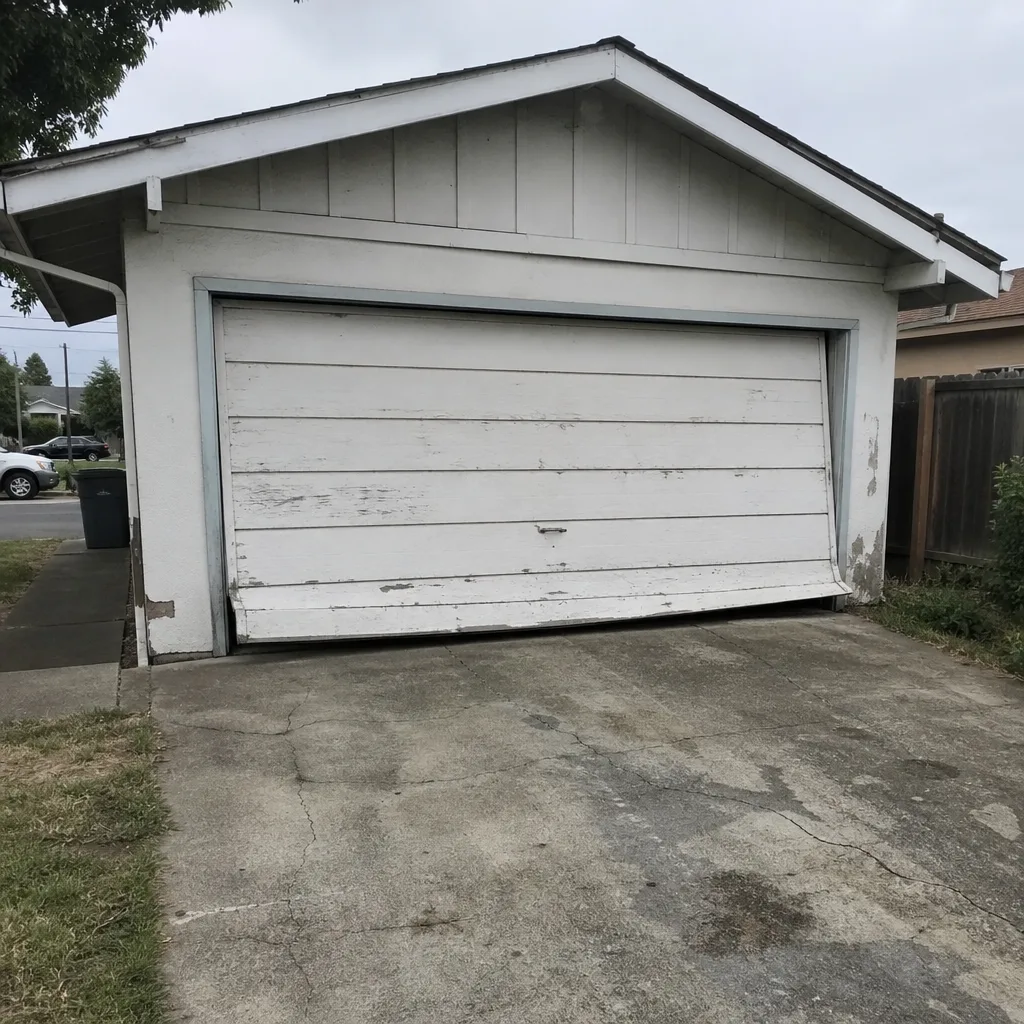 Before
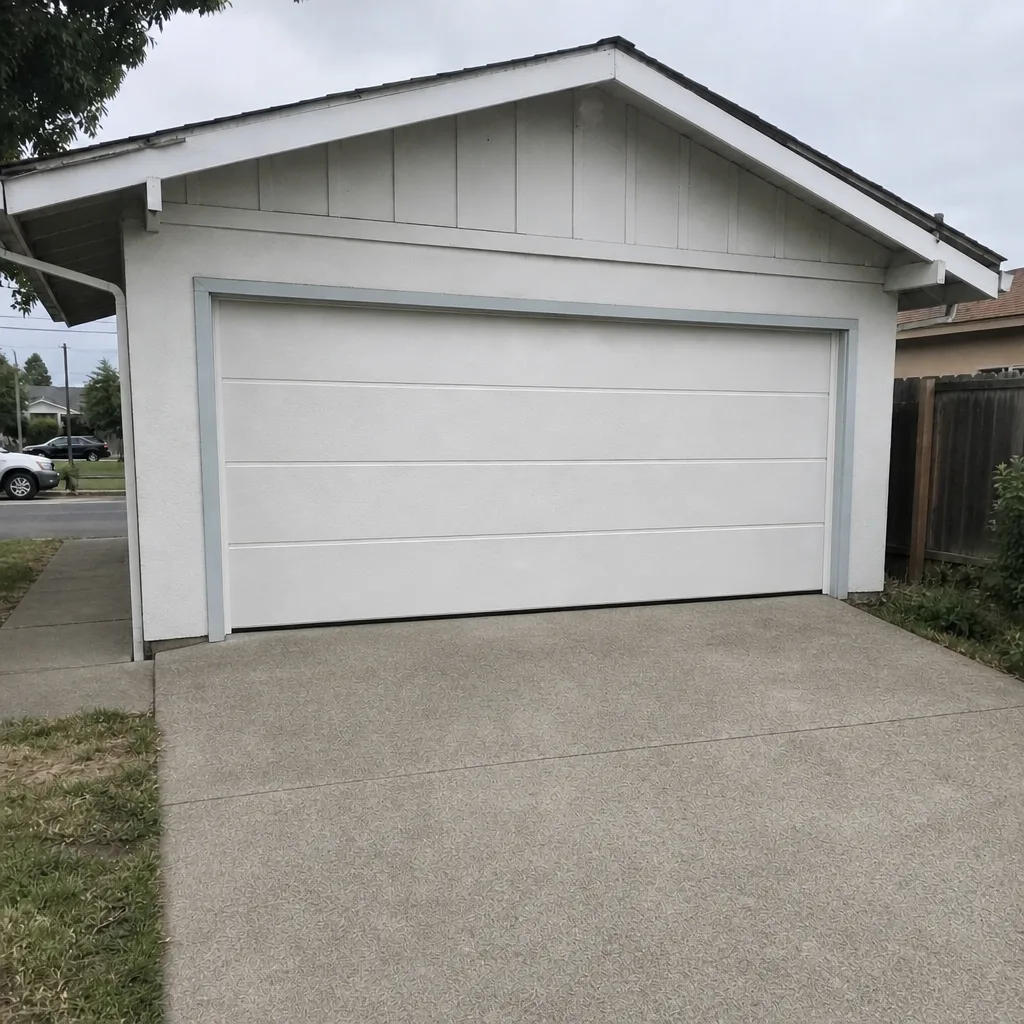 After
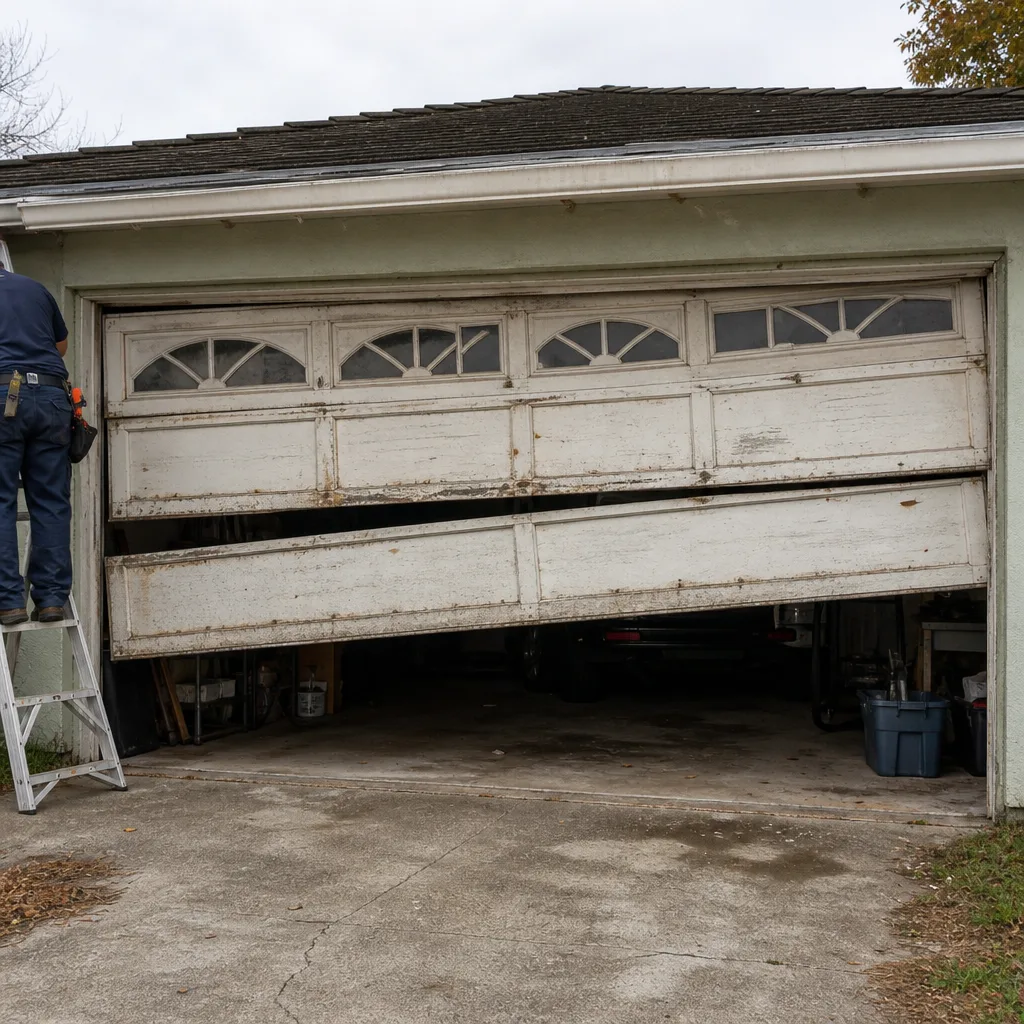 Before
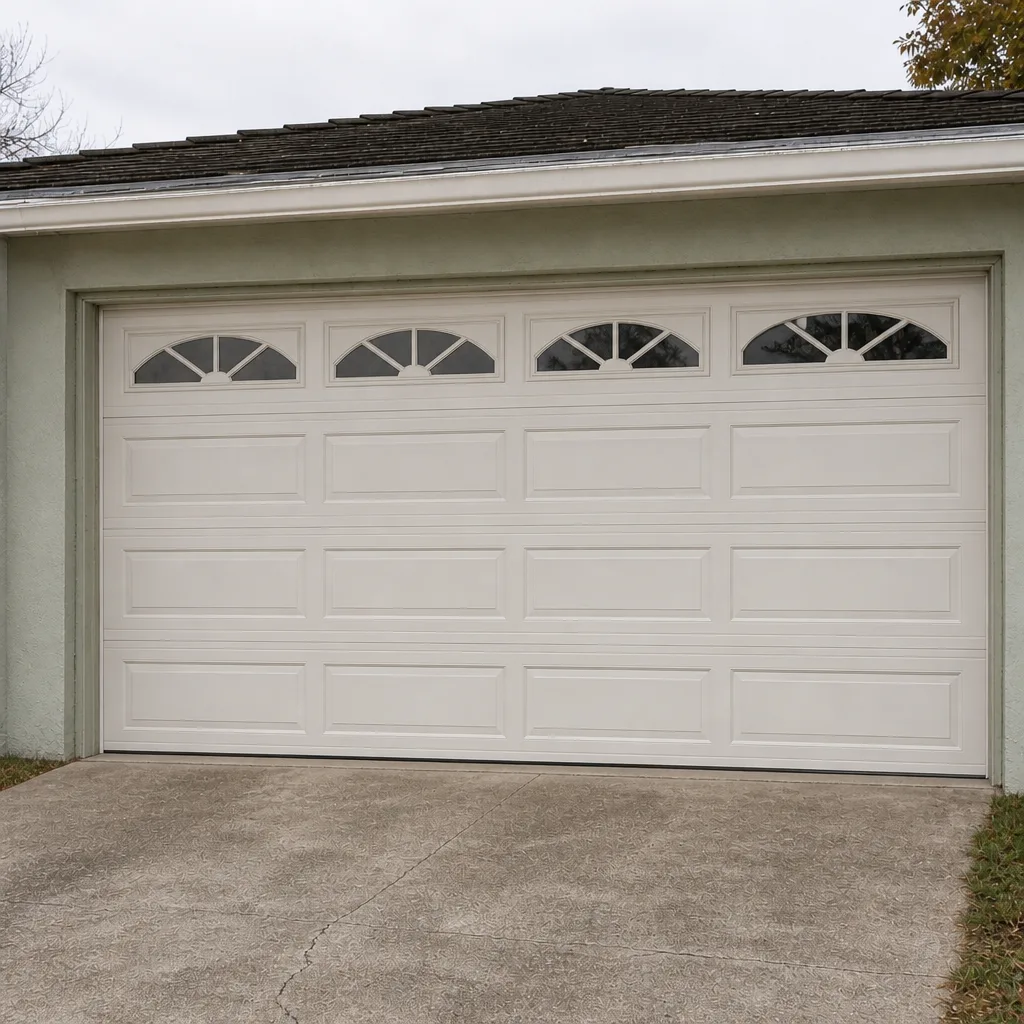 After