
Last updated November 15, 2026
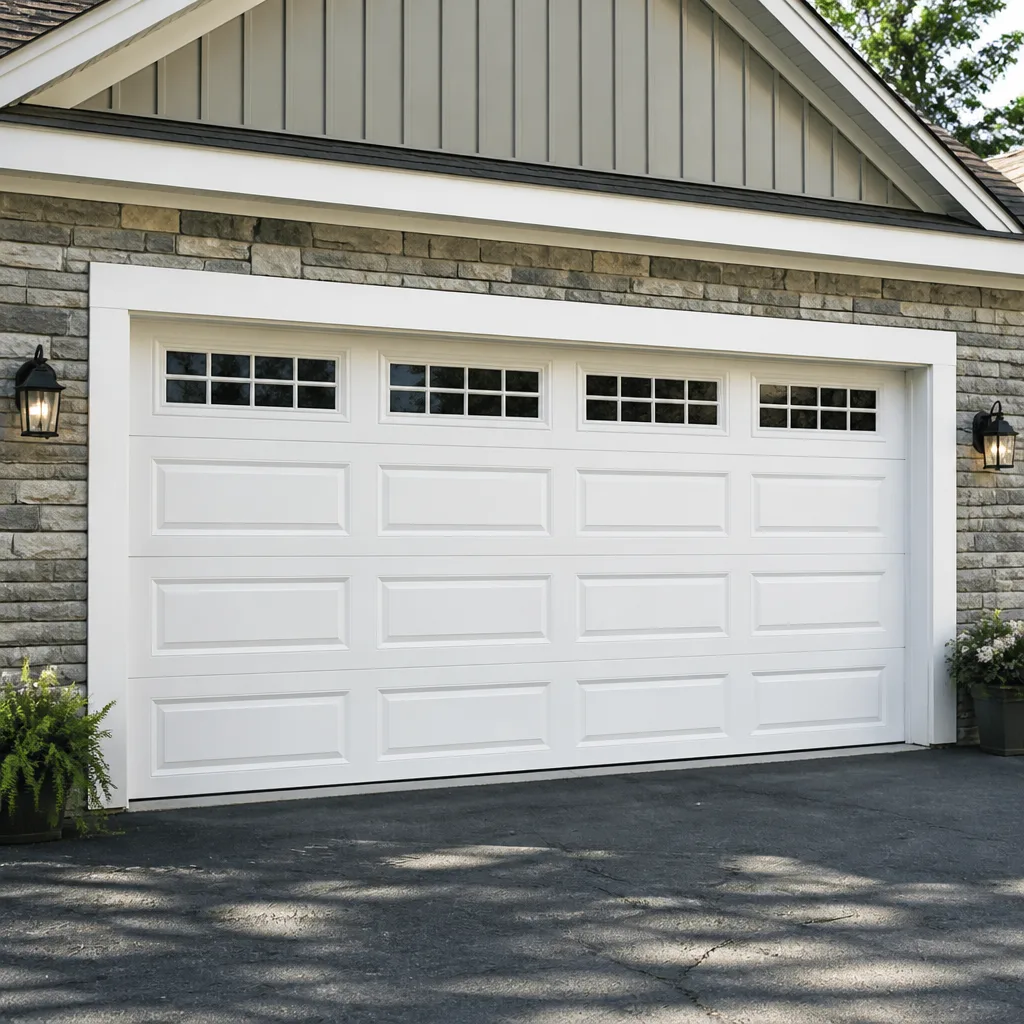 Raised-panel steel
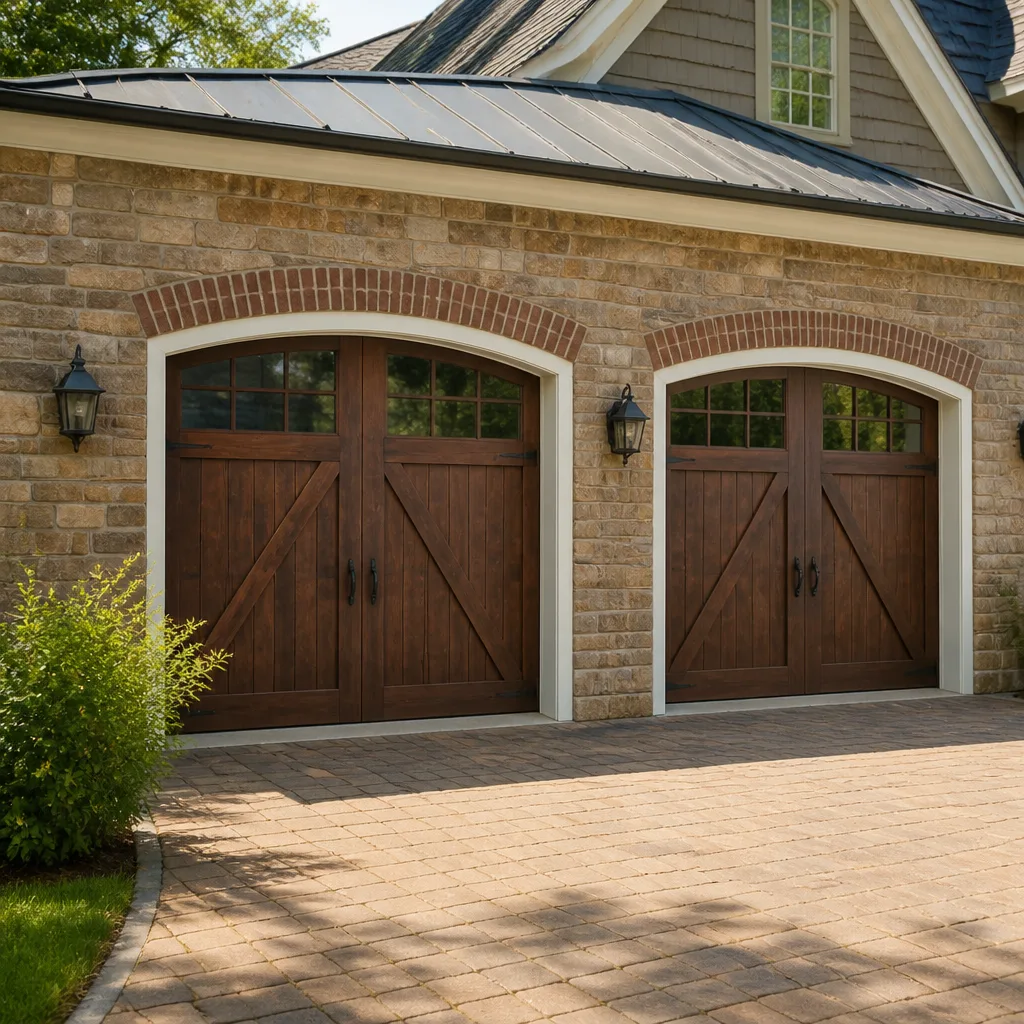 Carriage house
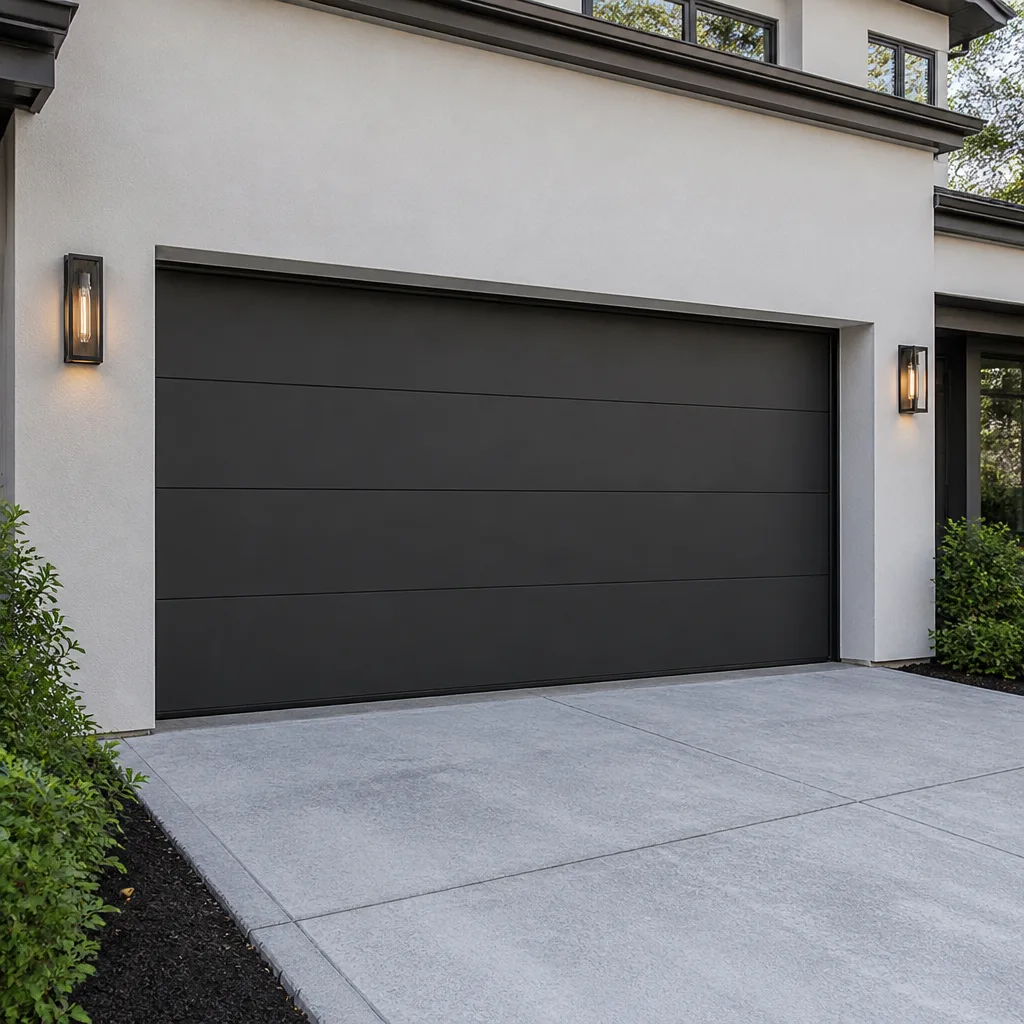 Modern flush
 Full-view glass
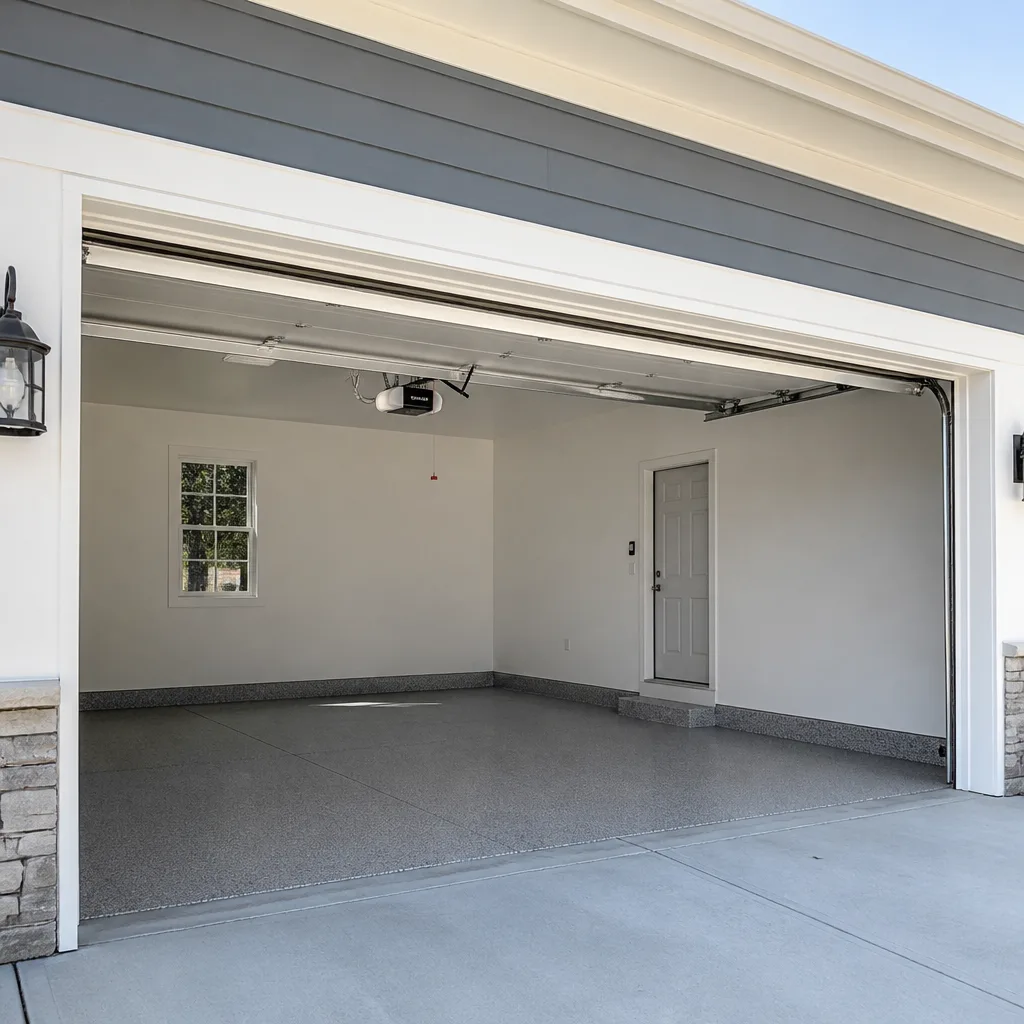 LiftMaster openers
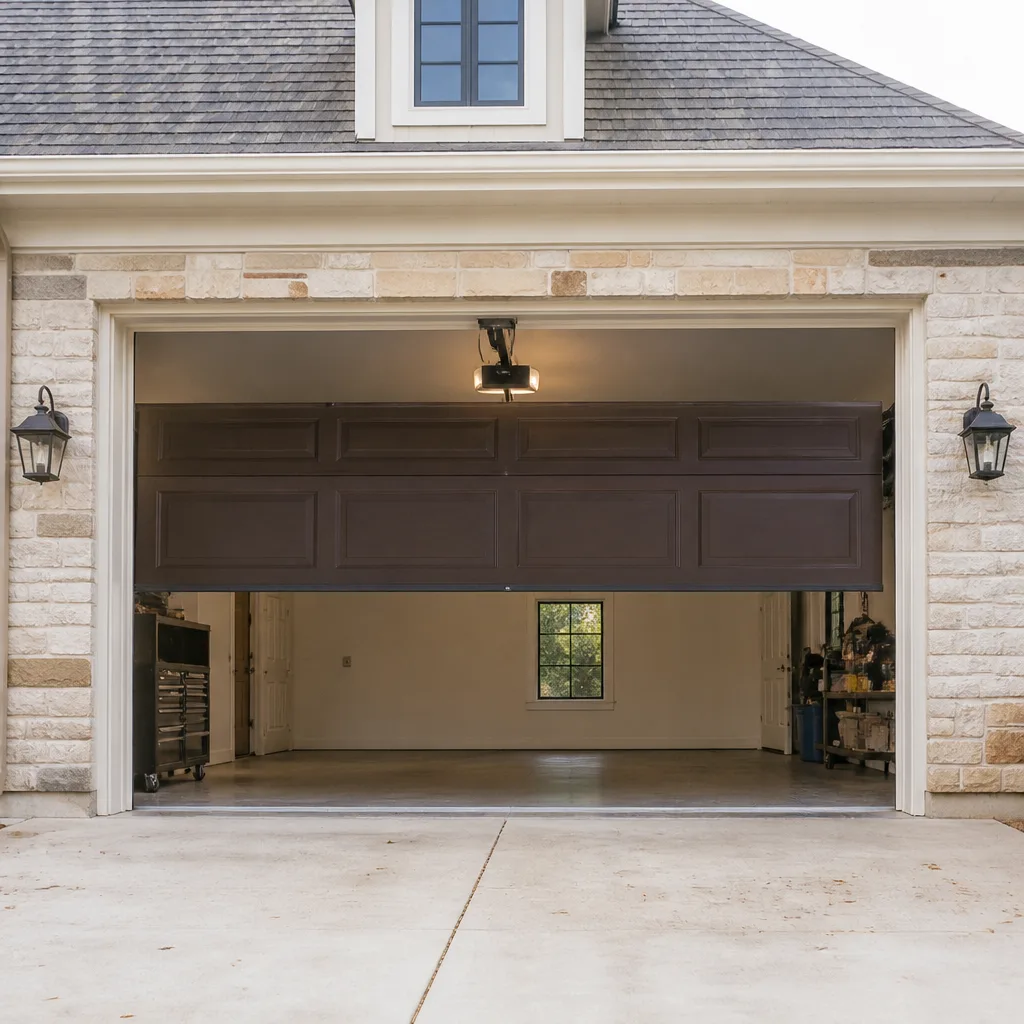 Chamberlain openers
Full 25-point door and opener safety check with every visit - springs, cables, rollers, tracks, and your LiftMaster or Chamberlain opener included
You get a price before we start. It does not change when the pro arrives.
Get your free estimateGarage Door Repair Maintenance Checklist for Fairfield Homeowners
Garage door manufacturers publish maintenance intervals based on controlled lab conditions. In Fairfield, where summer temperatures climb past 105°F and dust from the surrounding farmland settles into every moving part, those intervals run optimistic. Heat cycling stiffens lubricant faster than a printed schedule assumes. Grit works its way into rollers and tracks weeks before a calendar reminder fires. This checklist is built around how garage door systems actually fail in Fairfield, not around a manufacturer’s calendar. You’ll learn what to check yourself, what to leave alone, how often each component really needs attention here, and where the line sits between homeowner inspection and a trained technician.
Quick Answer
A useful garage door maintenance checklist for Fairfield covers four things: lubrication timed to the summer heat (not a generic twice-a-year schedule), weatherstripping inspection for wind and dust damage, safe visual checks of cables and drums, and a battery backup test on your opener. Springs, cables under tension, and any adjustment of the torsion system belong to a trained technician. Everything else on this list you can handle yourself in about twenty minutes a month, with a longer pass each season.
Styles & brands we work with
- Raised-panel steel
- Carriage house
- Modern flush
- Full-view glass
- LiftMaster openers
- Chamberlain openers
Table of Contents
- Why standard maintenance schedules don’t fit Fairfield
- The lubrication schedule Fairfield heat actually requires
- Inspecting weatherstripping for wind and dust damage
- Cables and drums: what you can check and what you can’t
- Cleaning tracks and rollers without damaging them
- The battery backup protocol most homeowners skip
- Springs: the one component you never touch
- A season-by-season maintenance calendar for Fairfield
Why Standard Maintenance Schedules Don’t Fit Fairfield
Most garage door maintenance advice assumes a mild, stable climate. Fairfield doesn’t offer one. Summer afternoons push past 105°F, then swing back into the fifties overnight during spring and fall. That daily expansion and contraction works on every metal component in the system, from the torsion bar to the track brackets. Lubricant that stays where you put it in a cool garage thins and migrates in a hot one. Rollers that spin freely in a moderate climate start to drag once grit from the surrounding agricultural flatlands mixes with old grease.
In our experience, that combination shortens the effective life of a standard maintenance cycle by roughly a third. A manufacturer who tells you to lubricate twice a year is picturing a garage that never gets above eighty degrees and never sees a dust storm. Your garage in Fairfield sees both. The practical translation: shorten the interval, inspect more often than the manual suggests, and pay attention to the components that are most sensitive to heat and grit rather than the ones that happen to be easiest to reach.
Two local conditions drive almost every premature failure we see:
- Temperature cycling. Metal parts expand and contract daily through the warm months. Bearings, hinges, and springs all feel it. Lubricant has to keep up, or friction does the damage instead.
- Airborne dust. Fields and open land around Fairfield send fine grit into garages on the prevailing wind. That grit settles on tracks, mixes with lubricant, and turns into an abrasive paste that wears rollers and bearing plates.
Once you understand those two forces, the checklist below stops looking like a generic list and starts looking like a plan built for this specific place. That’s the difference between maintenance that prevents failures and maintenance that just fills a calendar.
The Lubrication Schedule Fairfield Heat Actually Requires
For most Fairfield garages, lubricating the torsion spring bearings, hinges, and rollers every two to three months through the hot season is more realistic than the standard six-month interval. Heat thins lubricant and speeds its evaporation, so a product applied in April may be gone by July. If your garage faces the afternoon sun or sits uninsulated, treat the tighter end of that range as the norm.
What to lubricate and with what:
- Hinges and roller stems: a lithium-based or silicone garage door lubricant applied directly to the pivot points. Two or three drops per hinge is plenty.
- Torsion spring bearings: a light coat on the bearing plates at each end of the shaft. These run hot in summer, and a dry bearing is a noisy one that fails early.
- Track rollers: a small amount on the stem, not on the track surface itself. Greasing the track attracts grit and makes things worse.
- Lock mechanism (if you have a manual lock): graphite, not oil, so it doesn’t gum up with dust.
Avoid heavy grease. In Fairfield’s dust, thick grease is a grit magnet. It catches the airborne particles that would otherwise pass through, holds them against moving parts, and turns into an abrasive compound that wears surfaces faster than no lubricant at all. Light oil and silicone-based products do the job and let dust pass through rather than trapping it.
Listen as you lubricate. A door that squeals at one hinge or groans at the torsion bar is telling you where the friction is. Chase the noise, not just the calendar. If a noise returns within a few weeks of lubricating, that’s a sign of a worn part underneath, not a lubrication problem, and it’s worth a closer look.
Inspecting Weatherstripping for Wind and Dust Damage
Weatherstripping around the door’s perimeter and along the bottom threshold takes constant punishment in Fairfield. Delta wind pushes through the gap under the bottom seal and works at the edges. UV exposure cracks the rubber. Dust lodges in the creases and speeds the breakdown. The challenge is telling cosmetic wear apart from a seal that has actually stopped sealing.
Here’s the test that separates the two:
- Look for daylight. Close the door and stand inside your garage with the lights off. Any visible light along the bottom or sides means the seal has failed, regardless of how the rubber looks.
- Check the bottom seal’s contact. The rubber flap should compress flat against the floor across the full width. A flap that curls, gaps, or lies slack has lost its tension.
- Feel for drafts. On a windy afternoon, run your hand along the inside edges of the closed door. A noticeable draft means outside air, dust, and insects are getting in.
- Inspect the jamb seals. The side seals that run up the door frame should sit flush against the door face. Splits and cracks at the bends are structural failures, not cosmetic ones.
Surface cracking on the rubber is often cosmetic. It looks bad, but if the seal still blocks light and draft, it’s doing its job. The failures that matter are the ones you can measure by daylight or draft. A bottom seal that has lost contact lets in exactly the kind of fine grit that then gets ground into your tracks and rollers, so a seal failure is also a lubrication and wear problem in disguise. Bottom seals and jamb seals are inexpensive parts and a straightforward replacement, which makes them one of the best value items on this entire checklist.
Cables and Drums: What You Can Check and What You Can’t
We’d rather be direct about this than hedge: a homeowner can safely look at cables and drums, but nobody should touch them. The cables on a torsion or extension system carry the full weight of the door, and the drums wrap that stored energy into a tight package. This is the most dangerous part of any garage door. A cable can snap with enough force to cause serious injury, and a drum that lets go is worse.
What you can check safely, with your eyes only, from a distance:
- Fraying at the drums. Look at where the cable winds onto the drum. Any visible broken strands, kinks, or a frayed profile means the cable needs professional replacement. Don’t let it run.
- Cable sag on the door’s sides. Cables should sit taut and parallel. A cable hanging loose or off its track is a failure in progress.
- Drum alignment. Each drum should sit square at the end of the torsion shaft. Visible wobble or a cable that looks like it’s winding unevenly is a call-us-now item.
- Cable wear along the length. Rust, flat spots, and abrasion marks along a cable’s run are signs it’s near the end of its service life.
What requires a technician, with no ambiguity:
- Any adjustment, tightening, or replacement of a cable
- Any contact with the drums
- Any work on the torsion shaft, springs, or the winding cones at the ends
- Any attempt to straighten a door that has come off track while the cable is under tension
If you see anything worrying at the cable or drum level, stop using the door and keep it closed. Then call for professional help. This is one area where “wait and see” is genuinely the wrong decision. Prompt garage door repair on a failing cable is a routine job; a snapped cable under load is a safety hazard and a much bigger repair.
Cleaning Tracks and Rollers Without Damaging Them
Dust is the quiet enemy of every track system in Fairfield. Collected grit wears the track’s galvanized coating, then the exposed metal starts to rust, then the rollers start to chatter and bind. The fix is regular cleaning, but the wrong cleaning method will do more harm than the dust ever did. Harsh chemicals and abrasive pads will strip the galvanized layer right off and leave you with bare steel that rusts in a season.
The safe routine:
- Wipe, don’t scrub. Use a damp cloth or a soft brush to lift grit out of the vertical and horizontal track channels. A nylon-bristle brush is fine; steel wool and scouring pads are not.
- Reach the corners. Dust builds up where the vertical track curves into the horizontal one. That’s where binding starts. Get in there with a rag or a vacuum crevice tool.
- Use a mild cleaner only. Water with a little dish soap is enough for anything sticky. Avoid degreasers and solvents that attack the galvanized coating.
- Dry the track after cleaning. Moisture plus dust is the recipe for surface rust. A dry pass with a clean cloth takes seconds.
- Check the rollers while you’re in there. Spin each roller. It should move freely and quietly. A roller that grinds, wobbles, or rattles is due for replacement.
The track itself should never need lubricant on its running surface. Keep the rollers lightly lubricated at the stem, keep the track dry and clean, and the system stays smooth. One more check while you’re near the track: the brackets that attach it to the door frame and wall should be tight and straight. Loose brackets let the track shift, and a shifted track causes the door to bind and wear against one side. If any bracket is bent or pulling out of its mounting, that’s a sign the door’s alignment has changed, and worth a professional look.
The Battery Backup Protocol Most Homeowners Skip
If you have a battery backup opener, testing it is the single highest-consequence item on this list, and it’s the one we see skipped most often. Fairfield’s PG&E outages are frequent enough that battery backup isn’t a luxury. It’s the difference between a door you can open and a car you can’t move. A backup battery that has never been tested is not a backup battery; it’s a battery-shaped object that may or may not work when you need it.
The test takes about five minutes:
- Disconnect the opener from the power supply. Unplug it at the ceiling outlet, not the wall.
- Press the wall button. The door should open and close normally on battery power, with a slower, heavier motion.
- Listen for the opener’s alert. Most battery backup openers (including many LiftMaster and Chamberlain models) have an audible low-battery warning. If you hear it, replace the battery.
- Reconnect power and let it recharge. Plug the opener back in and give it a few hours to top off.
Check the battery’s age. Most backup batteries last somewhere in the range of a few years, and heat is what kills them early. In a Fairfield garage that hits 105°F in summer, a battery that would normally last several years may give you noticeably less. If your battery is more than a couple of years old and you’ve never tested it, test it this month. If the opener is one of the units where the battery is user-replaceable, this is a five-minute swap and a genuine upgrade to the garage’s reliability.
If your opener is a brand we encounter often, like a Genie or Chamberlain, the battery check is straightforward. If the opener won’t hold a charge or the backup feature has stopped working entirely, that’s a repair issue for garage door opener repair rather than a maintenance item.
Springs: The One Component You Never Touch
Torsion springs are under extreme tension at all times, and adjusting or replacing one is one of the most dangerous tasks in residential construction. A spring that releases unexpectedly can cause severe injury or worse. This is not a component where a confident homeowner with a wrench should try to help. There is no safe way to inspect a torsion spring beyond looking at it from a distance and listening to it.
What to watch for from a safe distance:
- A gap in the coil. If the spring looks like it has a clean break somewhere along its length, it has failed. The door will feel extremely heavy, which is the tell.
- Excessive noise. A grinding or clunking sound as the door operates is a sign of trouble, especially if it wasn’t there before.
- A door that won’t lift evenly. If the door feels dead on one side or won’t open more than a few inches, stop. Don’t force it. That’s usually a spring failure, and forcing the door risks dropping it.
When a spring breaks, the correct move is to leave the door closed and call for professional repair. This is exactly why our Fairfield service focuses on garage doors only. We’ve seen the failure modes on these systems hundreds of times, and a spring repair done wrong isn’t just ineffective, it’s genuinely unsafe.
A Season-by-Season Maintenance Calendar for Fairfield
Here’s a calendar you can actually follow, organized around when the conditions in Fairfield do the most damage:
Spring (March through May):
- Full lubrication pass: hinges, rollers, torsion bearings
- Weatherstripping inspection with the daylight test
- Battery backup test
- Track clean after winter grit buildup
Summer (June through September):
- Lubrication every 2-3 months, with extra attention to the torsion bearings
- Recheck the bottom seal for UV cracking
- Watch for slow or noisy operation, which the heat accelerates
- Battery backup re-test if the summer has been brutal
Fall (October through November):
- Full lubrication pass, timed before the temperature swings start
- Track and roller inspection; replace any grinding rollers
- Weatherstripping recheck before wind season
- Cable and drum visual inspection
Winter (December through February):
- Light lubrication as needed
- Battery test before storm season
- Operation check after any cold snap
- Listen for new noises; winter is when bearing wear starts to show
Adjust the summer schedule if your garage gets direct afternoon sun. The heat is the variable, and a garage that bakes all day needs more frequent attention than a shaded one. That’s the point of a local calendar: it bends around what’s actually happening in your garage, not a generic schedule written for a different climate.
Common Mistakes to Avoid
- Using WD-40 as a garage door lubricant. It’s a water displacer, not a lubricant. It thins, evaporates, and leaves the moving parts drier than before. Use a proper garage door lubricant.
- Greasing the track surface. This feels intuitive and it’s the opposite of what the track needs. Grease catches every bit of Fairfield’s airborne dust, and the result is a gritty paste that wears the rollers fast.
- Skipping the battery backup test. Outages in Fairfield make it the highest-consequence item on the checklist, and it’s the one that gets skipped most. A backup battery you’ve never tested is a guess, not a backup.
- Ignoring a frayed cable. Cables are under continuous tension. A visible broken strand is a warning that must not be ignored, and a snapped cable is a serious hazard.
- DIY spring work. This is the big one. Torsion springs are under far more tension than most homeowners realize. Leave them to a trained technician, every time.
- Pressure-washing the door or track. High-pressure water drives grit into the seams and strips the galvanized coating. Wipe down with a damp cloth instead.
- Waiting for failure instead of scheduling maintenance. Every item on this list is cheaper to maintain than to repair after a failure. Periodic attention is what keeps a garage door reliable.
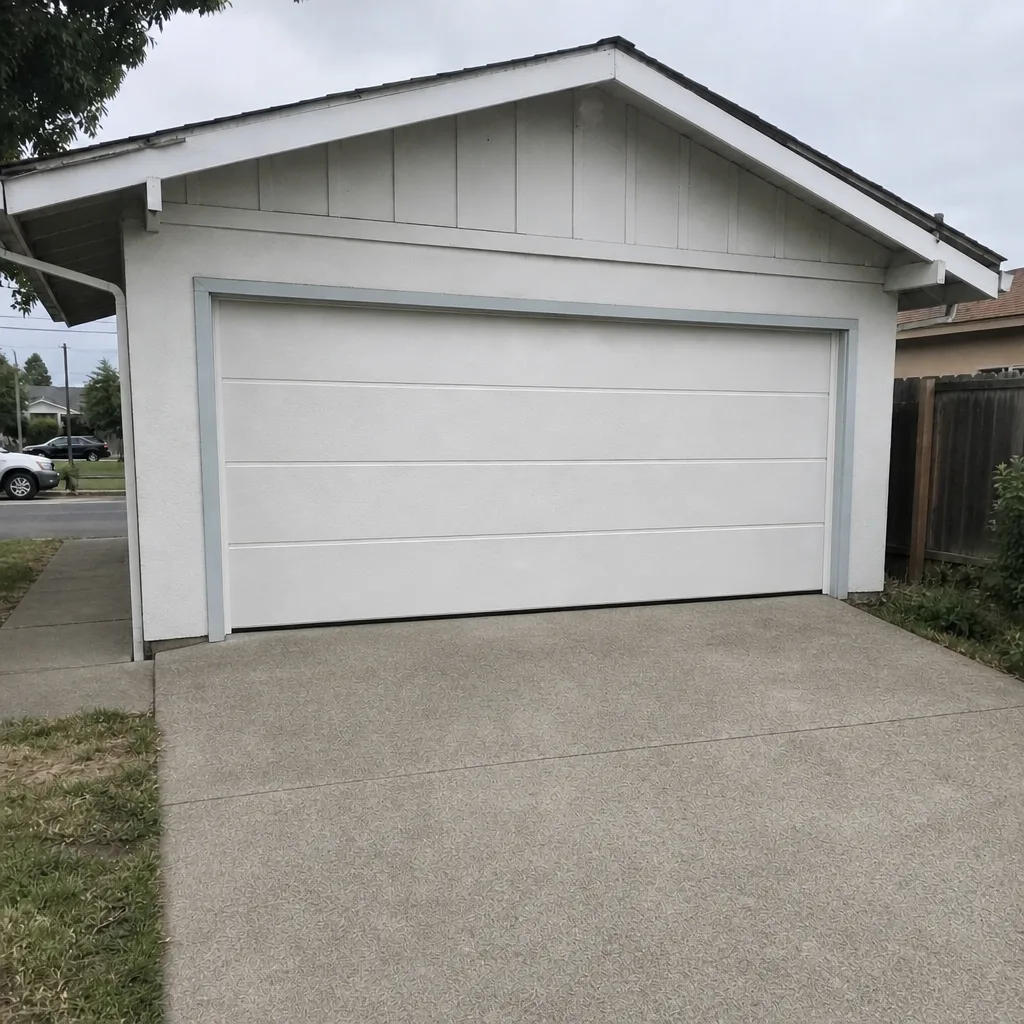
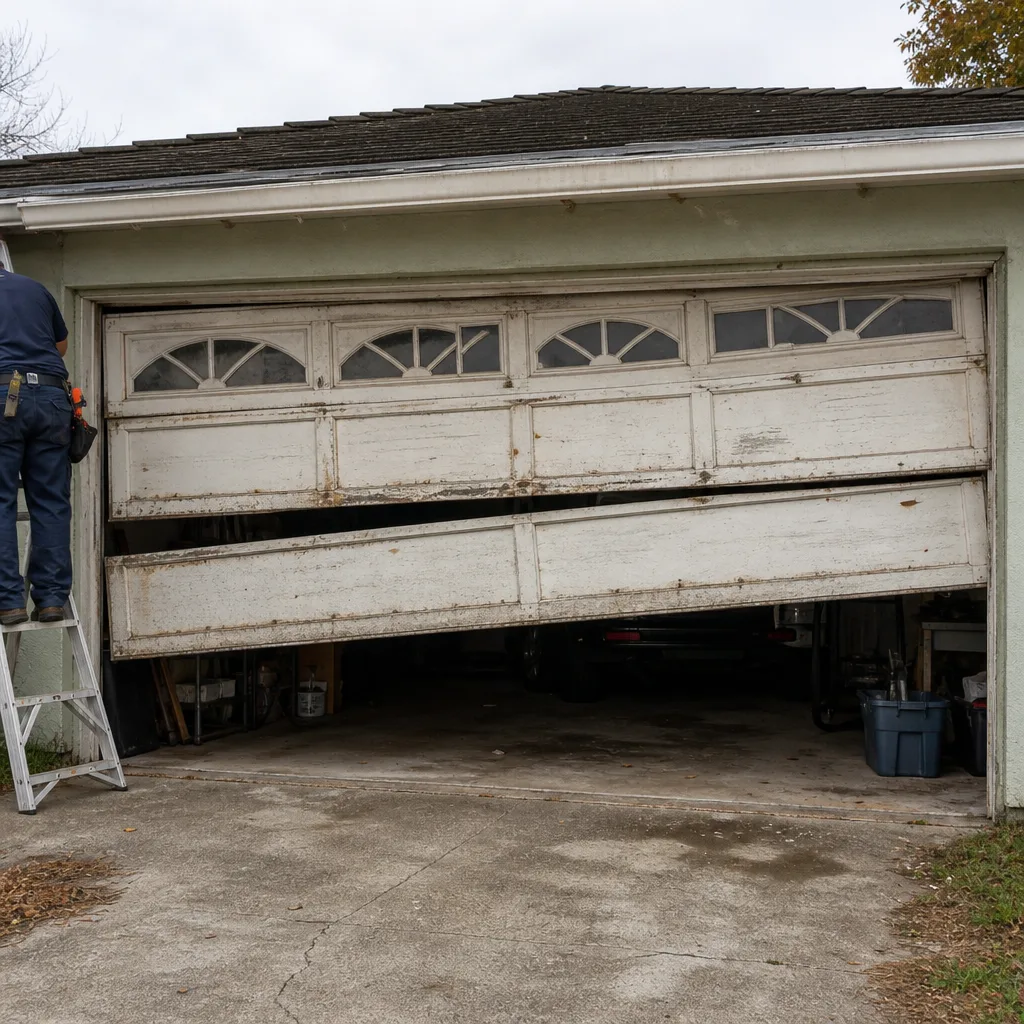
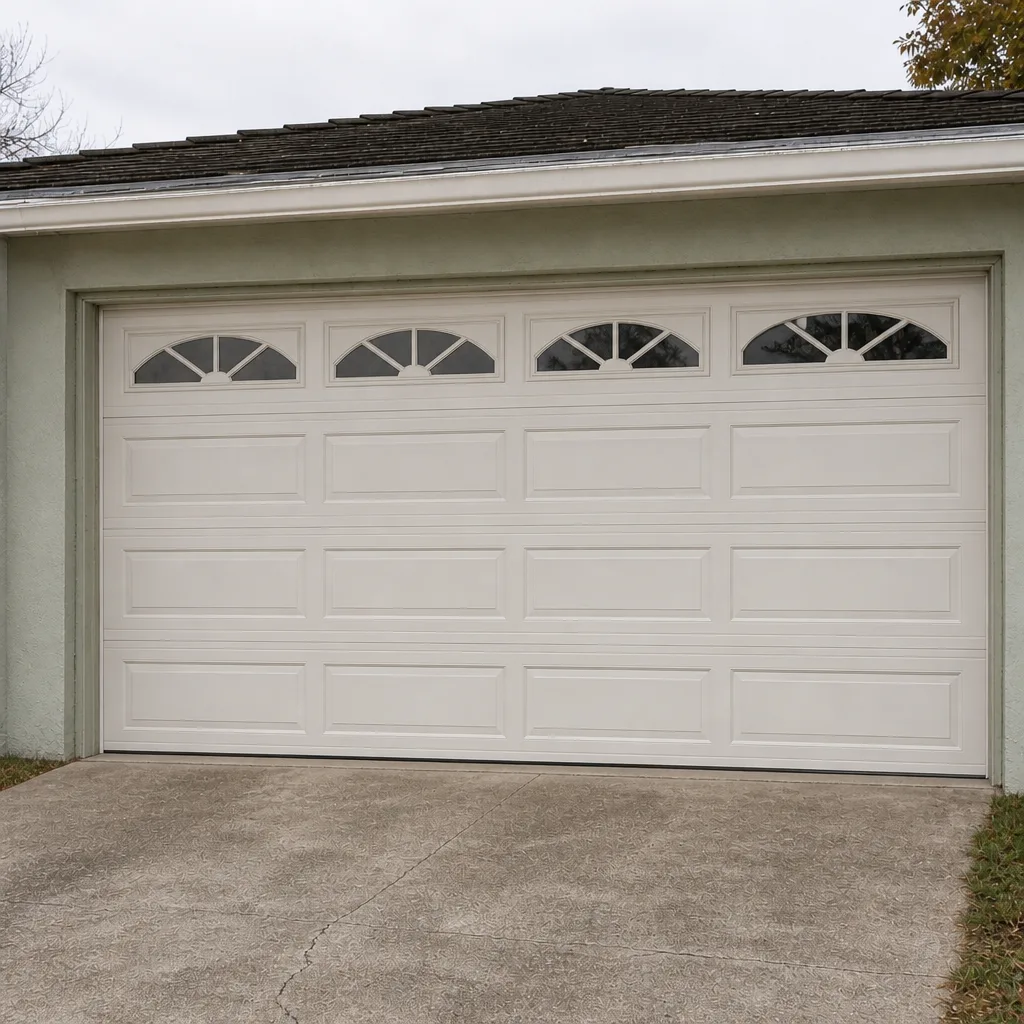
See the difference
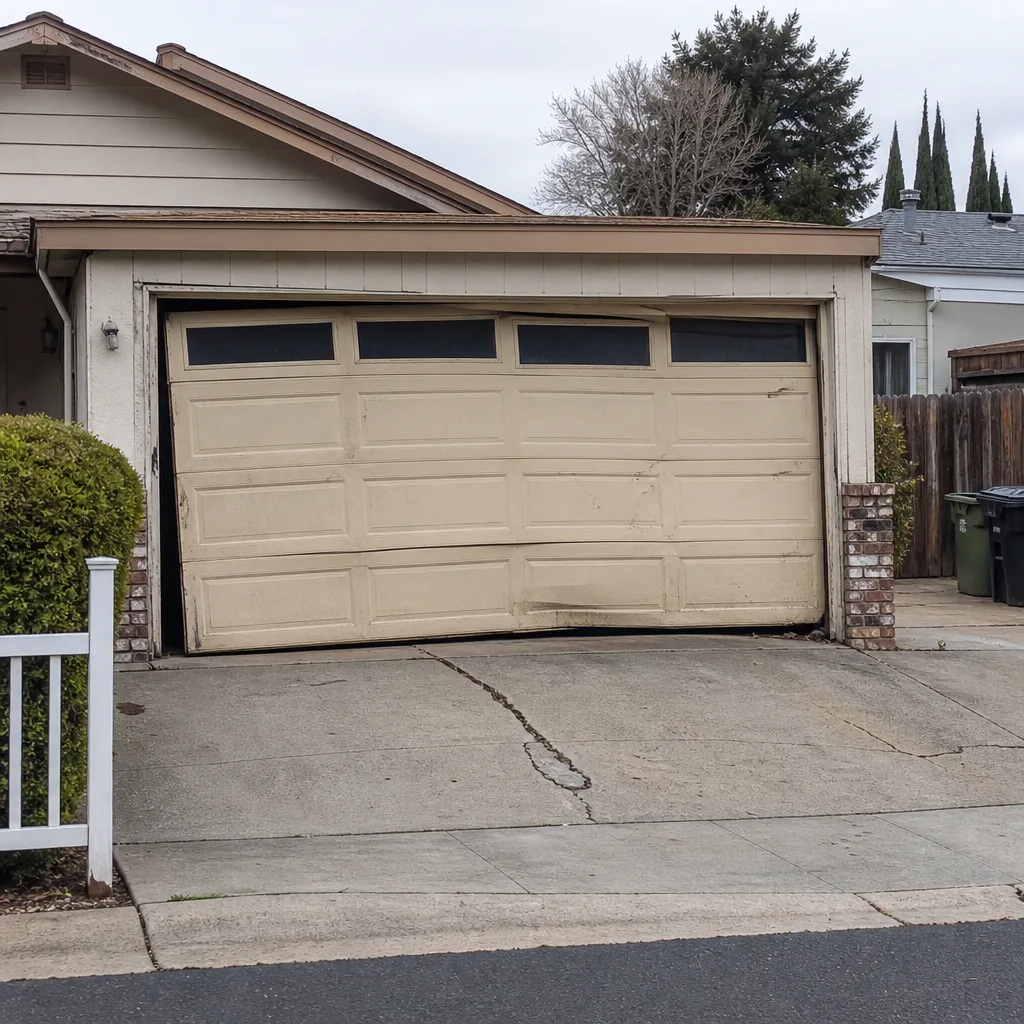 Before
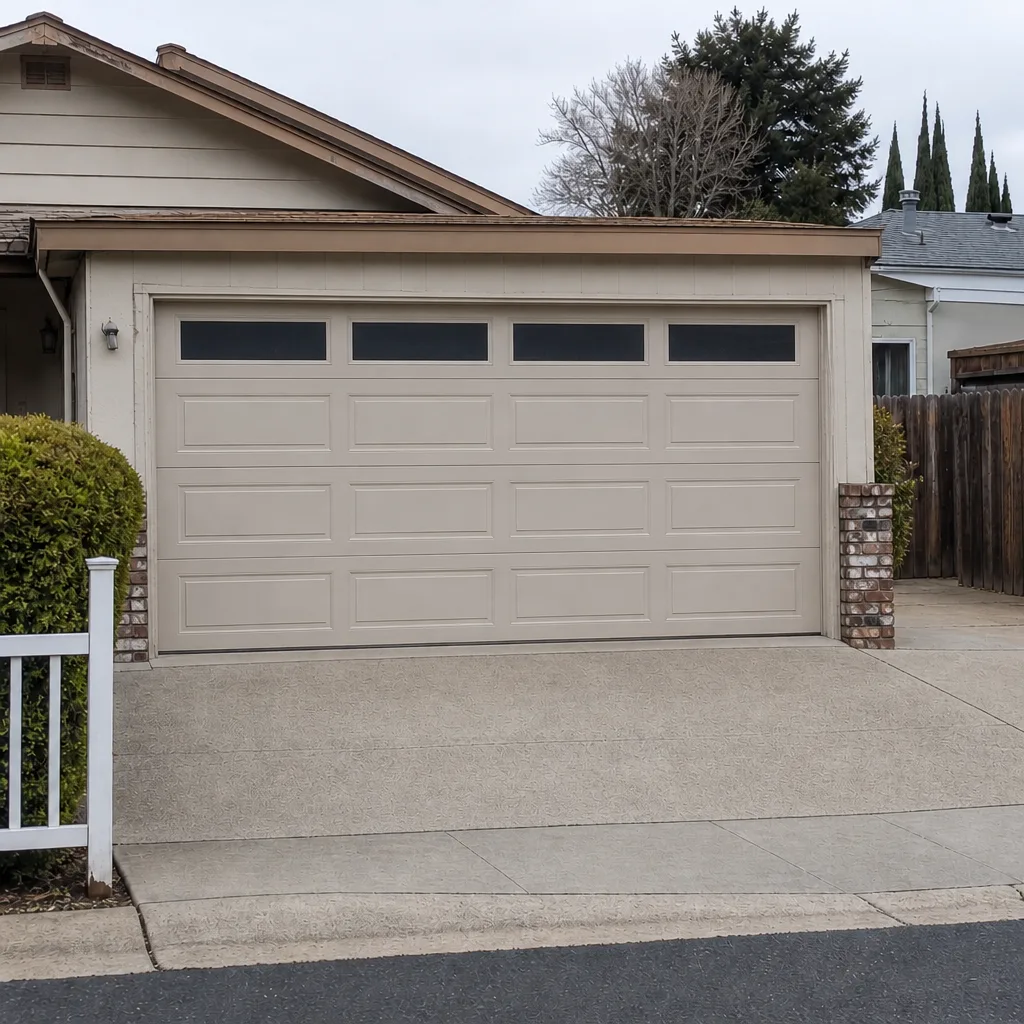 After
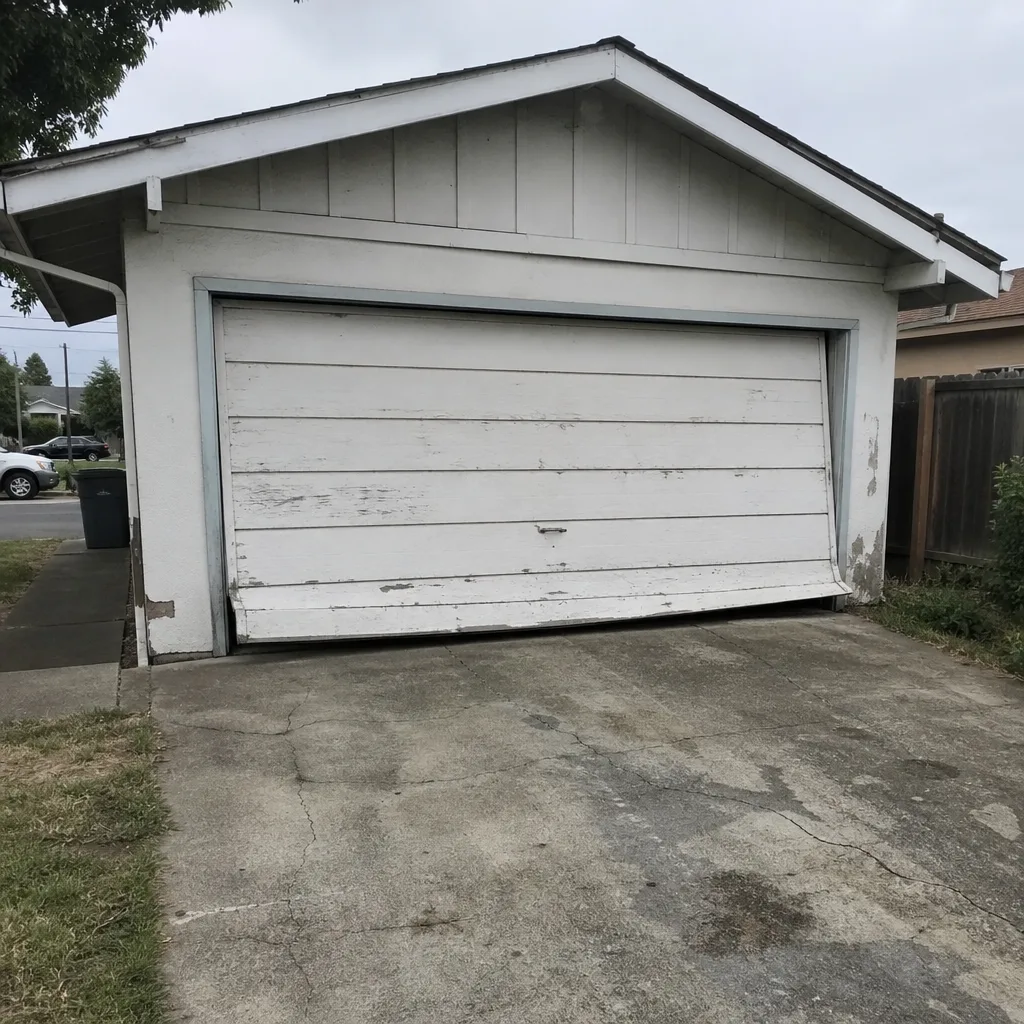 Before
 After
 Before
 After
When to Call a Professional
Not every item on this checklist is a DIY job, and knowing where to stop is part of owning a garage door safely. Call a professional if you see a frayed or sagging cable, a broken spring, a door that won’t open more than a few inches, or anything that looks off with the drums. Call if the door has come off track even slightly, or if it’s making noises it didn’t make last month. Call if your opener’s battery backup has stopped holding a charge, or if the opener has begun reversing at random. And call before you attempt anything on the torsion spring or shaft, no exceptions.
Our technicians have up to 13 years of experience across the major brands, so we can diagnose by system rather than by guesswork. Fidelity Garage Door Service works on Chamberlain, Genie, Clopay, Amarr, LiftMaster, Wayne Dalton, Craftsman, and Raynor equipment regularly. Our estimates are free, and the price is quoted and agreed before any work starts. Call (844) 467-2146. We answer 24/7. Fast dispatch from 7am to 7pm, Sunday through Friday.
Frequently Asked Questions
Every two to three months through the hot season, and every three to four months the rest of the year. The short answer is that standard twice-a-year advice is too slow for a Fairfield summer, where heat thins lubricant and evaporates it faster than in a cooler climate. Use a light garage door lubricant, not WD-40 or heavy grease, and add a pass after any stretch of 100°F-plus days.
No. Torsion springs and cables carry the full weight of the door under extreme tension, and a failure can cause serious injury. The safe homeowner role is visual inspection from a distance, not disassembly. Call (844) 467-2146 for anything touching the spring, cable, or drum. We answer 24/7, and the estimate is free.
The daylight test tells you. Close the door fully, turn out the garage lights, and look for light coming in along the bottom and sides. Any visible light means the seal has failed, regardless of how the rubber looks. Cosmetic cracking with no light and no draft usually means the seal is still doing its job. Call (844) 467-2146 if a replacement is due.
Grinding usually points to worn rollers, dry torsion bearings, or grit in the track. It could also indicate a failing spring or a misaligned drum. Lubricate what you can reach, clean the tracks, and if the noise returns or worsens, it’s time for a professional look. Call (844) 467-2146 for an assessment, and we’ll tell you what’s causing it before any work is quoted.
Because outages are frequent enough that the backup will get used. An untested battery is a guess, not a backup. Test the backup every season by unplugging the opener and running the door on battery power; replace the battery if the opener warns of low charge or the door moves sluggishly. If your opener has no backup, that’s a worthwhile upgrade conversation. Call (844) 467-2146 for help.
Yes, always. The price is set per job by the written estimate, and we quote and agree on it before any work begins. There’s no guessing, no surprise invoice at the end. Call (844) 467-2146 for a free estimate. We answer 24/7. Fast dispatch from 7am to 7pm, Sunday through Friday.
The Bottom Line
A garage door maintenance checklist is only worth following if it fits the climate it’s written for. In Fairfield, that means tighter lubrication intervals through the heat, seasonal weatherstripping inspection for wind and dust, careful track cleaning that protects the galvanized coating, and a battery backup test after every storm season. Everything on the checklist is doable at the homeowner level with a little care, except the springs, cables, and drums. Those belong to a trained technician. The rest is a twenty-minute habit that saves real money. When in doubt, call the specialists. Call (844) 467-2146. We answer 24/7. Fast dispatch from 7am to 7pm, Sunday through Friday. First-time work starts with a free estimate from Fidelity Garage Door Service.
Written by the team at Fidelity Garage Door Service.