
Last updated November 15, 2026
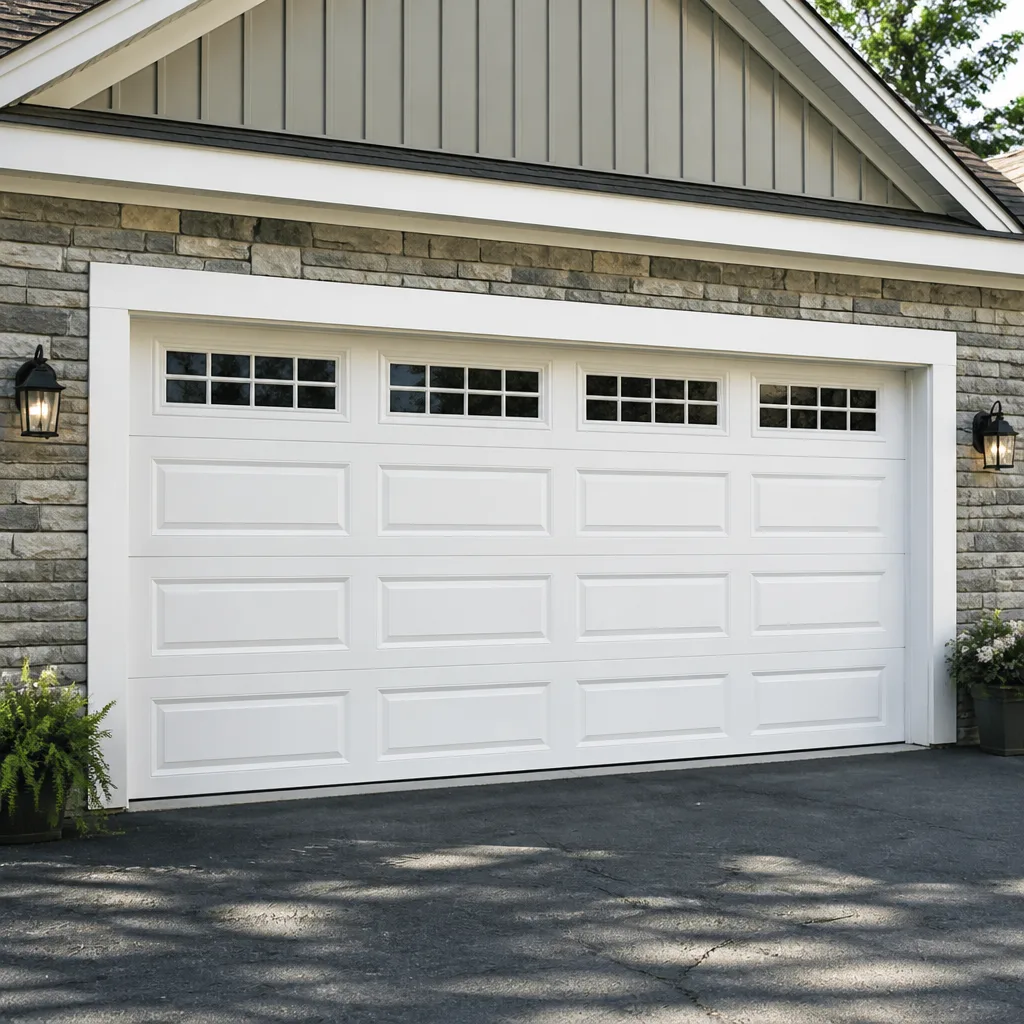 Raised-panel steel
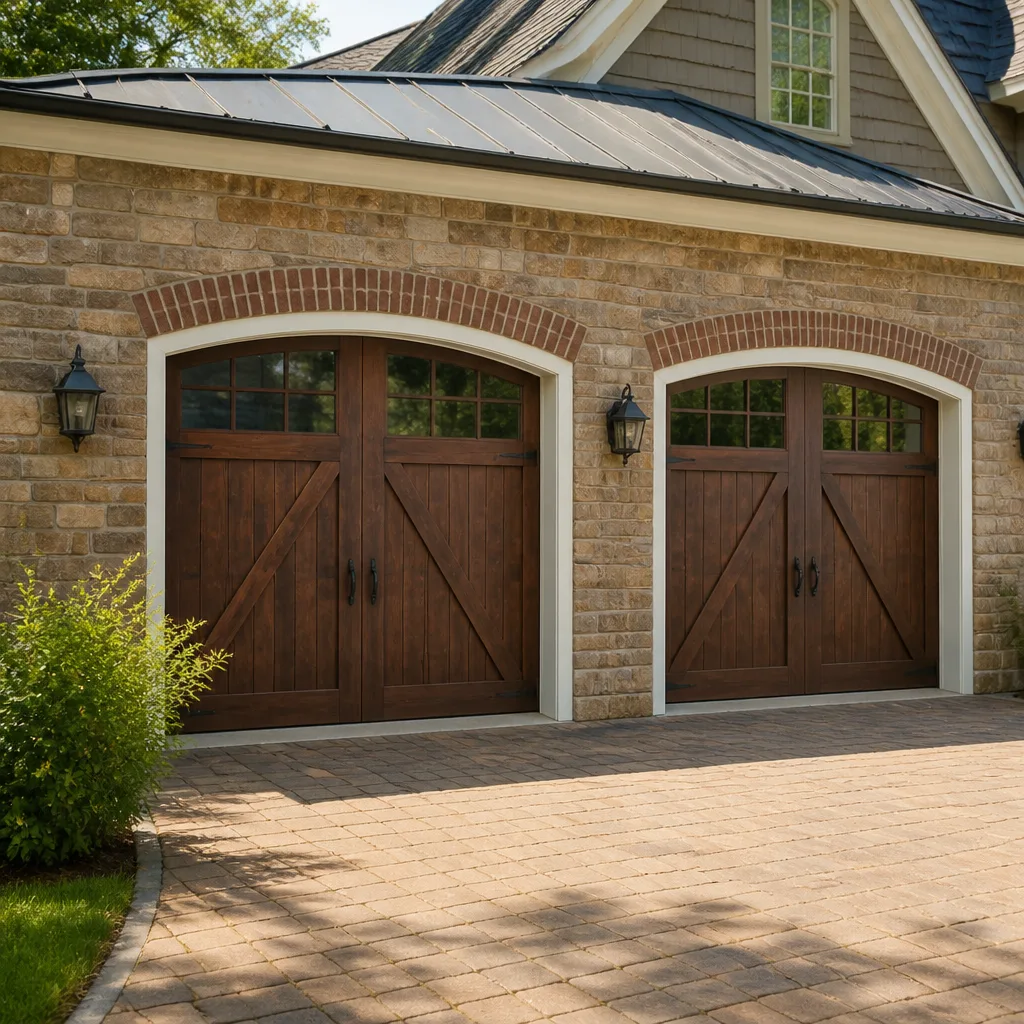 Carriage house
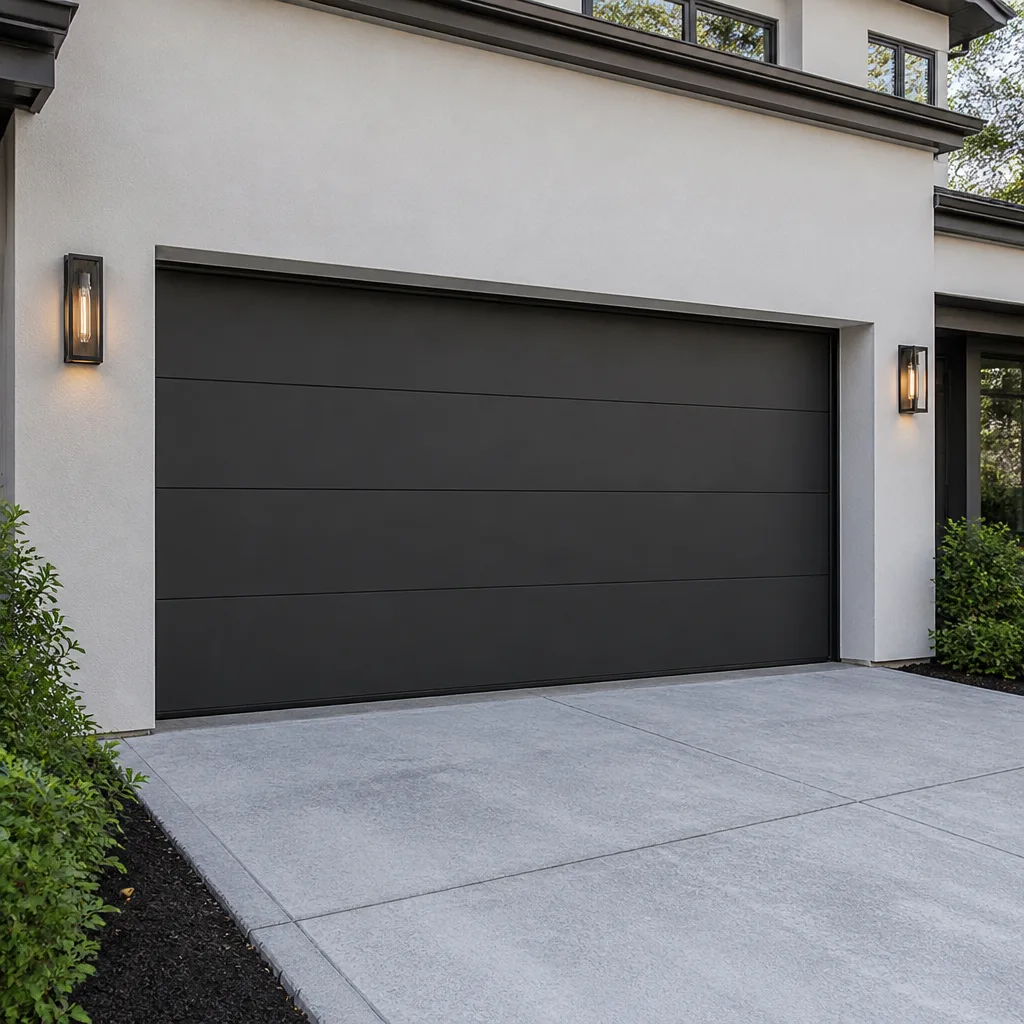 Modern flush
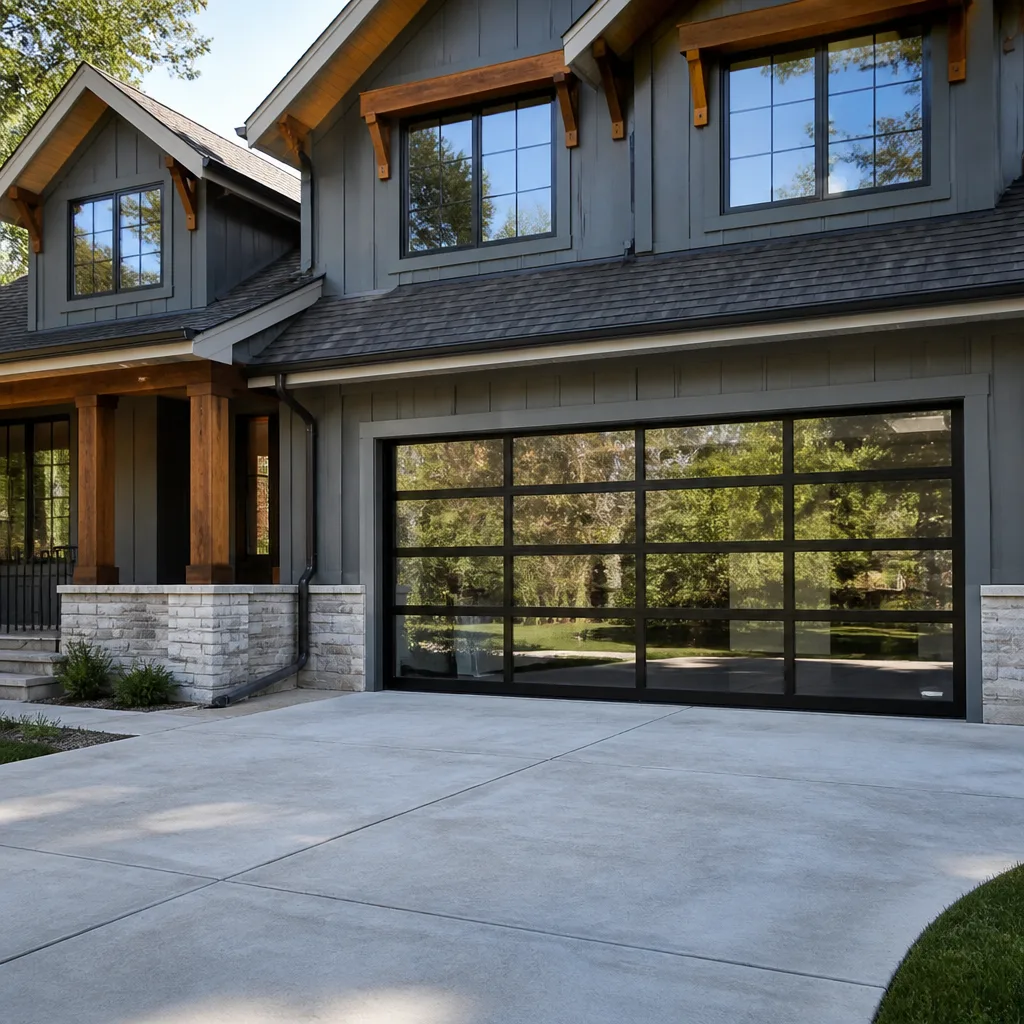 Full-view glass
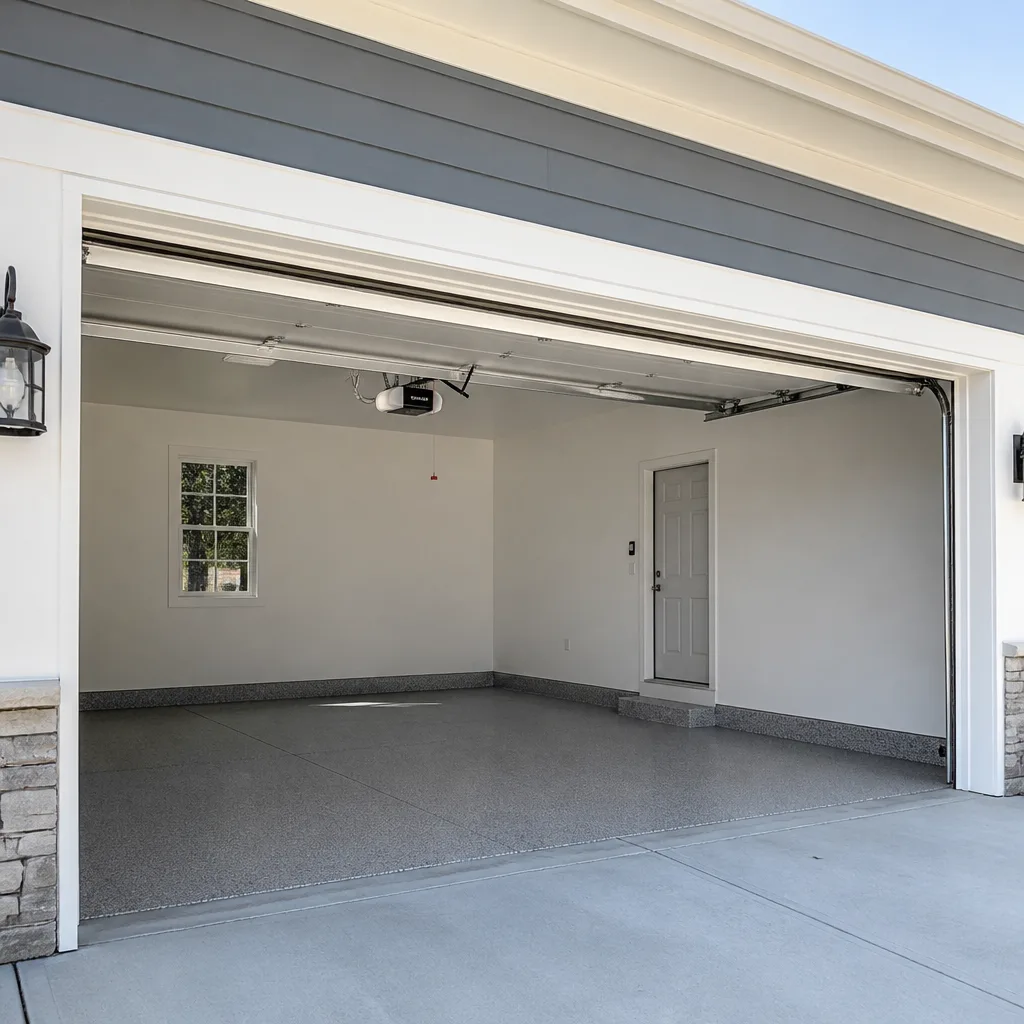 LiftMaster openers
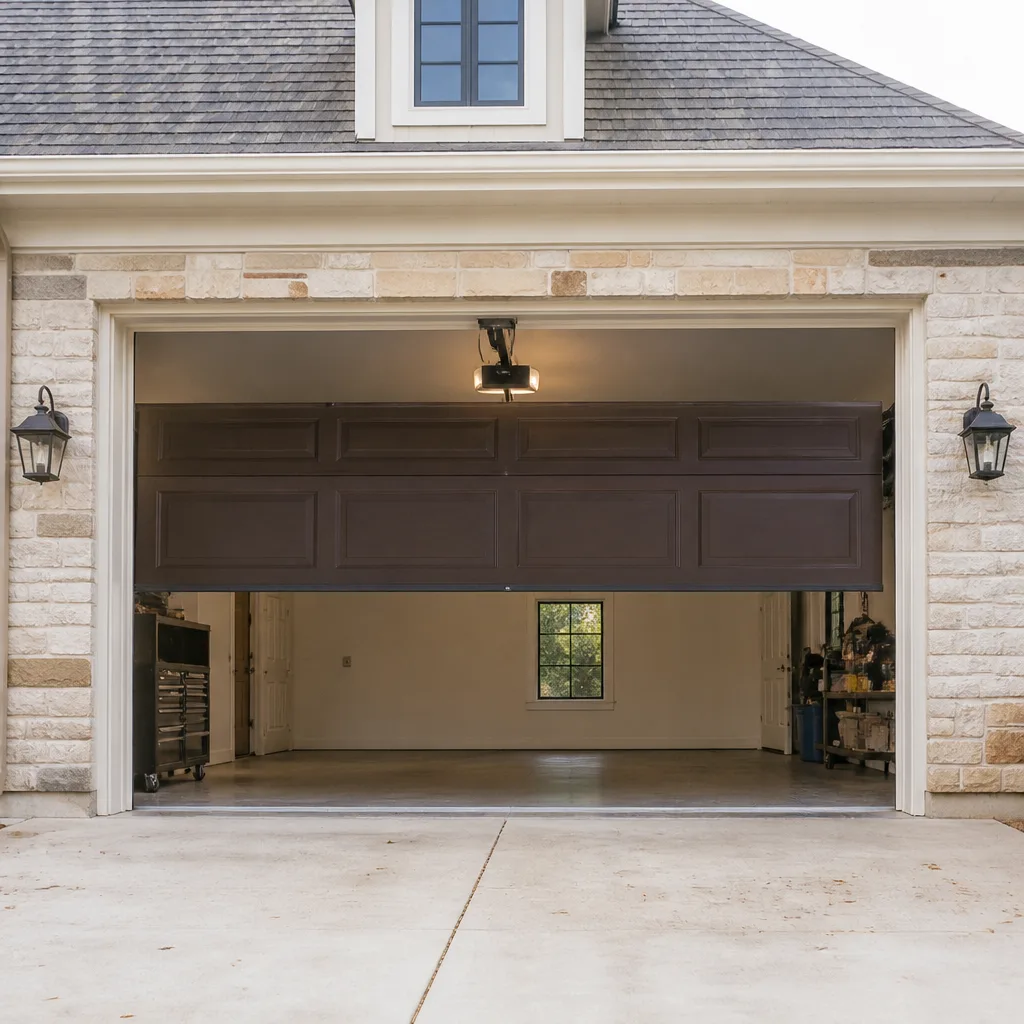 Chamberlain openers
Full 25-point door and opener safety check with every visit - springs, cables, rollers, tracks, and your LiftMaster or Chamberlain opener included
You get a price before we start. It does not change when the pro arrives.
Get your free estimateGarage Door Repair Troubleshooting in Fairfield: Common Problems and How to Fix Them
A door that “just stopped working” almost never just stopped working. In almost every case we look at, there were three to five warning signs in the weeks before the failure: a grind that showed up only in the cold, a pause halfway up, a door that started closing a little harder than it used to. Those signs are the door telling you which part is failing. Learning to read them is the difference between a small, targeted fix and a technician guessing at the wrong component. In this guide, we’ll map the most common symptoms Fairfield homeowners describe to the parts that actually cause them, show you what you can safely check yourself, and flag the handful of problems you should never put your hands near.
Quick Answer
Most garage door problems fall into one of five buckets: spring or cable failure, opener or logic board failure, track and roller misalignment, safety sensor trouble, or a door that’s simply out of balance. Matching the exact symptom (grinding, popping, reversing, uneven travel) to the correct bucket is what separates a quick, inexpensive repair from an expensive misdiagnosis. If you hear a loud bang from above the door and the door won’t lift, stop and call a professional; that’s a torsion spring failure, and it’s not a homeowner job.
Styles & brands we work with
- Raised-panel steel
- Carriage house
- Modern flush
- Full-view glass
- LiftMaster openers
- Chamberlain openers
Table of Contents
- How to Read Your Door Like a Technician
- Door Won’t Open at All: What It Usually Means
- Door Reverses Mid-Travel: Sensor or Force Setting
- Door Opens Unevenly or Binds in the Tracks
- Matching the Sound to the Part
- How Fairfield’s Temperature Swings Affect Your Door
- What You Can Safely Check Yourself
- Symptoms That Require Hands Off Until a Tech Arrives
How to Read Your Door Like a Technician
When we arrive at a home in Fairfield, the first thing we do isn’t reach for a tool. We listen, then we watch the door move. The sound and the movement pattern narrow the diagnosis before we’ve touched anything. A technician hears a rhythmic scrape and thinks “roller or track.” A single pop followed by a slack door means “spring or cable.” A door that shudders as it descends and stops hard at the bottom is usually a force-setting or balance problem, not a broken part at all.
That order matters. Symptoms point to systems. Systems have a small number of likely parts. Guessing at parts without reading the symptom is how a simple roller replacement turns into a full hardware swap that wasn’t needed. Here’s the sequence we follow, and the one you can follow too:
- Listen before you touch. Run the door from the wall button and stand still. Note whether the noise happens at the start, middle, or end of travel.
- Watch the movement. Is the door level as it rises? Does it hesitate? Does it reverse?
- Isolate the opener from the door. Pull the manual release and lift the door by hand. If it lifts easily and stays balanced, the door hardware is likely fine and the opener is the problem. If it’s heavy or binds, the door is the problem.
- Check the safety sensors last. A sensor issue produces a very specific symptom (see the reversing section below) and rarely mimics anything else.
This is the same read-first approach that runs through all of our garage door repair work in Fairfield. The diagnosis comes before the parts list, every time.
Door Won’t Open at All: What It Usually Means
A door that won’t move at all is one of the easier calls to narrow down, because the causes are limited. In our experience, it’s almost always one of these four:
- Broken torsion spring. You’ll usually hear a sharp bang from above the door, and the door will feel extremely heavy if you try the manual release. The spring above the door has snapped. Do not try to lift the door repeatedly, and do not attempt to replace the spring yourself.
- Snapped or off-track cable. The door may sag on one side or drop unevenly. The cable is under extreme tension and is a professional-only repair.
- Opener motor or logic board failure. The motor hums but nothing moves, or the opener is completely silent, or the wall button does nothing but the remotes still work. Opener issues are common across the brands we service – LiftMaster, Chamberlain, Genie, and Raynor all have their own failure patterns, and knowing which one you have shortens the diagnosis.
- Dead power or a tripped breaker. Obvious, but worth checking before you call. Confirm the outlet the opener plugs into has power, and confirm nobody flipped the breaker.
Here in Fairfield, we also see doors that stall on the very first hot afternoon of spring after a cool stretch. The metal has expanded against the tracks, the opener’s force limit is set too tight, and the door refuses to start. That’s usually a force-setting and lubrication issue rather than a broken part, and it’s fixable without replacing anything.
Door Reverses Mid-Travel: Sensor or Force Setting
A door that starts to close, stops, and reverses back up is the most common “phantom” problem we get called about. It’s also the one most often misdiagnosed. The cause is almost always one of two things:
- Misaligned or dirty safety sensors. The two small lenses near the floor on either side of the opening need a clear line of sight. A bumped sensor, a spider web, or morning dew on the lens will make the door reverse. Wipe the lenses, check that both indicator lights are on and steady (not blinking), and confirm nothing (a broom, a bicycle, a recycling bin) is blocking the beam.
- Force limit set too low. The opener has a built-in force setting that tells it how hard to push before it reverses for safety. Cold weather, a stiff door, or a slightly dry track can push the door past that limit even when nothing is wrong. This is a setting adjustment, not a part replacement.
If both sensors are clean, aligned, and lit, and the door still reverses, stop adjusting and get a diagnosis. Repeated force-setting changes on a door with a real balance problem just mask the underlying issue and put more strain on the opener. That’s true whether you have a newer LiftMaster or an older Craftsman unit still going strong.
Door Opens Unevenly or Binds in the Tracks
An uneven door is telling you something is out of alignment, and the longer you run it that way, the more parts it takes with it. The most likely causes in a Fairfield home:
- Bent or misaligned track. A track that’s been nudged (a car bumper, a ladder, a stray basketball) will bind the rollers and force the door to ride crooked. Tracks can often be straightened, but a badly bent section needs replacement.
- Worn or seized rollers. Rollers wear out, especially on doors that see daily use. A seized steel roller will scrape and drag the door off level. This is one of the more affordable repairs on the list.
- Loose hinges or a cracked panel. A wooden or composite door can develop a sagging panel over time. A cracked section changes how the door travels and should be looked at before it gets worse.
- Broken cable drum or frayed cable. If the door hangs lower on one side than the other and you can see a slack or frayed cable, that’s a hands-off situation. Do not try to re-spool the cable.
Uneven travel is where homeowners most often try to “help” the door along, and that’s where a small repair turns into a bigger one. If the door drags or rides crooked, let it sit until a technician looks at it.
Matching the Sound to the Part
Sound is the most useful diagnostic tool a door gives you free of charge. Here’s how we map the noises homeowners describe to the parts that cause them:
- Grinding, continuous. Usually dry rollers, dry torsion tube bearings, or metal-on-metal in the tracks. Often resolved with proper lubrication on the right points (not the tracks themselves, which should stay dry).
- A single loud pop or bang. Torsion spring failure. The door will usually be very heavy afterward. Stop and call.
- Scraping or squealing on one side. A roller or hinge binding against the track, or a track slightly out of alignment on that side.
- A rhythmic thump, thump, thump. A bent or worn roller, or a torsion bar that’s loose. Sometimes the opener’s gear or sprocket.
- Clicking from the opener head, not the door. Logic board or gear-and-sprocket wear inside the opener. This is where brand-specific knowledge matters; Chamberlain and Genie openers each have their own wear patterns.
If you can’t tell which side of the door a sound is coming from, that itself is useful information. Central sounds usually trace to the torsion system or the opener rail. One-sided sounds point to a specific track and roller. If the door is a Raynor or a LiftMaster, tell us the brand and model when you call and we’ll come prepared for the likely failure points.
How Fairfield’s Temperature Swings Affect Your Door
Fairfield sits in a part of the Bay Area where the daily temperature swing can be noticeable, and garage doors don’t love temperature swings. The metal tracks, the torsion spring, and the door panels all expand and contract at slightly different rates. Over a season, that movement adds up. A door that ran perfectly in the fall can start to bind in the first warm week of spring, and a door that ran fine all summer can start to drag in the cool mornings of winter. Neither means the door is broken; both mean it needs an adjustment.
Here’s what we see around Fairfield most often:
- Spring tension drift. A torsion spring that was perfectly balanced in mild weather can feel heavy or light in a temperature extreme. The door may still work, but it’s working against a spring that’s slightly out of spec for the day.
- Metal contraction. Track sections and door panels contract in cool weather, tightening clearances and increasing friction on the rollers. A door that squeals on cold mornings is usually a lubrication and clearance issue, not a failed part.
- Force-limit nuisance trips. When friction rises just enough, the opener’s force setting may not be sufficient, and the door reverses unexpectedly. This feels like a sensor problem but usually isn’t.
Seasonal adjustment is a real maintenance task here. A door that’s been running without an adjustment for a couple of seasons in Fairfield is a good candidate for one, especially before the temperature swings get bigger.
What You Can Safely Check Yourself
Some troubleshooting is genuinely homeowner territory. If you can do the following without putting your hands inside the torsion system, the tracks, or the opener housing, you can often save yourself a service call:
- Test the balance. Pull the manual release (the red cord) with the door in the closed position. Lift the door by hand about halfway. It should lift smoothly and stay put when you let go. If it slams down or won’t lift, it’s out of balance and needs a technician.
- Inspect the safety sensors. Wipe the lenses, check that both indicate with a steady light, and confirm nothing is blocking the beam. Realign them by hand if one is visibly knocked off-axis.
- Check that the opener has power. Confirm the outlet works and that the breaker hasn’t tripped. If the wall button does nothing, check the remote battery.
- Look at the tracks from a distance. You can visually identify an obvious dent or bend without touching it. If you see one, don’t bend it back yourself; a track is a precision part.
- Visual check of the springs and cables. Look for a visible gap in the torsion spring above the door, or a frayed or sagging cable. If you see either, that’s the end of the DIY inspection.
If your inspection ends at any of these points, you’ve already done the most useful thing you can do for a technician: you can tell them exactly what you saw.
Symptoms That Require Hands Off Until a Tech Arrives
Three components on a garage door are genuinely dangerous and should never be worked on by anyone but a trained technician. We want to be clear about which these are, because homeowners who “just take a look” at these are the ones who get hurt.
- The torsion springs. The springs above the door are under enormous tension. A torsion spring can be holding hundreds of pounds of force even when the door is down, and an improperly released spring can cause serious injury. If a spring is visibly broken, or the door is extremely heavy after a loud noise, stop and call.
- The cables and cable drums. The cables run from the bottom corners of the door up to the drums at the top. They are under tension. A frayed or slack cable can snap without warning. Never try to reattach, tighten, or re-spool a cable.
- The opener’s internal wiring or the logic board. Openers are wired into household power. If you’re not comfortable working with household electrical, don’t open the housing. Call us instead.
This isn’t a hesitation tactic; it’s a safety line. The springs and cables are where the energy of the whole door system is stored, and they don’t give second chances to a slip. If you’re unsure whether your situation falls into one of these categories, call us at (844) 467-2146 and we’ll help you sort it out over the phone before you touch anything.
Common Mistakes to Avoid
- Greasing the tracks. The tracks should stay dry. Lubricant attracts grit and dust, which wears the rollers faster. The right places to lubricate are the hinges, rollers (the stem, not the wheel), and torsion bearings, not the tracks.
- Adjusting the force setting to fix a real problem. If the door is binding or the spring is failing, increasing the force setting masks the symptom and accelerates wear on the opener. Fix the cause, not the setting.
- Lifting the door by hand to test a spring failure. If the spring is broken, the door is much heavier than it should be, and lifting it can drop it on you. Test the balance with the door in its closed position, not after an obvious failure.
- Ignoring a single pop. A pop from above the door usually means a spring failure. If the door still opens, some homeowners assume it “fixed itself.” It hasn’t. Get it looked at before it fails again and takes the opener with it.
- Assuming a reversing door is a sensor problem. Not every reverse is a sensor. A force-setting issue or a balance problem can also cause it, and misdiagnosing it wastes time and money.
- Trying to straighten a bent track yourself. Tracks are precision parts. A hand-straightened track will usually bind worse than before and can damage the door panels.
- Hiring a generalist. Garage doors have their own tools, their own safety protocols, and their own brand-specific failure patterns. A handyman is not the right call for a spring, cable, or opener issue. We’re a single-trade garage door specialist, and that’s the only way we’d want the work done on our own homes.
See the difference
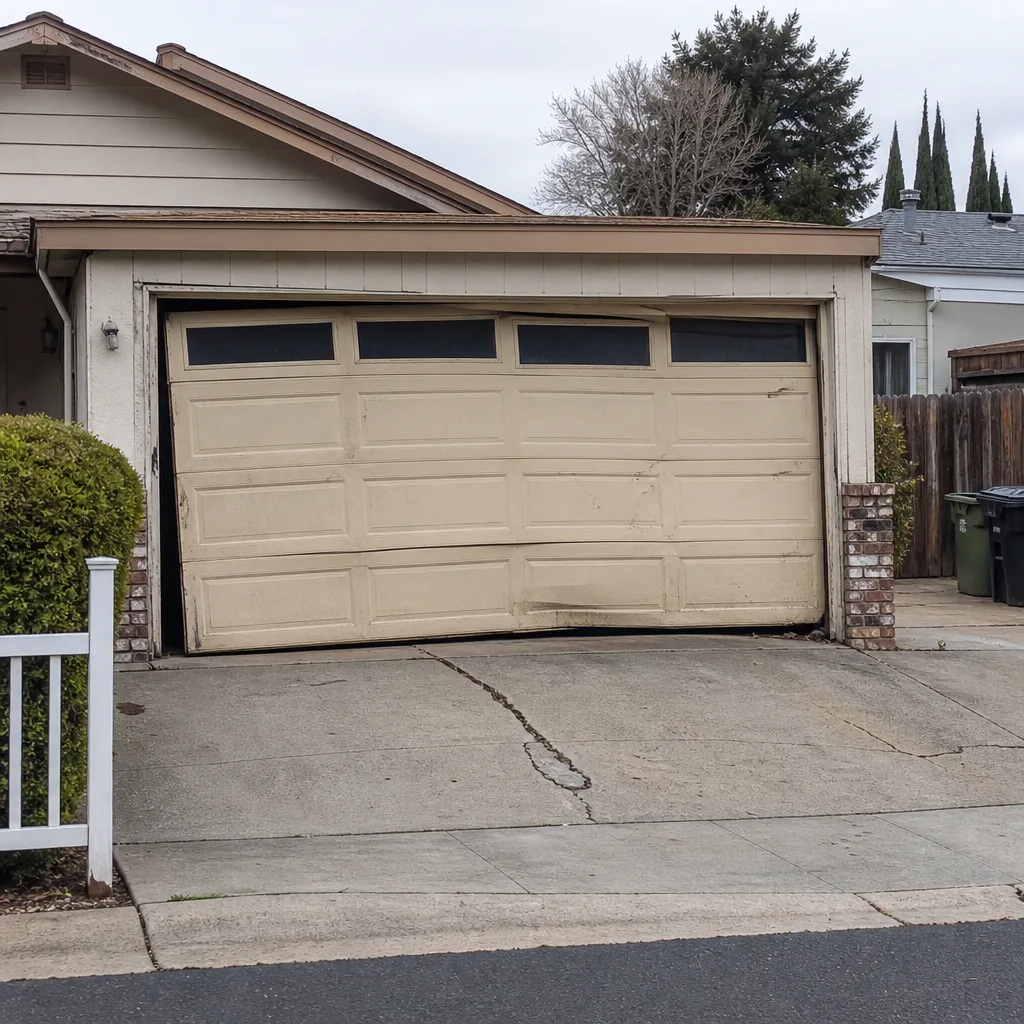 Before
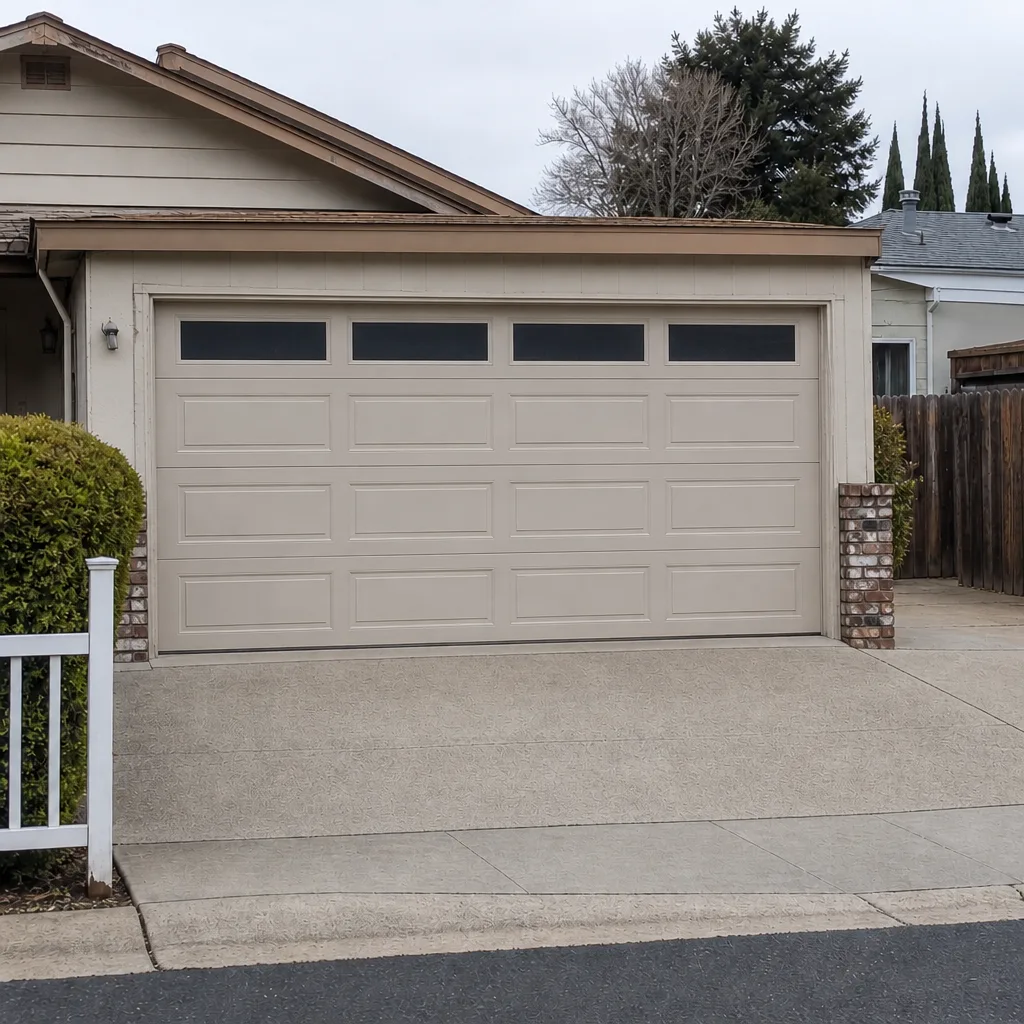 After
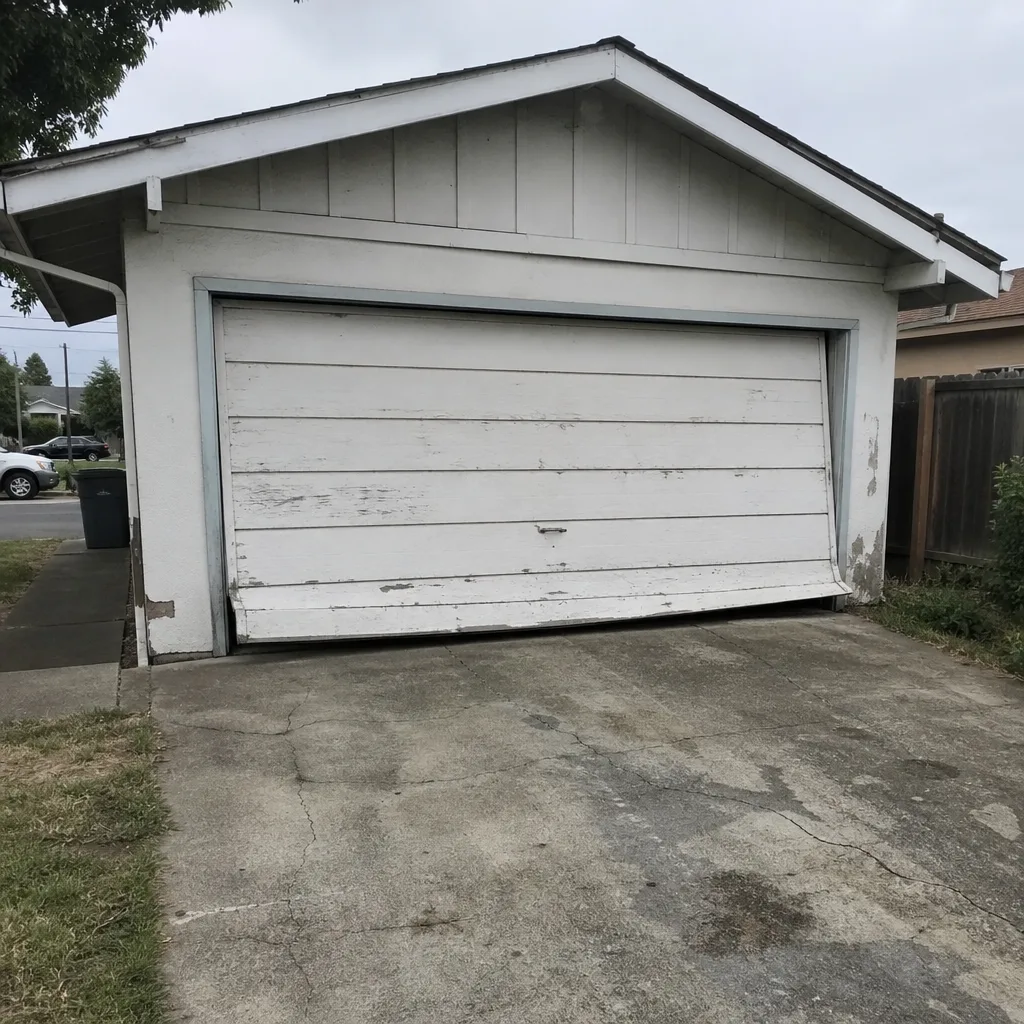 Before
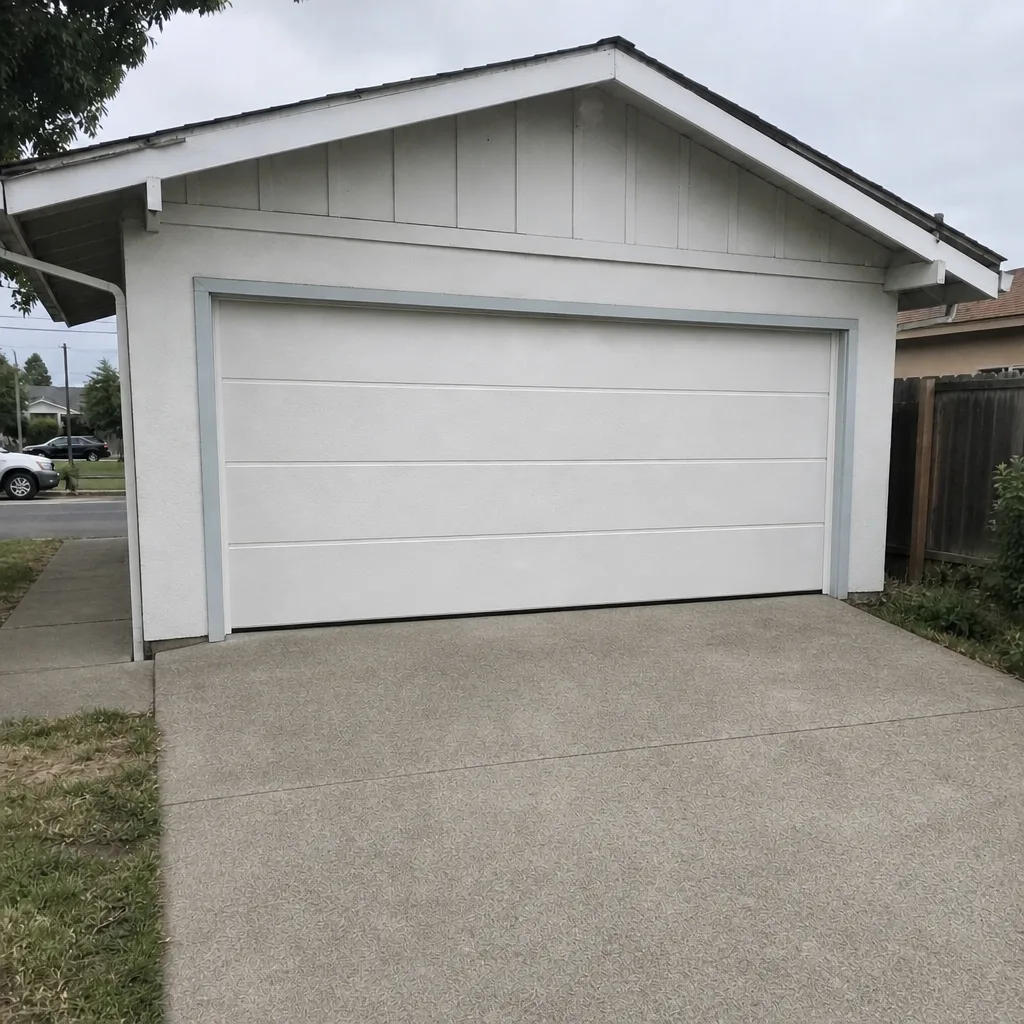 After
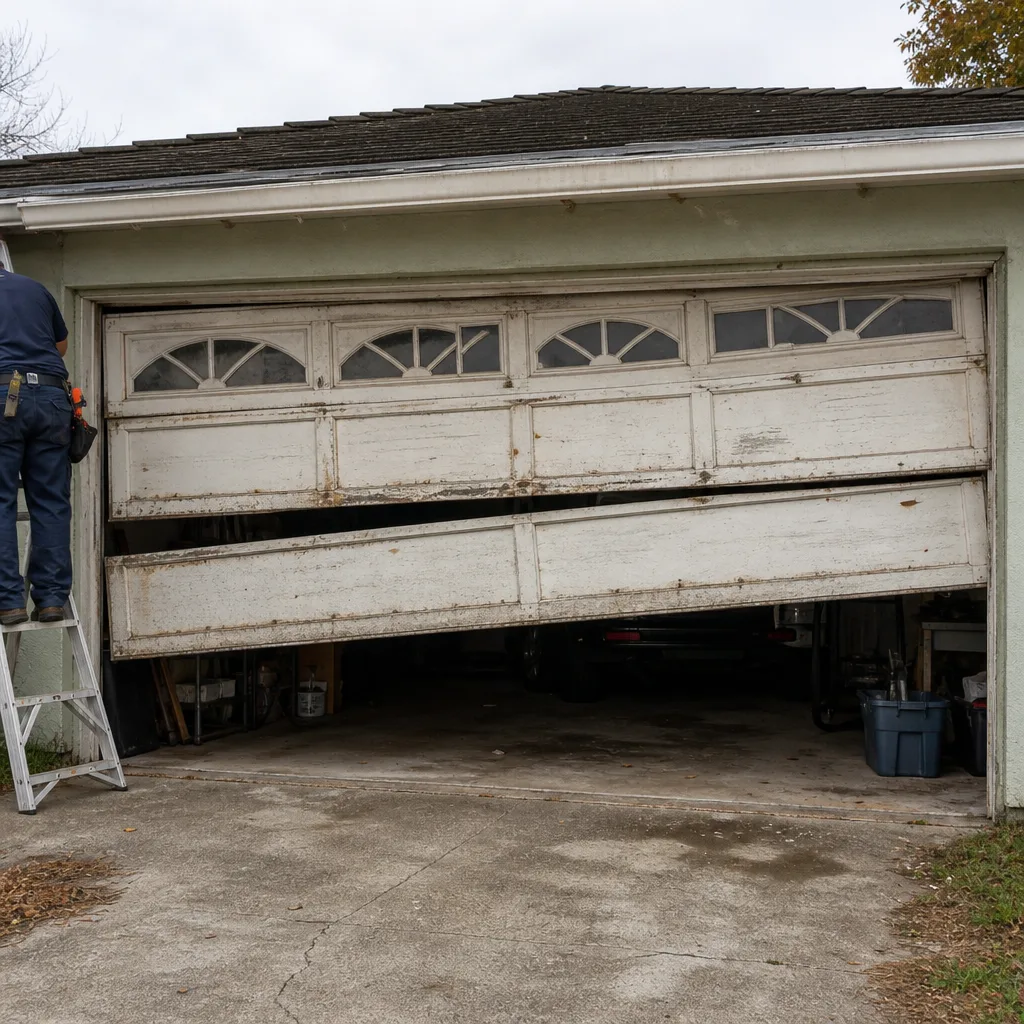 Before
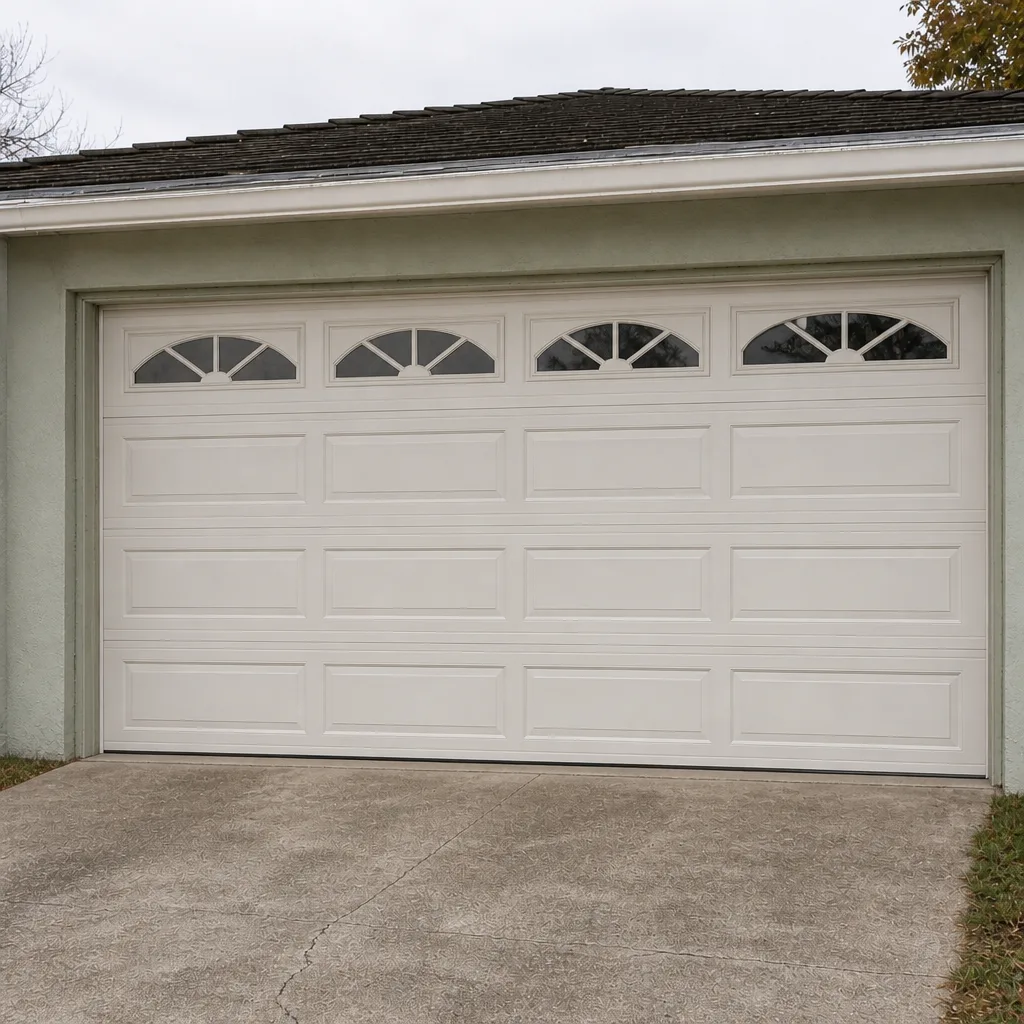 After
When to Call a Professional
Call a technician when you hear a bang or pop from above the door; when the door won’t lift smoothly; when you see a broken spring, a frayed or slack cable, or a visibly bent track; when an opener hums without moving the door; or when the door repeatedly reverses despite clean, aligned sensors. Call us right away if the door is hanging unevenly, if a panel is cracked or sagging, or if the door is dangerous to move by hand. Fidelity Garage Door Service offers free estimates in Fairfield. Call (844) 467-2146. We answer 24/7, with fast dispatch from 7am to 7pm, Sunday through Friday. Our technicians have up to 13 years of experience, and we work across all the major systems – LiftMaster, Chamberlain, Genie, Clopay, Amarr, Wayne Dalton, Craftsman, and Raynor – so we’re diagnosing based on the door in front of us, not guessing from a distance.
Frequently Asked Questions
Typical repair costs in Fairfield generally fall into a few bands. A torsion spring replacement runs roughly $180 to $340 for a single spring; a matched pair is usually replaced together and costs about twice that. Roller replacement is typically $60 to $120. A track adjustment or realignment runs $80 to $160. An opener repair runs $120 to $280 depending on the part (gear, sprocket, logic board, or safety sensor). Every job is quoted before any work starts, so you’ll know the written estimate before we touch the door. Call (844) 467-2146 for an exact quote. Estimates are free.
Some of it, yes. Safety sensors, remote batteries, lubrication on the right parts, and visual inspection of the door are all reasonable homeowner territory. Torsion springs, cables, cable drums, and the internal wiring of the opener are not. Those parts hold the stored energy of the door and fail violently when handled improperly. If you’re not sure which category your problem falls into, call (844) 467-2146 and we’ll help you make that call.
In most cases, a reversing door is a safety sensor issue: the beam is blocked, misaligned, or the lenses need cleaning. Start there. If the sensors are clean and aligned and the door still reverses, the opener’s force setting is probably too low, or the door is out of balance. That’s a technician diagnosis, not a parts swap. Call (844) 467-2146 if the door keeps reversing after a sensor clean and check.
Grinding during travel is usually a lubrication or roller issue. Dry hinges, dry torsion tube bearings, or a seized roller will all sound like a low grind as the door runs. It’s rarely an emergency, but it’s worth addressing quickly because a dry part wears into a replacement part. If the sound is a single pop followed by a heavy-feeling door, that’s a spring failure and you should stop and call. Call (844) 467-2146 for a diagnostic visit.
Pull the manual release (the red cord) and lift the door by hand. If the door lifts easily and stays balanced around halfway, the door hardware is fine and the opener is the likely problem. If the door is heavy, binds, or won’t stay put, the door is the problem and the opener is just reporting it. That one test isolates the system faster than anything else. Call (844) 467-2146 to book a free estimate once you know which side of the door you’re on.
Yes. We’re trained on eight of the most widely installed residential brands: LiftMaster, Chamberlain, Genie, Clopay, Amarr, Wayne Dalton, Craftsman, and Raynor. That breadth means we’re not steering you toward a preferred product; we work with what you have or help you choose what fits your needs and budget. If your door or opener isn’t on the list, call (844) 467-2146 anyway and we’ll tell you honestly whether we can help or whether you need a different specialist.
The Bottom Line
Garage door problems are rarely mysterious. They’re specific, and they announce themselves in predictable ways – a pop, a grind, a reverse, an uneven lift. If you learn to read those symptoms, you’ll avoid the misdiagnosis trap: replacing the wrong part because you guessed instead of listened. You’ll also know exactly where your safety line is: springs, cables, and opener wiring are hands off, everything else is a reasonable check. If you’re in Fairfield and you’ve got a door that’s telling you something, Fidelity Garage Door Service offers free estimates and written pricing agreed before any work starts. Call (844) 467-2146. We answer 24/7, with fast dispatch from 7am to 7pm, Sunday through Friday. Or read more about how our garage door opener repair and full lifecycle of service work fits together for homes around Fairfield.
Written by the team at Fidelity Garage Door Service.