
Last updated November 15, 2026
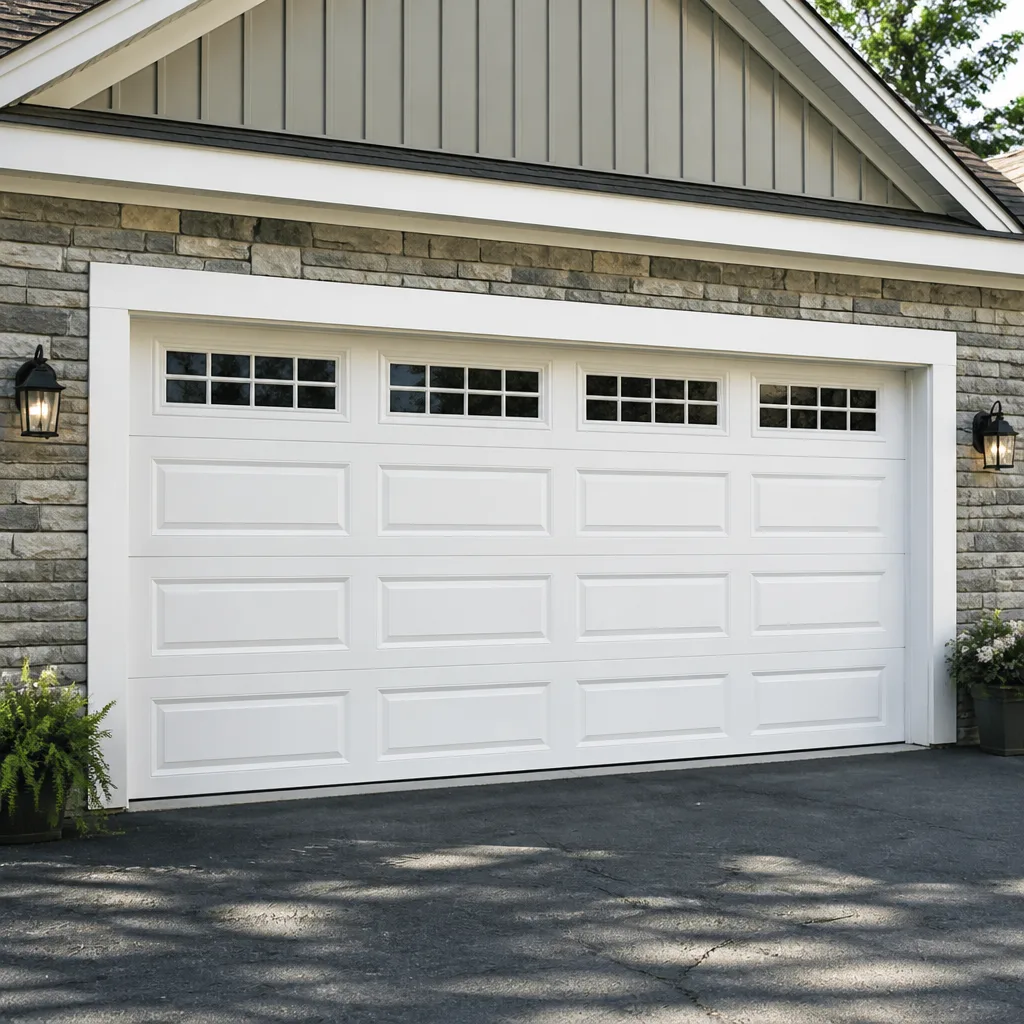 Raised-panel steel
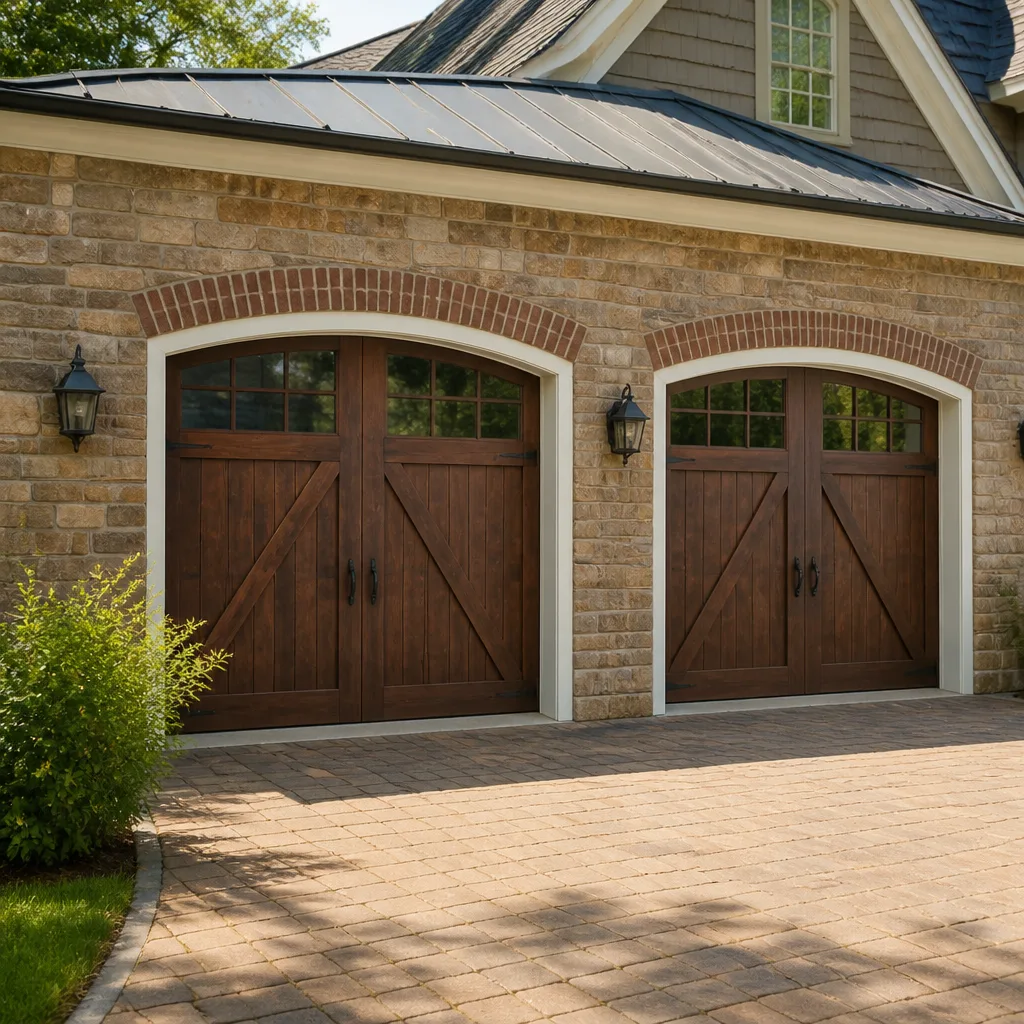 Carriage house
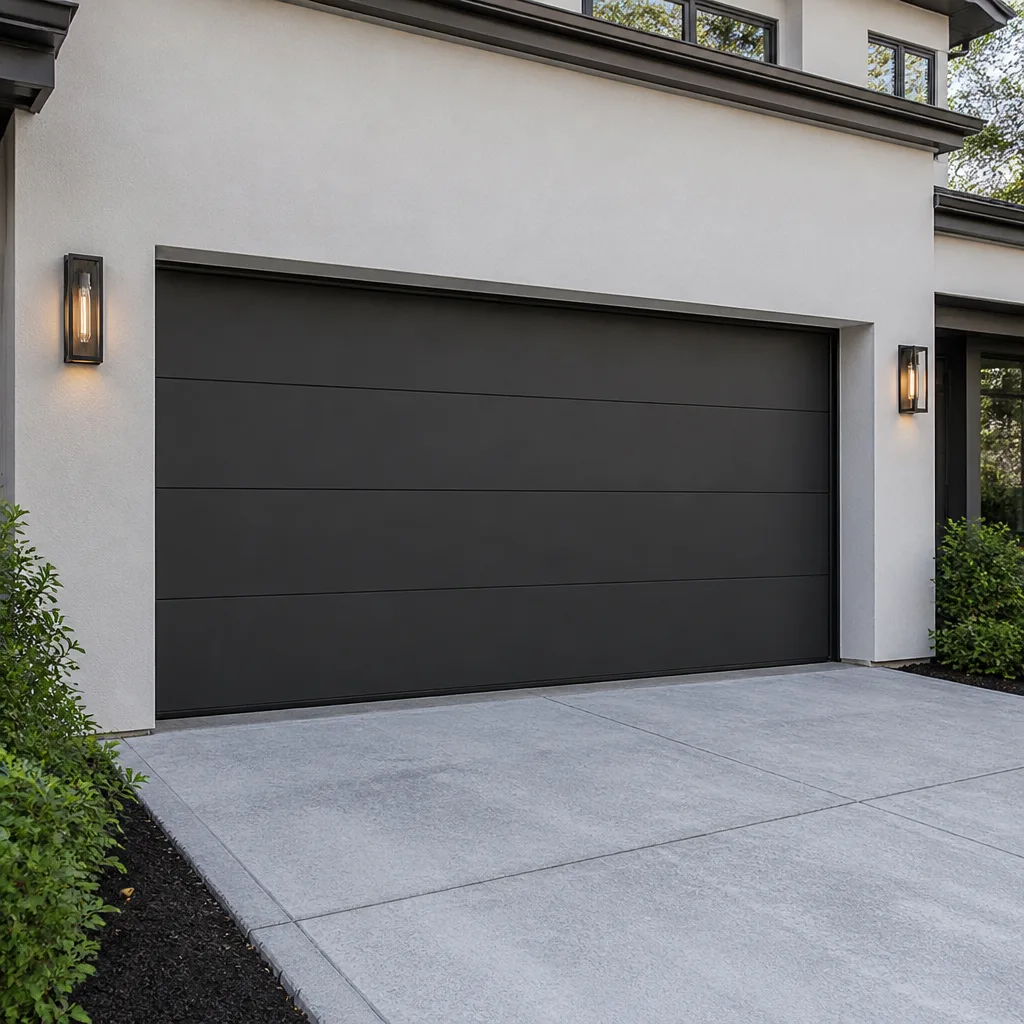 Modern flush
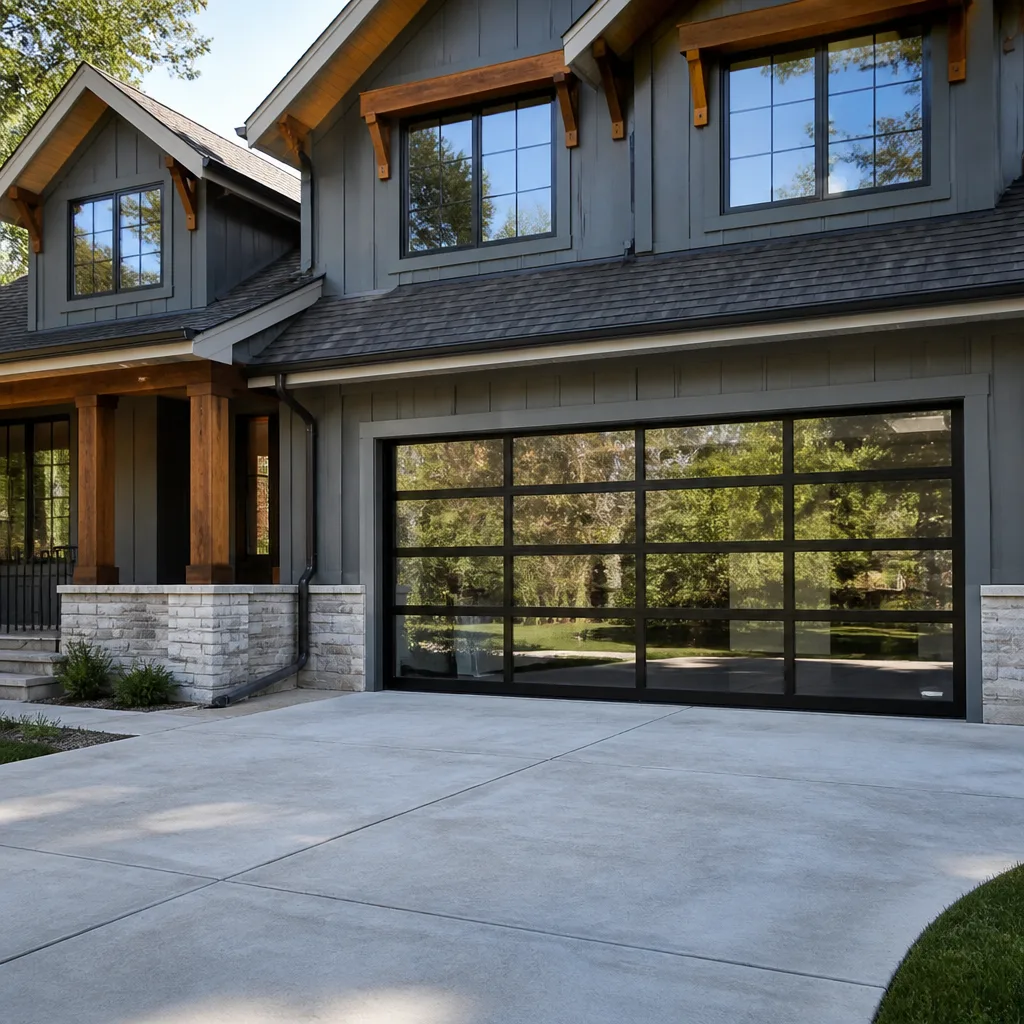 Full-view glass
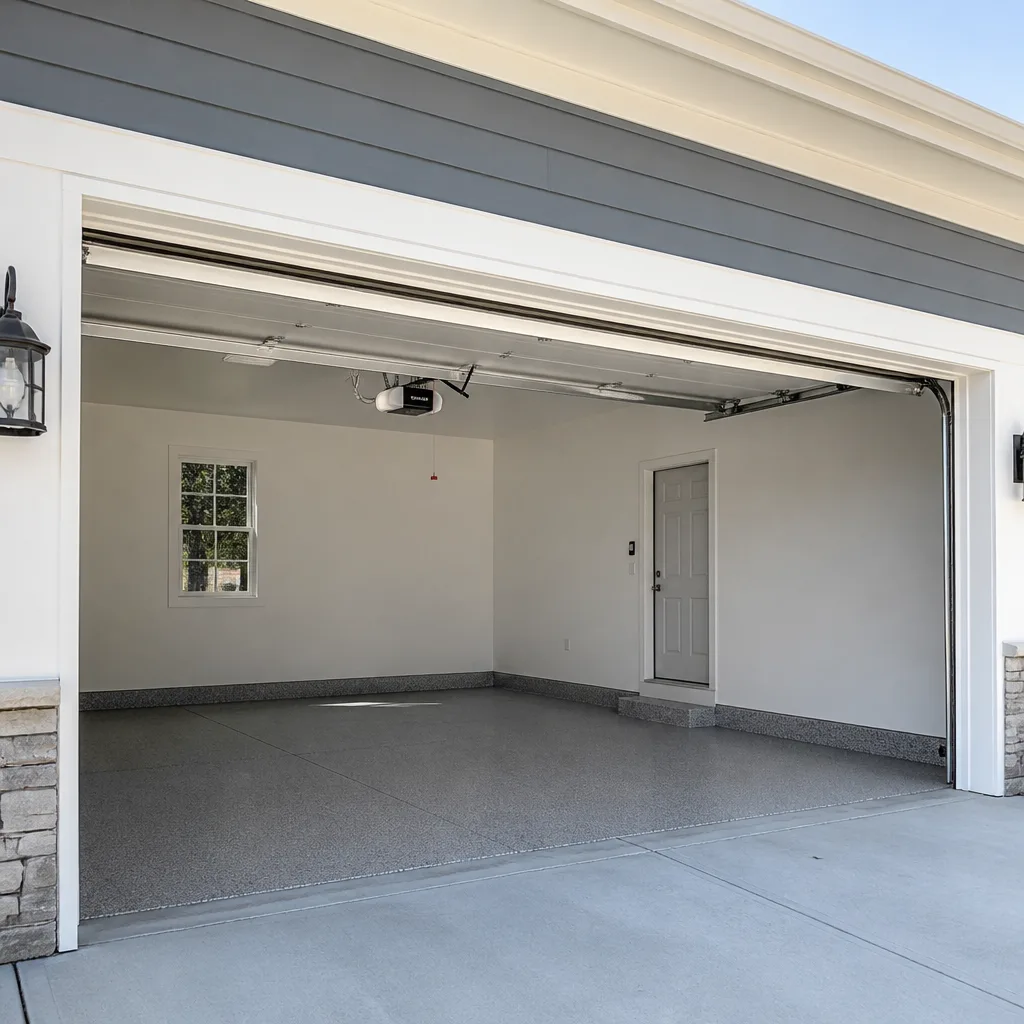 LiftMaster openers
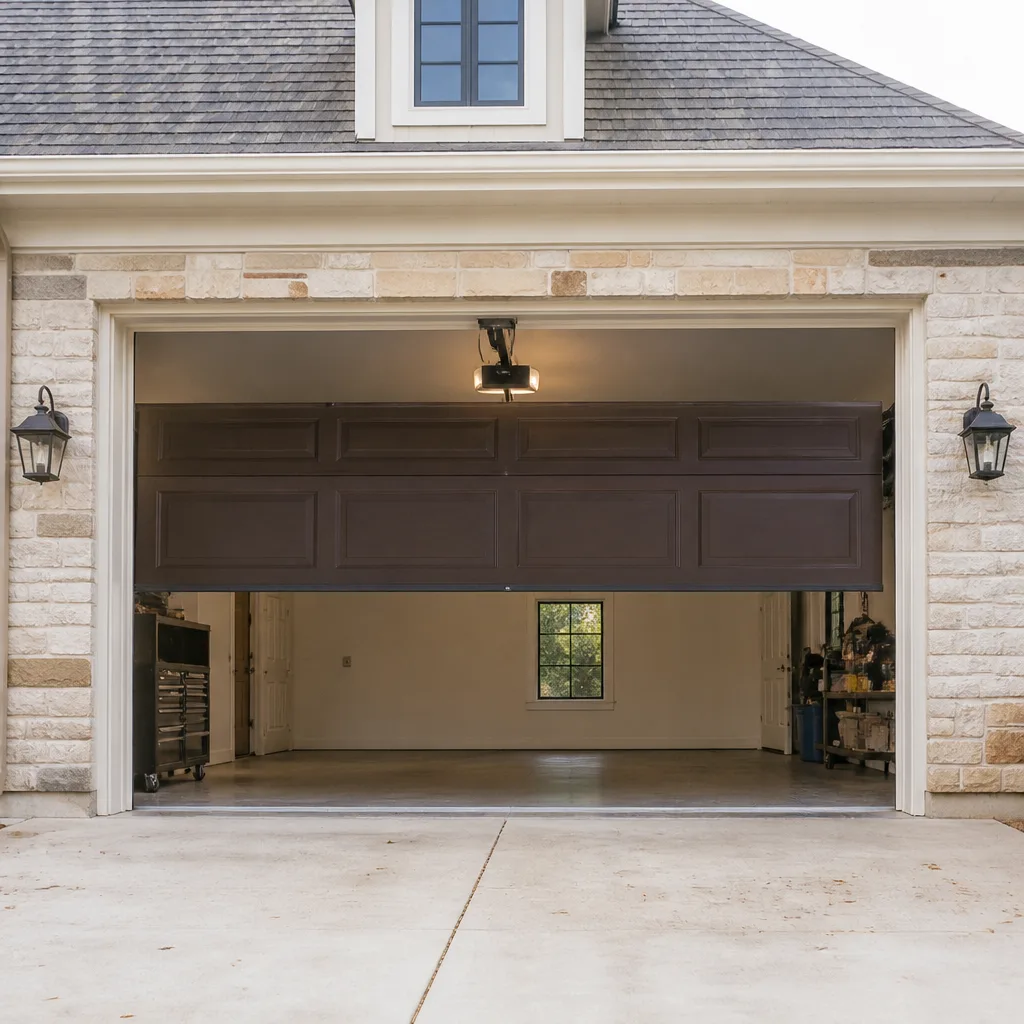 Chamberlain openers
Full 25-point door and opener safety check with every visit - springs, cables, rollers, tracks, and your LiftMaster or Chamberlain opener included
You get a price before we start. It does not change when the pro arrives.
Get your free estimateHow to Hire a Garage Door Contractor in Fairfield: A Step-by-Step Guide
Most homeowners hire a garage door contractor the same way they hire a plumber: the door breaks, they search, they call the first name that comes up, and they book whoever can get there fastest. That approach works fine for a leaky faucet. It fails badly for a torsion spring rated to move a few hundred pounds of door. Garage doors are a specialized trade, and in Fairfield the market is a genuine mix – real specialists, general handymen who take door work on the side, and out-of-area operators who appear after a wind event and vanish once the deposit clears. This guide walks you through vetting a contractor properly: license checks, estimate comparison, parts sourcing, and the red flags that separate a professional from a problem.
Quick Answer
To hire a garage door contractor in Fairfield, verify the contractor’s license number directly through the California State License Board website, confirm they specialize in garage doors rather than general handyman work, and insist on a written estimate that lists parts by model number, labor scope, and warranty terms before any work begins. A legitimate contractor will never pressure you to sign same-day or ask for a deposit before a written estimate is in your hands. If any of those three steps feels rushed, that’s your answer.
Styles & brands we work with
- Raised-panel steel
- Carriage house
- Modern flush
- Full-view glass
- LiftMaster openers
- Chamberlain openers
Table of Contents
- Why a Garage Door Specialist Isn’t the Same as a Handyman
- How to Verify a Contractor’s License in Under Three Minutes
- Red Flags Specific to Fairfield’s Garage Door Market
- What a Legitimate Written Estimate Must Include
- How to Compare Bids Apples-to-Apples
- Why Parts Sourcing Affects How Long a Repair Lasts
- The Questions to Ask Before You Book Anyone
- Fairfield’s Wind Season and What It Means for Your Door
Why a Garage Door Specialist Isn’t the Same as a Handyman
A garage door is a counterbalanced mechanical system, not a hinged panel. The door itself can weigh several hundred pounds, and the springs and cables are what hold it in place. When a spring fails, the door doesn’t gently sag – it drops. That’s why spring and cable work on a garage door in Fairfield is not general handyman territory. It’s a specific skill with a specific set of tools and a specific set of risks.
A general handyman who “also does garage doors” typically has the right drill and the wrong diagnostic training. They can swap a roller or adjust a track. What they often can’t do is identify whether a noise is a worn bearing, a failing spring, or a bent center bracket – and that matters, because fixing the wrong component leaves the actual failure in place. We’ve seen doors come back with the same complaint within weeks because the first visit treated a symptom.
A dedicated garage door company, by contrast, works on these systems every day. Our technicians have up to 13 years of experience and are trained across eight of the major residential brands: LiftMaster, Chamberlain, Genie, Clopay, Amarr, Wayne Dalton, Craftsman, and Raynor. That range matters because the diagnosis is often brand-specific. A Wayne Dalton door’s hardware behaves differently from a Clopay’s, and a LiftMaster opener’s logic board doesn’t troubleshoot the same way a Genie’s does. Knowing the equipment in front of them is the difference between a first-visit fix and a return trip.
We keep our scope narrow on purpose. Fidelity Garage Door Service does residential garage door repair, garage door opener repair, and full installation – nothing else. That single-trade focus means every technician on a job is a garage door specialist, not a generalist who happened to take the call.
How to Verify a Contractor’s License in Under Three Minutes
California requires contractors to be licensed, and the verification is free and immediate. The California State License Board (CSLB) maintains a public lookup at cslb.ca.gov. You don’t need an account, you don’t need to call, and you don’t need to take anyone’s word for it. You need three minutes and the license number.
Here’s the process:
- Ask for the license number in writing. A legitimate contractor will give it to you without hesitation – on the estimate, the business card, or in a text. If they deflect or say “we’re licensed and insured” without the number, treat that as a no.
- Run the number on cslb.ca.gov. The lookup returns the license status, expiration date, classification, and any disciplinary history. A suspended or expired license is a dealbreaker.
- Read the classification. The CSLB issues licenses by class. General building contractors hold a B classification; specialty contractors hold a C classification, and garage door work typically falls under a specialty license. Ask what classification the contractor holds and whether it covers the work being quoted. If the license classification doesn’t match the trade, that’s a mismatch worth questioning.
- Confirm the business name matches. The name on the license should match the name on the estimate and the name on the truck. A license under one name and an estimate under another is a red flag.
One more thing: ask for a certificate of insurance and verify it with the insurer if the contractor can’t produce a current one promptly. A state-licensed contractor carries a license bond as a condition of licensure, and legitimate operators carry general liability insurance as well. Insured and bonded is the standard, not a bonus.
If you’d rather not run the checks yourself before a repair, you can also schedule garage door repair in Fairfield and ask the technician to walk you through their credentials on arrival. A professional won’t mind.
Red Flags Specific to Fairfield’s Garage Door Market
Fairfield sits along the I-80 corridor between the Bay Area and Sacramento, which means the local market draws more than just local contractors. After a significant wind event, the number of door-repair ads that appear within a few days is noticeable, and not all of them are from businesses with a real presence here. Knowing which is which is the whole point of this section.
Watch for these specifically:
- An out-of-area phone number with no Fairfield or Solano County address. Not automatically disqualifying, but it should prompt a question: where is the business actually located, and where do warranty service requests go?
- No verifiable Solano County presence. A business address, a CSLB listing tied to a local region, or a record of consistent local work. A PO box in another county and a phone number is not a local presence.
- Same-day pressure to sign. A legitimate contractor will quote you and let you think about it. Pressure to sign before the end of the visit – especially with a “today only” framing – is a sales tactic, not a construction practice.
- Cash-only deposits requested before any written estimate. The estimate comes first. Always. A contractor who wants money before they’ll put the scope in writing is not someone to hire.
- No warranty terms in writing. If the warranty is verbal or vague, it doesn’t exist. Storm-chasing operations are gone before the warranty would matter – which is exactly why they don’t put it in writing.
- Estimates delivered as a single number with no line items. You can’t evaluate what you can’t itemize. A single figure for “door repair” tells you nothing about parts, labor, or what happens if additional damage is found.
- Reluctance to name the brands they service. A specialist will tell you their brand experience immediately. A generalist will say “we work on everything,” which usually means they’ve worked on nothing in depth.
None of these are fatal on their own. Two or three together, though, and the right move is to keep looking.
What a Legitimate Written Estimate Must Include
A written estimate is the contract’s skeleton. If it’s thin, the job is thin. A proper garage door estimate in Fairfield should be detailed enough that a second contractor could read it and understand exactly what was quoted – which is the test you should apply to every bid you receive.
Here’s what should be on it:
- Parts listed by model number, not just description. “Torsion spring” is not a line item. “Torsion spring, .250 x 2″ x 33″, matched pair” is. The model numbers let you compare bids and verify what’s actually being installed.
- Labor scope in plain language. What’s being adjusted, replaced, or realigned. “Repair door” is not scope. “Replace torsion spring pair, reset cable tension, adjust door balance, test safety reverse” is scope.
- Warranty terms, separately stated for parts and labor. These are different warranty periods and should be written as such. If the estimate says “warranty included” without terms, ask for the terms in writing.
- What is excluded. A good estimate tells you what it doesn’t cover. If the opener needs replacement but isn’t in the quote, the estimate should say so.
- The total price and the payment schedule. What’s due when, and whether any deposit is required.
- The contractor’s license number and business address. These should appear on the estimate document itself.
Critically: the price you agree to is the price you pay. The written estimate is not a starting point for negotiation on the day of the work. It’s the number. If a contractor finds additional damage once they’ve started, they should stop, explain what they found, and get your sign-off on a revised written estimate before continuing. Any contractor who promises a price and then adds items after the work begins is telling you something important about how they operate.
How to Compare Bids Apples-to-Apples
Two bids for the same repair are rarely for the same thing. One includes a matched spring pair and a warranty; the other quotes a single spring, no warranty, and “labor included.” The totals may look similar. The jobs aren’t.
To compare fairly, layer the bids side by side and check each of these against the others:
- Same parts? Same model numbers, same brand tier, same quantity. A single spring replacing a matched pair is a different job than a pair replacement, and the price difference reflects that.
- Same labor scope? One bid might include tuning the door balance and testing the safety reverse after the spring replacement; another might not. Balance tuning is part of a proper spring job.
- Same warranty? A one-year parts warranty and a 30-day parts warranty are not comparable. Ask for the warranty duration in writing on every bid.
- Same diagnostic basis? Did both contractors actually inspect the door, or did one quote from a phone description? A phone quote is a guess. An inspection-based quote is a price.
- Same license and insurance documentation? Both should have provided it. If only one did, the missing one is the problem.
When a bid is significantly lower than the rest, look for what’s missing rather than assuming it’s a better deal. The lowest bid is usually the one with the thinnest scope or the shortest warranty. On a garage door in Fairfield, where the door is opened multiple times a day, a short warranty on a spring is not a saving – it’s a scheduling problem in your future.
Why Parts Sourcing Affects How Long a Repair Lasts
Two springs that look identical can have very different service lives depending on where they came from. This is the conversation most homeowners never have, and it’s the one that most affects how soon they’ll be calling a contractor again.
Original equipment manufacturer (OEM) components are the parts designed and rated for the specific door or opener model. Aftermarket parts are made by third parties to fit the same application. Some aftermarket parts are good. Some are not. The problem is that the difference isn’t visible on the invoice unless the contractor tells you which they’re using.
So ask directly:
- “Are the parts OEM or aftermarket?” Either answer is fine – what matters is that you get one and it matches the estimate.
- “What’s the brand and model number of the parts going in?” A contractor who installs OEM components can name them. A contractor installing whatever the supply house had in stock often can’t.
- “What cycle rating is the spring?” Garage door springs are rated by cycles, and a higher-cycle spring lasts longer. The rating should be in the quote.
- “If the door or opener is under manufacturer warranty, will aftermarket parts affect that?” Sometimes yes. If your door is a Raynor or Amarr under warranty, that’s worth confirming before the work is done.
Brand-agnostic sourcing is one of the reasons we work with so many brands. Our technicians are trained on LiftMaster, Chamberlain, Genie, Clopay, Amarr, Wayne Dalton, Craftsman, and Raynor systems precisely so that the recommendation follows the equipment in front of them, not whatever a preferred supplier wants moved. If your door is a Wayne Dalton and the right fix is an OEM torsion spring, that’s what gets quoted.
The Questions to Ask Before You Book Anyone
You don’t need a long list of questions to vet a contractor. You need the right five or six, asked in the right order, and you need to listen to how they’re answered. A specialist answers them directly. A generalist hedges.
Here’s the shortlist:
- “What’s your license number, and what classification does it carry?” You’re checking that they know it and that it covers the work.
- “Which garage door brands do you work on regularly?” A specialist names specific brands. A generalist says “all of them.”
- “Will you diagnose on-site before quoting?” If the answer is no, the quote is a guess.
- “Are the parts OEM or aftermarket, and what’s the model number?” This should appear in writing on the estimate.
- “What’s the warranty on parts, and separately on labor?” Both numbers should be specific.
- “If you find additional damage, what’s the process?” The right answer is: stop, explain, get written approval, then continue.
- “Do you work on my specific door or opener model?” If your door is a Craftsman and the contractor hasn’t worked on Craftsman hardware, that’s information worth having.
When you book with us, the process works the same way. Call (844) 467-2146. We answer 24/7, fast dispatch from 7am to 7pm, Sunday through Friday, and the estimate is free. The price is quoted and agreed before any work starts, and it doesn’t change on the day.
Fairfield’s Wind Season and What It Means for Your Door
Fairfield sits in a wind corridor – the local pattern includes regular strong wind events that put load on a garage door assembly. A door that’s balanced and running smoothly when the wind is calm can start showing problems when the wind picks up, and the most common symptoms aren’t always intuitive.
What to watch for as a homeowner:
- The door shudders or rattles in the wind. Usually a sign of loosened hardware, worn rollers, or a door panel that’s lost structural stiffness. Not an emergency, but worth inspecting before it gets worse.
- Uneven travel. A door that rises or lowers at one side faster than the other is out of balance. Springs, cables, or track alignment could be involved.
- A loud bang from the garage. That’s often a torsion spring breaking. Stop using the door and call a professional. Do not attempt to operate the door with a broken spring – it can drop.
- The opener strains or reverses unexpectedly. The opener may be compensating for a door problem, or the opener itself may be failing. That’s a diagnostic question, not a replacement decision, until someone looks at it.
Springs and cables store significant mechanical energy, and releasing that energy accidentally is how serious injuries happen. We don’t recommend homeowners attempt spring or cable work at all – this is the specific reason the trade exists. Call garage door opener repair or repair service if you’re seeing any of these symptoms, and have it looked at by a professional.
Common Mistakes to Avoid
- Hiring on price alone. The lowest bid is usually the thinnest scope. Compare model numbers, labor detail, and warranty before you compare totals, or you’re not comparing the same job.
- Skipping the CSLB check. It’s free, it’s fast, and it’s the single most effective filter available. If the license isn’t valid, nothing else matters.
- Accepting a phone quote as a final price. A quote based on a description of the problem is a guess. The written estimate after an on-site diagnosis is the price.
- Signing on the first visit under pressure. A legitimate contractor lets you think it over. A same-day pressure to sign is a sales tactic, and it usually signals a contractor who doesn’t intend to be around for the warranty.
- Letting a general handyman handle spring or cable work. These components are under enough tension to cause serious injury when they fail during a repair. This is not a “figure it out as you go” job.
- Not asking about parts sourcing. OEM versus aftermarket affects how long the repair lasts, and it’s a question most homeowners never think to ask. Ask it before the work, not after.
- Ignoring warranty terms because the price looked good. A short warranty on a spring replacement means you’ll be paying again before the repair’s service life would suggest. The warranty is part of the price.
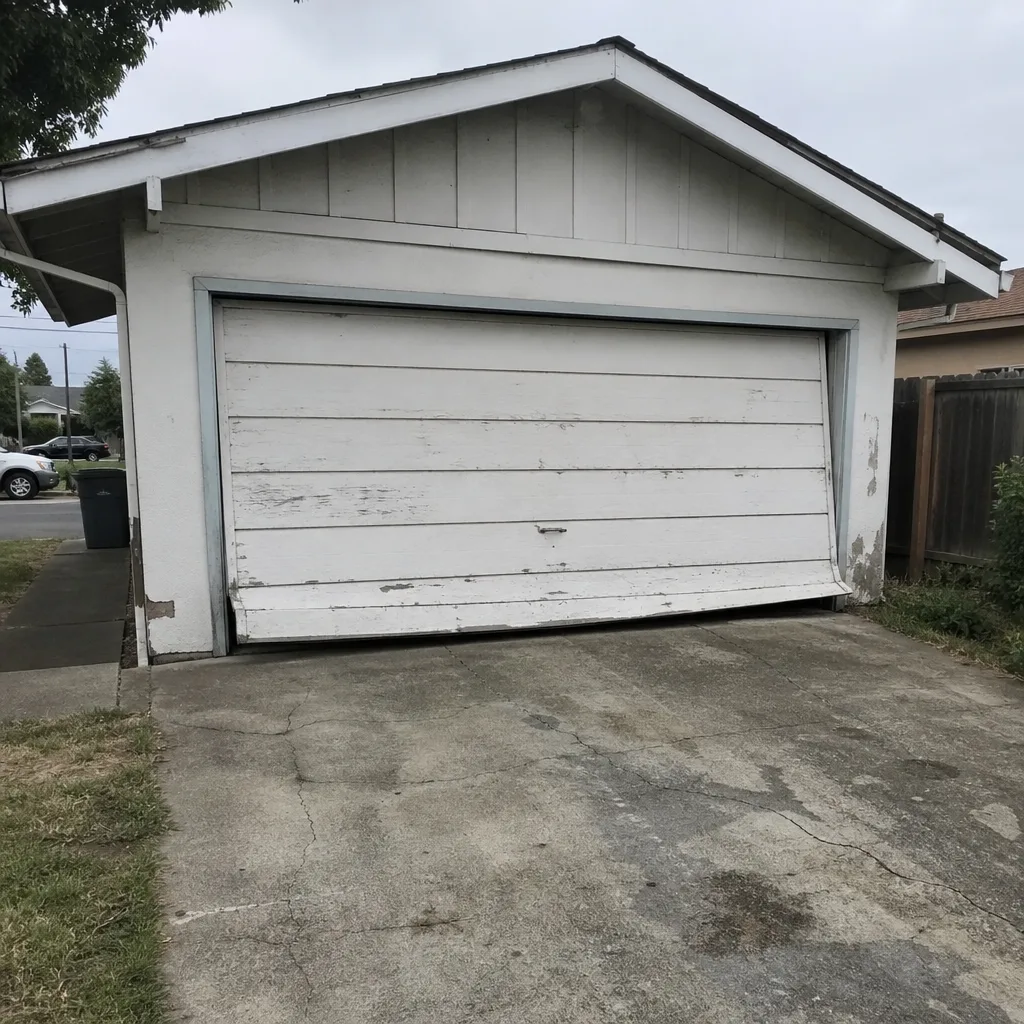
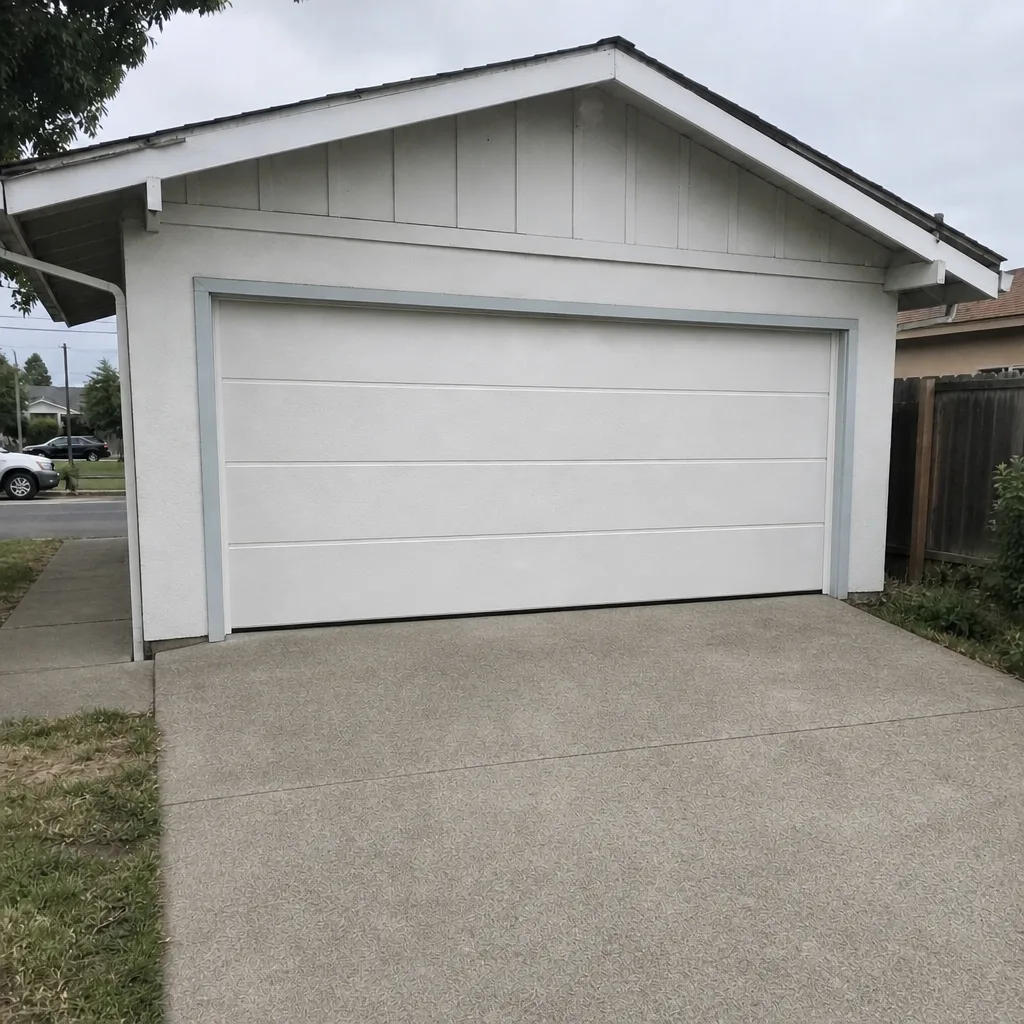
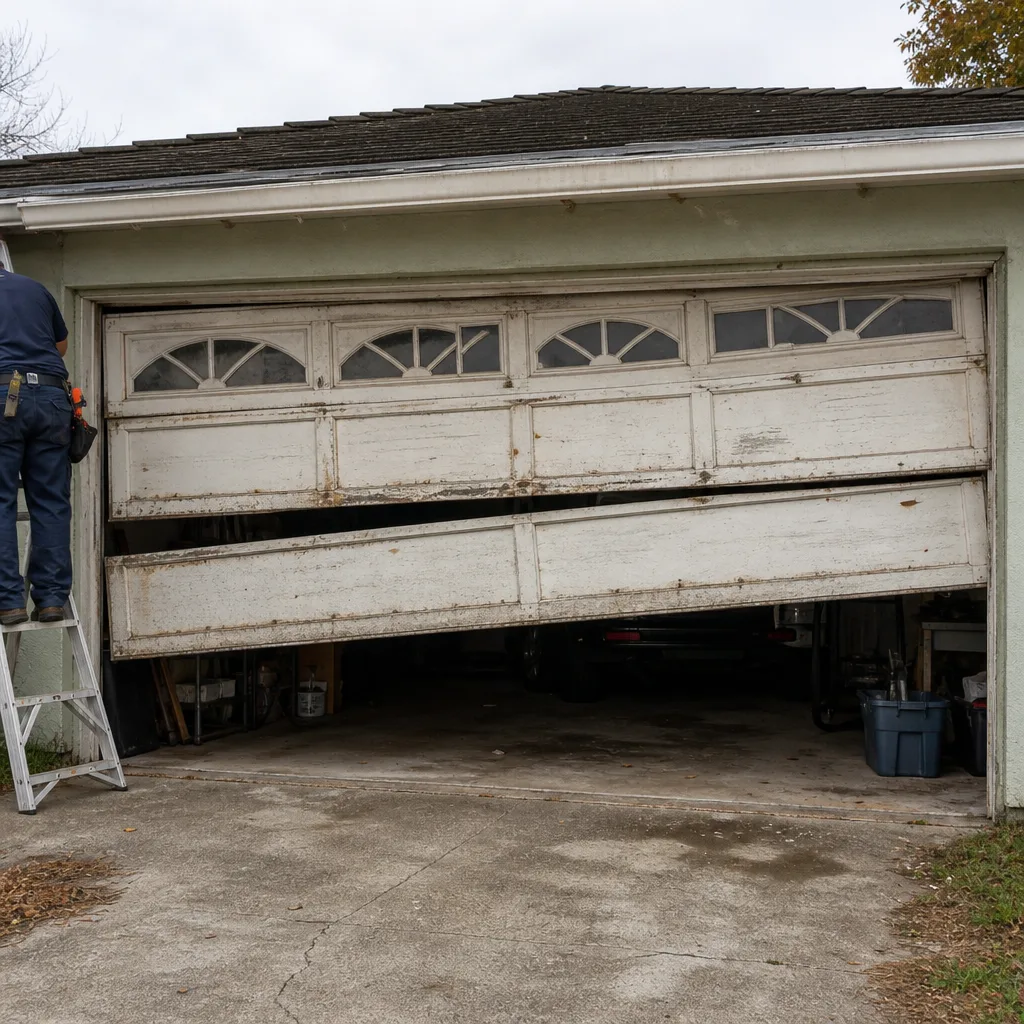
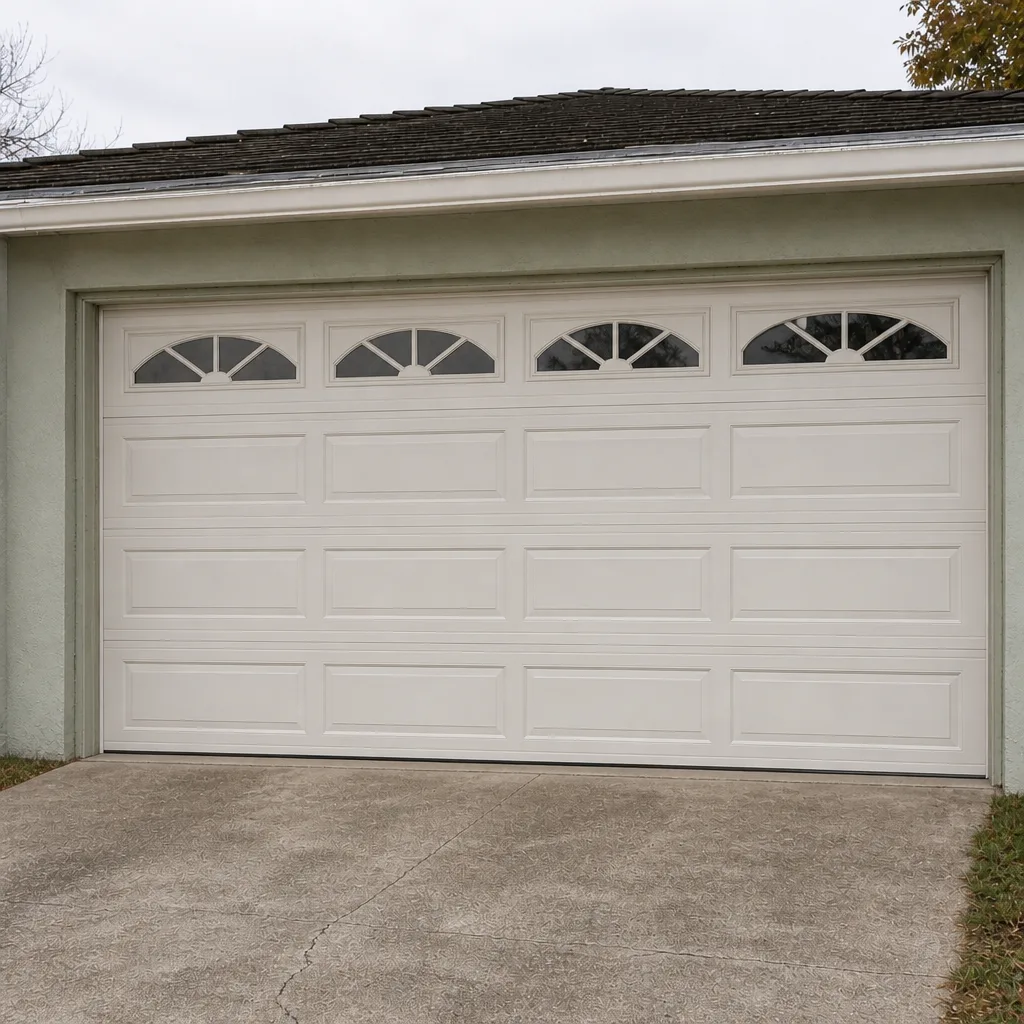
See the difference
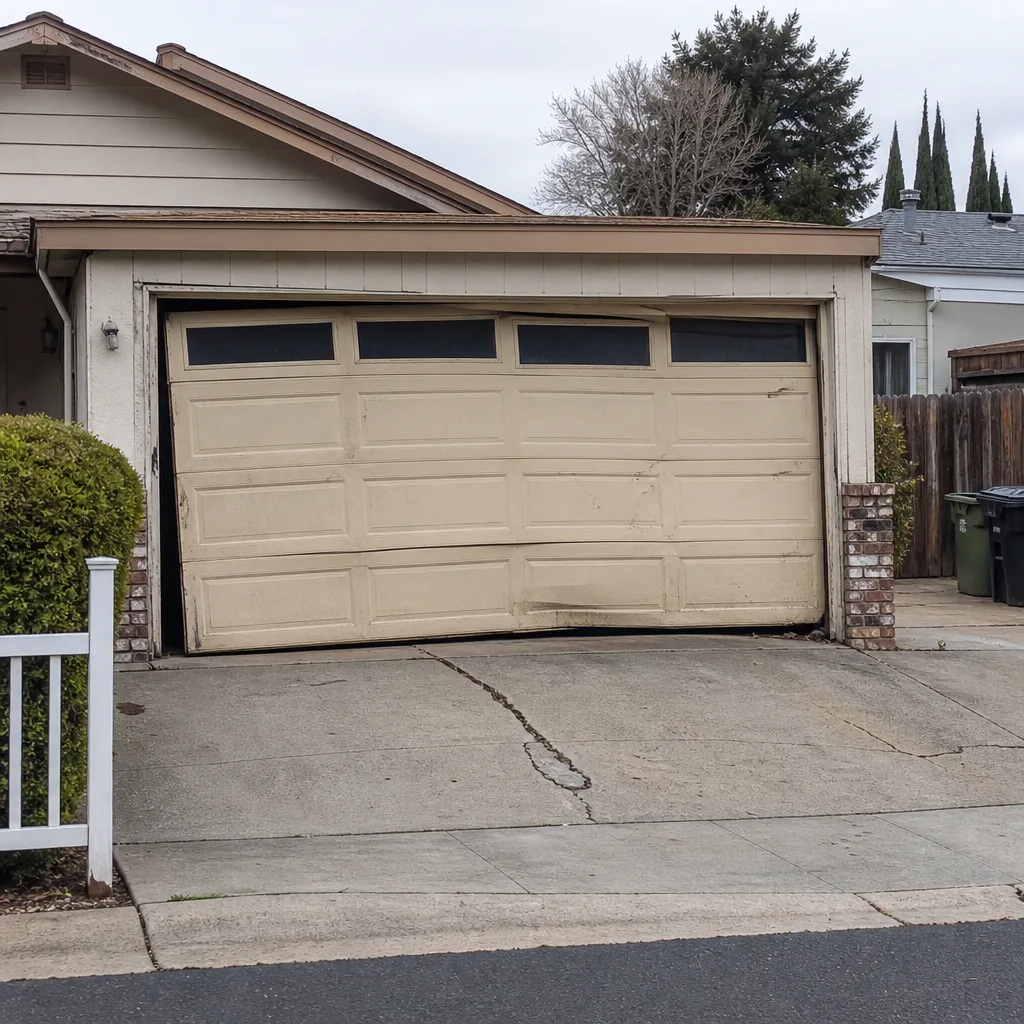 Before
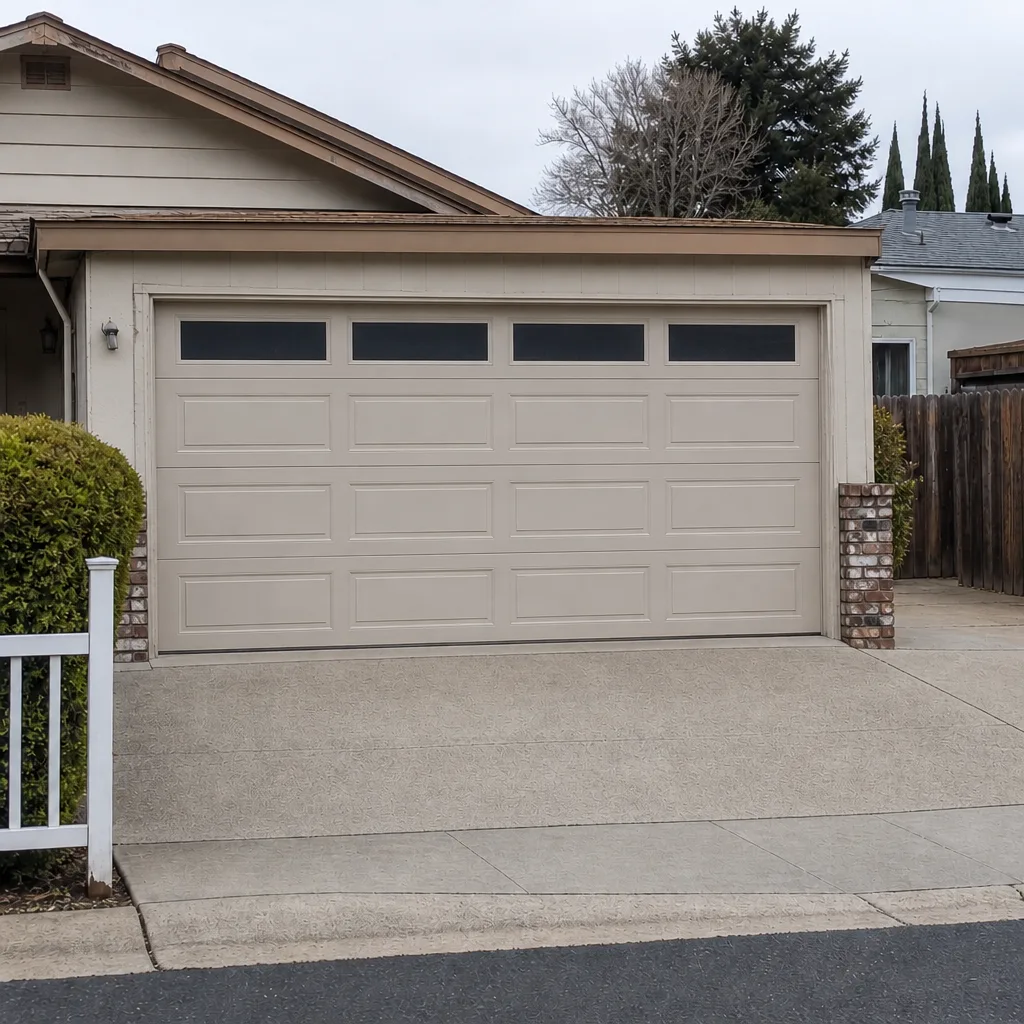 After
 Before
 After
 Before
 After
When to Call a Professional
Some garage door problems can wait a day. Some should not wait an hour. Call a professional immediately if the door has dropped, a spring has broken (you’ll usually hear a loud bang), a cable has snapped, or the door is hanging unevenly from the track. Do not try to open the door manually if the spring is broken – the door may fall.
Schedule a professional for anything involving springs, cables, torsion hardware, opener logic boards, or track realignment. These are the components where the garage door trade exists as a trade, and where a wrong diagnosis costs you a second visit at minimum. Fidelity Garage Door Service offers free estimates in Fairfield – call (844) 467-2146. We answer 24/7, fast dispatch from 7am to 7pm, Sunday through Friday. If you need scheduled work like a full installation or opener replacement, we’ll measure and quote it in writing, then book it.
Frequently Asked Questions
Under three minutes. Look the license number up on cslb.ca.gov and check the status, expiration, and classification. The lookup is free and doesn’t require an account. If the license is suspended, expired, or the classification doesn’t match the work being quoted, don’t hire the contractor. Call (844) 467-2146 for an exact quote – estimates are free.
Not the way a licensed specialty contractor can. Garage door spring and cable work falls under specialty contractor licensing, and a handyman operating outside that license isn’t the right person for a high-tension spring replacement. The risk isn’t just legal – a spring that releases during a poorly executed repair can cause serious injury. Call (844) 467-2146 for an exact quote – estimates are free.
A proper estimate lists parts by model number, states the labor scope in plain language, gives separate warranty terms for parts and labor, and names what’s excluded. It should carry the contractor’s license number and business address. The price on the written estimate is the price you pay – it isn’t a starting point. Call (844) 467-2146 for an exact quote – estimates are free.
Because some of those contractors aren’t local. Storm-chasing operators follow weather events and leave before warranty issues surface. Signs include out-of-area phone numbers, no verifiable Solano County address, and pressure to sign same-day. A contractor with a local presence and a written warranty is a safer hire. Call (844) 467-2146 for an exact quote – estimates are free.
Yes, it affects how long the repair lasts. OEM parts are made to the door or opener manufacturer’s specification; aftermarket parts vary in quality. Ask which the contractor uses, and ask for the model number in writing on the estimate. A contractor who stocks OEM components can name them on the quote. Call (844) 467-2146 for an exact quote – estimates are free.
A specialist works on garage doors and openers full time, which means they diagnose by brand and model rather than by guesswork. A general contractor handles a wider range of work and often treats garage door repair as a side job. For spring, cable, or opener work on a Fairfield home, the specialist is the right hire. Call (844) 467-2146 for an exact quote – estimates are free.
The Bottom Line
Hiring a garage door contractor in Fairfield comes down to four checks: verify the license on CSLB, confirm the contractor specializes in garage doors, demand a written estimate with model numbers and warranty terms, and compare bids on scope rather than price alone. Do those four things and you’ll filter out the handymen, the storm-chasers, and the contractors who quote high and invoice higher. The door is a mechanical system with real stored energy in it. Hire accordingly. Fidelity Garage Door Service handles repair, opener repair, and full installation on the eight major residential brands, and the estimate is always free. Call (844) 467-2146 to get started.
Written by the team at Fidelity Garage Door Service.