
Last updated November 15, 2026
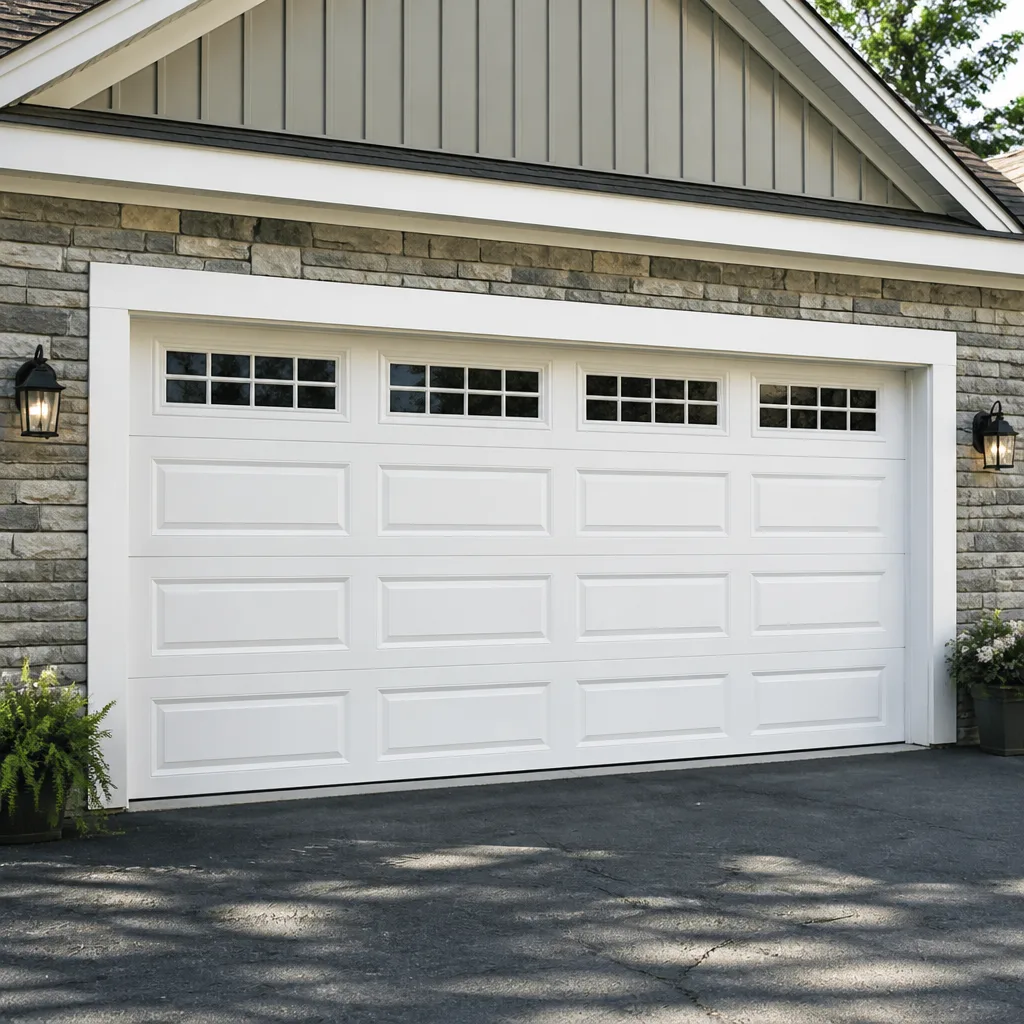 Raised-panel steel
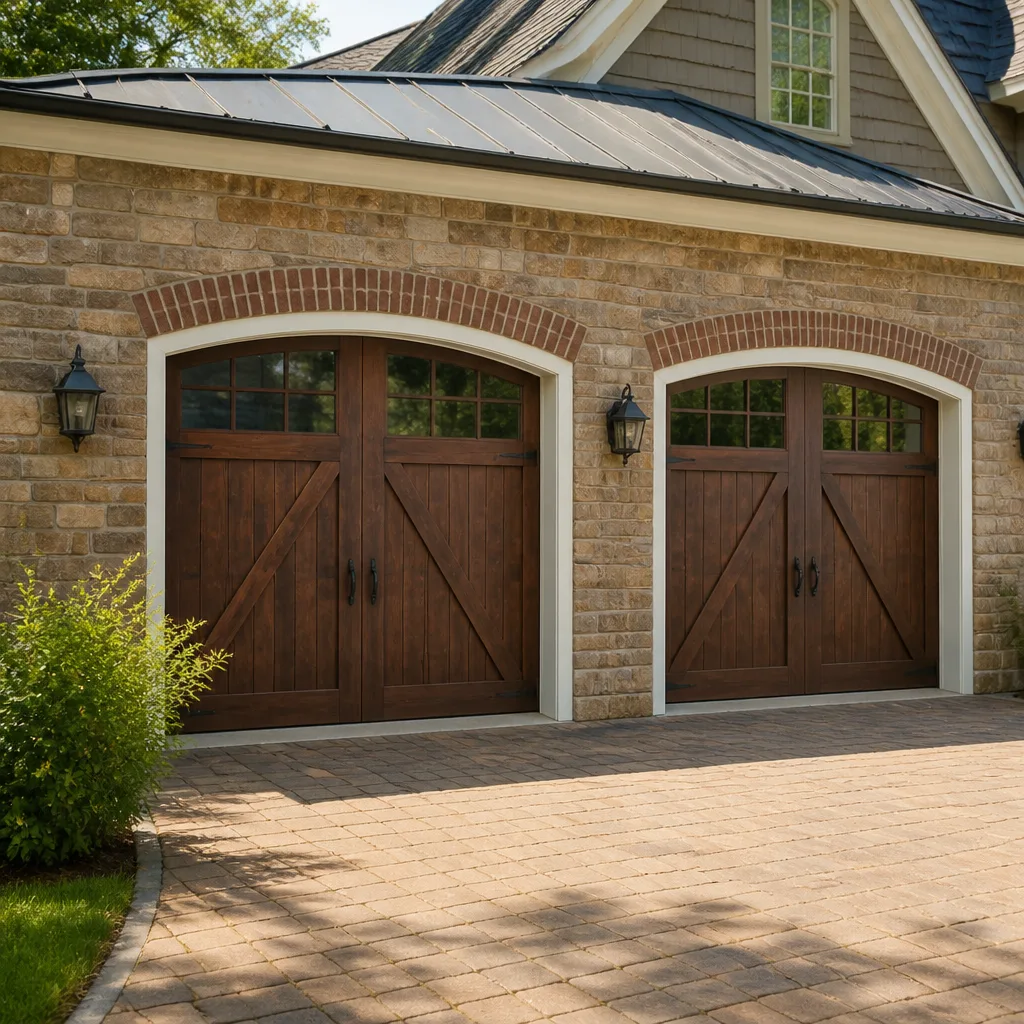 Carriage house
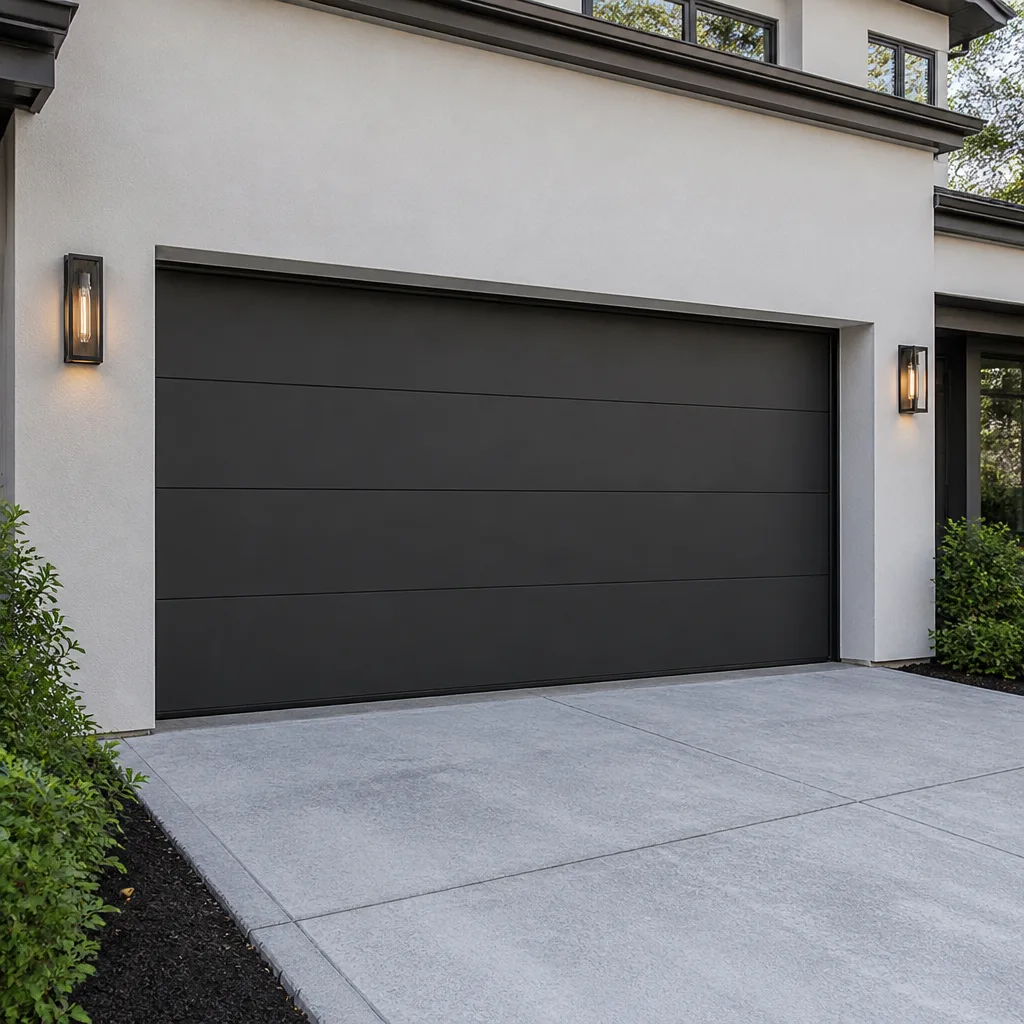 Modern flush
 Full-view glass
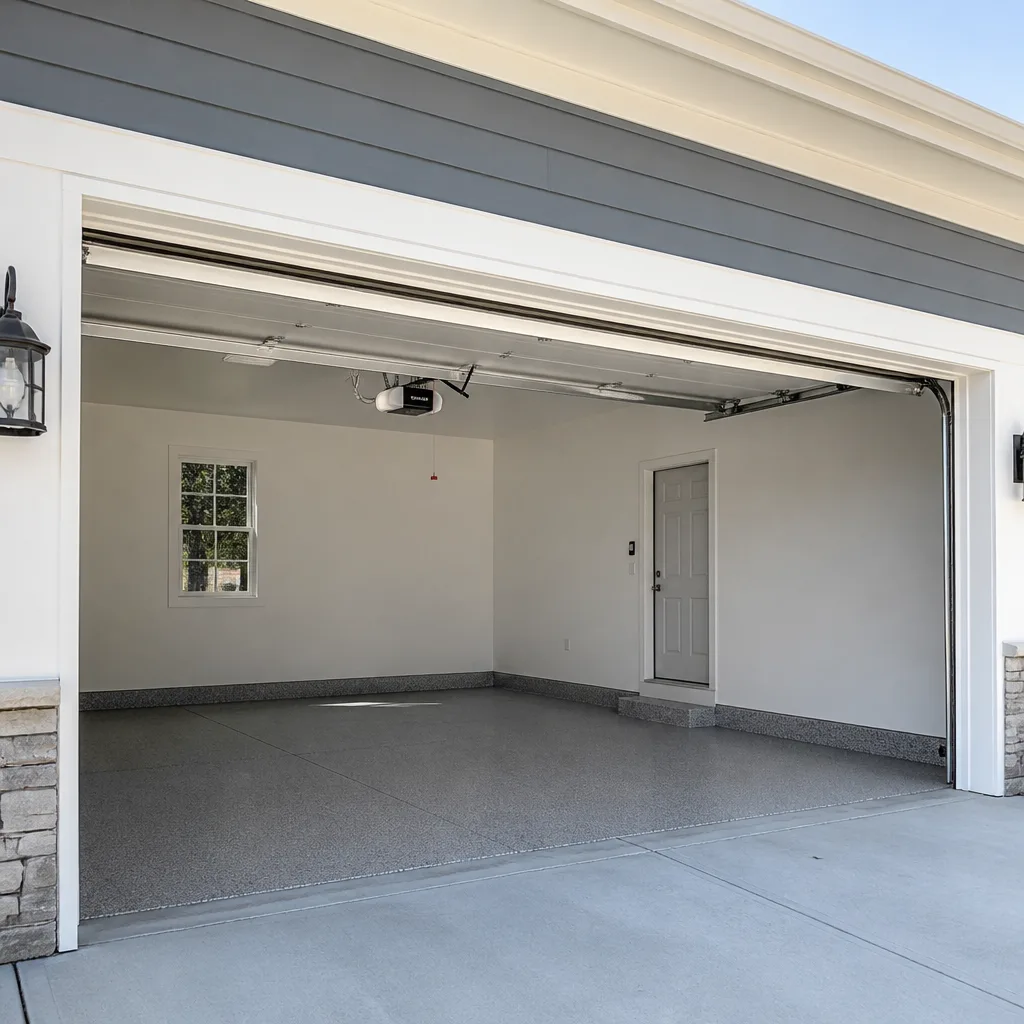 LiftMaster openers
 Chamberlain openers
Full 25-point door and opener safety check with every visit - springs, cables, rollers, tracks, and your LiftMaster or Chamberlain opener included
You get a price before we start. It does not change when the pro arrives.
Get your free estimateSeasonal Garage Door Care for Fairfield: Year-Round Homeowner’s Guide
Spring is when garage door springs fail most often in Fairfield, and the reason isn’t spring weather. It’s everything that came before. The mild, wet winter months have already worked the metal through thousands of expansion and contraction cycles, and the first sustained hot stretch delivers the final load. A spring that felt fine in January can let go on the first genuinely warm afternoon. Homeowners tend to blame the heat, or assume the door is simply old, and most people wait for the bang before they think about maintenance at all. This guide walks through each phase of the Fairfield year, what it does to your door and opener, and the small checks that catch wear before it becomes a repair. You’ll learn which tasks belong to which season, why a generic quarterly schedule misses the point here, and when to stop inspecting and call a technician.
Quick Answer
Garage door care in Fairfield should follow the local climate, not a fixed calendar. Late winter and early spring are when you inspect springs and track for heat-related wear, summer is when you watch for panel expansion, weatherstrip compression and opener overheating, fall is for seal and bracket checks ahead of wind season, and winter is for rust control and water intrusion. Most of these are visual checks you can do yourself. Anything involving springs, cables or opener internals belongs with a trained technician.
Styles & brands we work with
- Raised-panel steel
- Carriage house
- Modern flush
- Full-view glass
- LiftMaster openers
- Chamberlain openers
Table of Contents
- Why a Generic Maintenance Schedule Doesn’t Fit Fairfield
- Spring Is Peak Failure Season: Reading the Warning Signs
- Summer Protocol: Heat Expansion, Seals and Opener Protection
- Fall Wind-Event Prep Before the Diablo Winds
- Winter Wet-Season Care: Rust, Lubrication and Water Intrusion
- Post-Winter Inspection and Resetting the Whole System
- Agricultural Dust, Tracks and the Local Grime Cycle
- Battery Backup Testing for Real Outage Patterns
- Common Mistakes to Avoid
- When to Call a Professional
- Frequently Asked Questions
- The Bottom Line
Why a Generic Maintenance Schedule Doesn’t Fit Fairfield
Fairfield doesn’t have four equal seasons. It has a long, hot, dry summer stretch that can push past 100°F on the worst days, a short but genuinely windy fall, a mild winter that stays wet for weeks rather than freezing hard, and a spring that arrives fast and loads the door with everything the winter left behind. A national maintenance checklist written for a cold-weather climate spends its time on ice and snow. Written for a hot dry climate, it worries about dust and sun. Neither fits here, because Fairfield is a mix of all of it in an order those checklists don’t account for.
What that means in practice is that the stresses on your door come in a particular sequence. Steel panels grow and shrink across the day as temperatures climb and drop. Lubricant thins in summer heat and stiffens in winter cool. Wet weather pushes moisture at the floor seal, and dry windy weather pulls grit into the tracks. Each of those problems has a right moment to catch it. Miss that moment and the symptom shows up somewhere else, months later, as a spring that breaks or an opener that grinds.
Our technicians have up to 13 years of experience and we’ve watched this pattern repeat across the brands most common in Fairfield garages, from LiftMaster openers to Wayne Dalton and Raynor doors. The system you’re caring for has a rhythm here. This guide is about matching your checks to that rhythm.
Spring Is Peak Failure Season: Reading the Warning Signs
Torsion and extension springs are under constant load, and that load changes as the door moves and as the metal itself responds to temperature. Over a winter of mild, wet weather, the door goes up and down with the panels expanding and contracting at different rates, the springs cycling against a slightly changing load each time. The metal fatigues. It doesn’t fail gradually in a way you can see; it goes from fine to broken. The first hot days of spring, when temperatures climb quickly, are when most emergency calls about broken springs come in.
You can’t inspect a spring the way you’d inspect a tire. What you can do is watch for the behaviors that mean a spring is close to failing or has failed:
- The door feels much heavier when you lift it by hand (only with the opener disconnected, and only if you can do it safely without reach or strain).
- The opener strains harder than usual, runs longer, or reverses partway up.
- The door comes down faster or harder than before.
- You hear a sharp bang from the garage and afterward the door won’t lift, or lifts crooked.
- A visible gap in the coil of a torsion spring, or an extension spring that has visibly stretched longer.
Here is the part that matters most: garage door springs and the cables attached to them are dangerous. They’re under very high tension, and if you try to unload, adjust or replace one without the right tools and training, the release can cause serious injury. Symptoms you can watch for are not an invitation to fix them yourself. If you spot any of the signs above, stop using the door and get a trained technician to look at it. A spring can be inspected and replaced safely, and the door should stay shut until it is.
This check belongs at the end of winter and the start of the hot stretch, before the first long string of warm days. Catching fatigue earlier than that is hard – springs don’t announce themselves – but it’s the time to have a technician assess them if your door has been sounding or feeling different.
Summer Protocol: Heat Expansion, Seals and Opener Protection
When temperatures push past 100°F, the garage becomes one of the hottest spaces on the property, and the door is doing more work than the number on the opener suggests. Three things need attention during this stretch.
Steel panel expansion
Metal panels grow as they heat and shrink back as the evening cools. Over a day that swings forty degrees, the door flexes subtly along its seams and hinges. On a door that’s been neglected, you may hear a light popping or creaking as it heats. Those sounds are usually harmless, but they’re a sign the door is working against a little more resistance than it should. Keeping hinges and rollers lubricated through the summer reduces the strain. If a hinge looks bent or a roller is sticking, that small problem amplifies as the door expands and contracts every day, so it’s worth putting right before it puts strain on the opener.
Weatherstrip compression failure
The rubber or vinyl seal along the bottom of the door and around the edges does two jobs: it keeps weather out and it cushions the door against the floor on the way down. In summer heat, the material softens and compresses further under the weight of a closed door. Over time it takes a set and stops springing back. You’ll notice a visible flattening, a piece that has torn, or daylight showing under a closed door. A worn bottom seal also invites water in during the wet season, so replacing it in late summer protects the winter months as well.
Opener thermal protection
Openers have built-in protection against overheating in the motor. On a hot day, a unit that’s been working against a stiff or unbalanced door can reach that limit, slow down, or stop responding until it cools. If your LiftMaster or Craftsman opener has been sluggish on the hottest afternoons, the cause is often the door’s balance and friction rather than the opener itself. This is one of the recurring reasons we get called for garage door opener repair in July and August. A technician can check balance, friction and travel in one visit and tell you whether the opener is failing or the door is simply fighting it.
Do not bypass the opener’s thermal limit or run it repeatedly to force the door up. That protection exists to prevent motor damage.
Fall Wind-Event Prep Before the Diablo Winds
Fairfield’s fall brings wind events that arrive quickly and hit hardest on the exposed sides of a house. A garage door is a large flat surface, and a well-sealed door catches a lot of wind pressure. The work you do in fall is about making sure the door is held firmly and safely before those events arrive, not scrambling after the first gust.
Check these three things in early fall:
- Bottom seal integrity. Run your hand along the bottom of the closed door and look for gaps, tears or a seal that has flattened past its spring. A good seal sits tight against the floor with no daylight anywhere along its length. If it’s worn, replace it now, before wind-driven rain and grit have a chance to get underneath.
- Auto-reverse sensitivity. The door should reverse on contact with a small obstruction. The standard test is a roll of paper towels laid flat in the door’s path: close the door with the opener and confirm it stops and reverses without crushing the roll. Test the safety sensors mounted at the floor too – block one beam with your foot and check the door won’t close. If the door doesn’t reverse cleanly, the opener’s force settings or the sensors need adjustment by a technician.
- Bracket torque. The brackets that anchor the tracks and the door to the framing take the load in a wind event. Firmly but gently check that they’re tight and that nothing is cracked, rusted or pulling away from the wood. Don’t over-tighten – an over-cranked bolt can crack a bracket, which is worse than a slightly loose one. If any bracket looks damaged or the framing around it is soft, leave it to a technician.
Wind events also drive grit and debris into the tracks. Clear leaves and dirt from the track channels after a strong blow, and don’t force a door that has jumped a track – that’s a repair, not a maintenance task.
Winter Wet-Season Care: Rust, Lubrication and Water Intrusion
Fairfield’s winters are mild but wet. That means the garage door spends several months going up and down in humid air, and the problems that show up are tied to moisture rather than cold. Rust, sticky lubrication and water creeping in at the floor are the three things to watch.
Rust inhibition on hinges and springs
Look at the hinges, roller mounts and the spring hardware for any orange-brown bloom or pitting. Small surface rust on a hinge pin is easy to stop; rust that has pitted a spring does not go away and shortens its life. Wipe off any visible rust, and keep a light protective film on the moving metal through the wet months. This is preventive care, not a repair – if the rust has gone deep, the part needs replacing.
Lubrication viscosity in cooler temperatures
Lubricant that was right in August can stiffen in the cooler winter air. A product that gets tacky in the cold makes the door run harder, putting load on the opener. Keep the hinges, rollers and track surfaces lightly lubricated with a lubricant made for garage door hardware – not heavy grease and not WD-40, which loosens dirt more than it protects. A quick pass at the start of the wet season and a second one partway through keeps the door running evenly in cool weather. Do not spray lubricant onto a torsion spring that’s under tension – leave the spring to the technician.
Water intrusion at the floor seal
Winter rain finds the lowest point, and that’s the seal at the floor. A worn bottom seal, or one that doesn’t sit flat across the concrete, lets water pool and creep under the door, which is where the rust cycle starts. If the garage floor slopes toward the door like most do, this matters. Check the seal for gaps after the first real rain of the season. If water’s getting in, the seal or the floor contact needs fixing now rather than after the wet season has done its damage. Check the side seals and the top seal too, since water can come in at any edge that isn’t tight.
Post-Winter Inspection and Resetting the Whole System
By the time the wet season is over, the door has been through months of swelling and shrinking, cycling in cooler air, and a few wind events. This is the moment for the yearly reset – the one pass that gets everything back in line before summer heat arrives. Do it in this order:
- Walk the full door. With the door closed, run your eyes and hands along the panels, hinges, rollers and tracks. Note anything bent, loose, rusted or visibly worn.
- Check the balance. With the opener disconnected, lift the door about halfway by hand and let it go. A properly balanced door should stay near where you left it. If it slams down or sags, the springs or cables need attention – and at that point you stop and call a technician.
- Inspect springs for fatigue. Note any visible gaps or stretching, and any change in how the door feels. If the door has been running harder than it did last year, treat the springs as suspect.
- Test auto-reverse and sensors. Run the paper-towel test and the sensor beam test again, since the winter may have shifted the adjustments.
- Reset opener travel limits. Temperature swings over the winter can drift the opener’s travel settings. The door should reach the floor without compressing the seal hard, and stop at the top without straining. If the travel has drifted, re-set it – check your opener’s manual, and if the adjustment doesn’t hold, the opener is telling you something needs fixing.
- Clean the tracks and lubricate. Wipe the track channels clean and lubricate the moving points with the correct product.
- Replace anything worn. Seals, rollers and hinges are wear items – if they show damage, replace them now rather than waiting for the next season to force the issue.
This is also the right moment to arrange a technician inspection if you’re not confident working near the springs or the opener internals. A free estimate visit is a good time to get a second set of eyes on the door before summer.
Agricultural Dust, Tracks and the Local Grime Cycle
Fairfield sits close enough to working farmland that dust is part of the picture. Along the windy stretches, fine agricultural dust settles on anything flat, and the garage track channels collect it along with leaves, grit and insect debris. Over a season, that grit turns into a sticky paste on the track surface, and the rollers grind through it every time the door moves. It’s one of the commonest things we find when we open up a door that’s been running rough.
Cleaning the tracks is a simple job, done carefully:
- Wipe out the channel with a slightly damp cloth, running it the full length of the track.
- Don’t use a sharp tool to scrape the track – a scratch becomes a rust point.
- Wipe down the rollers too, but don’t remove or pry at a jammed roller.
- Re-lubricate lightly. Too much lubricant attracts more dust, so a thin film is better than a heavy coat.
If the door has been jumping, sticking or running unevenly in the tracks, stop using the opener on it. A door that’s off its track can fall, and it will also strain the opener you’re relying on. Straightening a door on its track is a repair for a technician; the cleaning is the part the homeowner can do.
The dust also works its way into the opener’s mechanism and weatherstrip edges. A quick visual check when you wipe the tracks down, and a reminder to look at the seals and hinges at the same time, saves a lot of trouble later. It’s the reason a simple cleaning routine in Fairfield pays off more than it would in a place without the dust.
Battery Backup Testing for Real Outage Patterns
Many openers installed in the last several years include a battery backup, so the door still works during a power cut. The manufacturer often recommends a specific interval for testing, and owners follow it without thinking. The problem is that the right interval depends on your actual outage pattern. In areas where the grid is steady, batteries sit untested for long stretches and quietly discharge. Where outages happen more often, the right interval is shorter, and the test needs to be a real one, not just pressing a button that shows a light.
A proper battery check is simple:
- Confirm your opener has a battery backup – LiftMaster and Chamberlain units commonly do, and the manual will tell you.
- Open the door with the opener and listen for the unit switching to battery power.
- Run the door a few times on battery and see if the motor sounds weak or the door moves slower than normal.
- Replace any battery that no longer holds a charge. A backup you can’t rely on isn’t a backup.
If you’ve had outages at your place over the past year, write the dates down and note how long they lasted. It’s a more useful guide to your battery condition than any fixed calendar. When there’s a real outage, the last thing you want is to find out the backup was flat. Don’t rely on the indicator light alone – test it properly, and if you’re not sure how, a technician can check the battery during any service visit. If you’re in an area where outages are common, a short test at the start of each season makes sense, and if your check turns up more than a flat battery, we can handle the garage door repair side of it too.
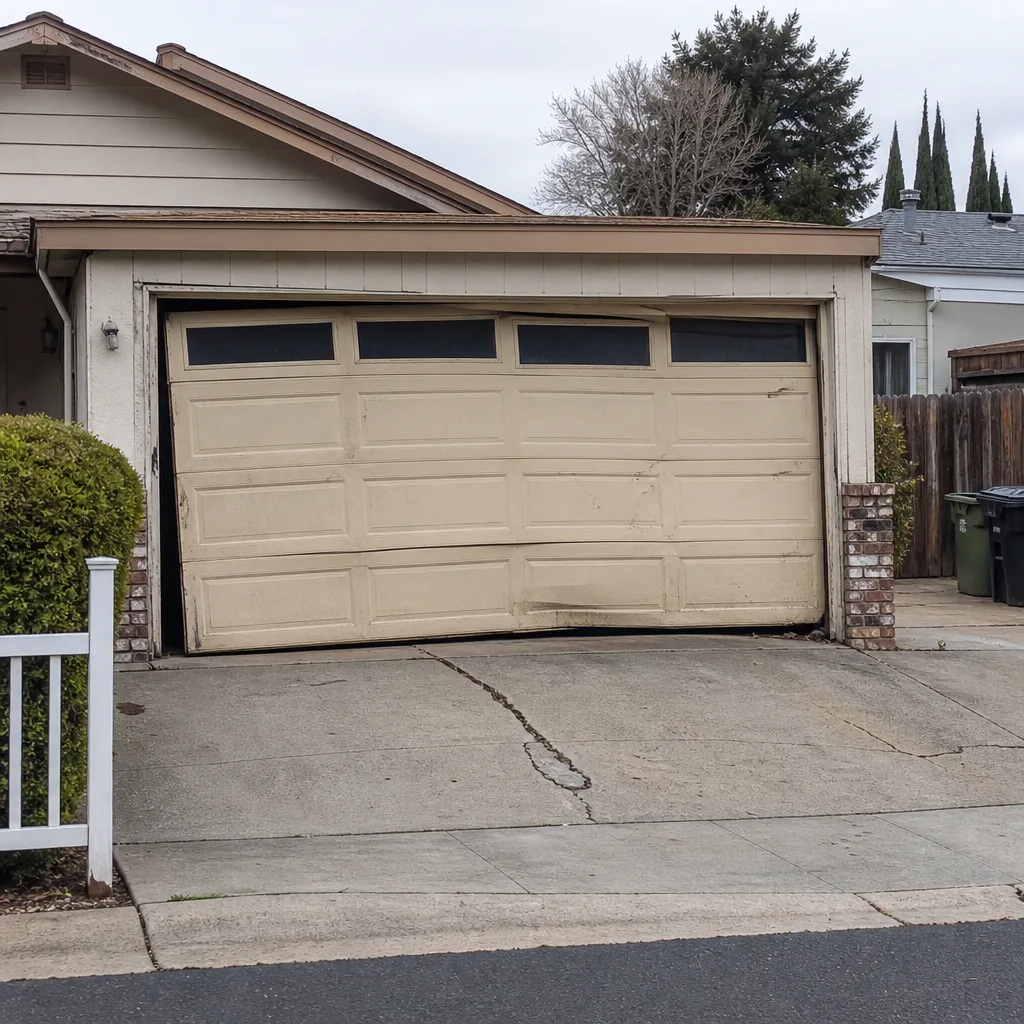
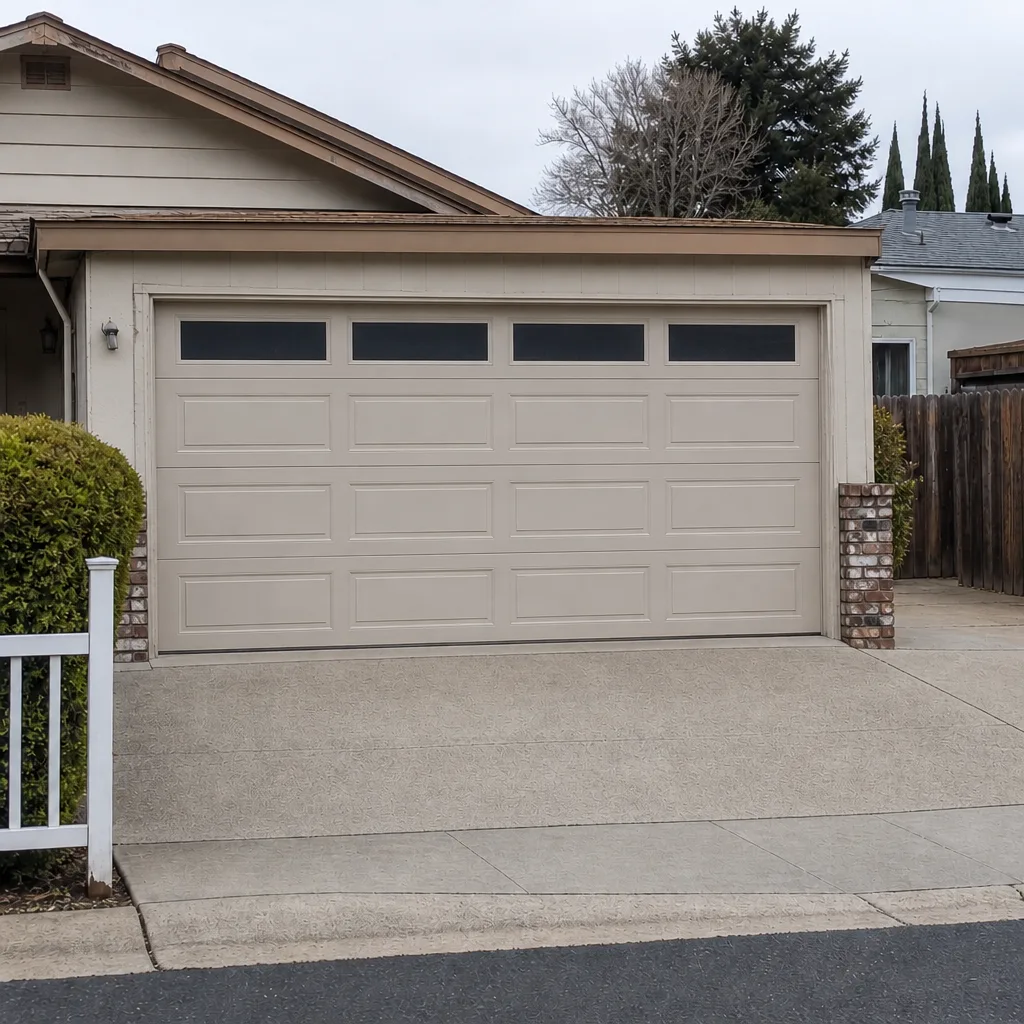
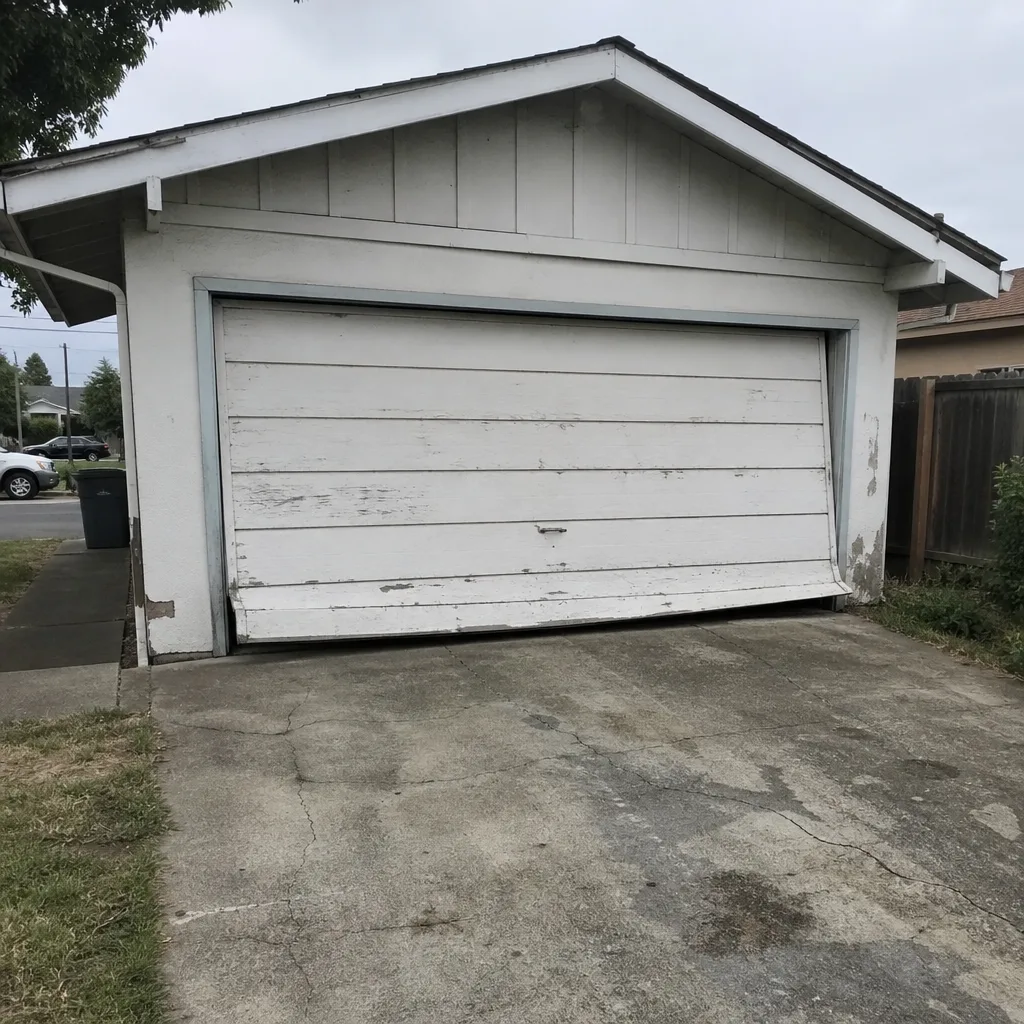
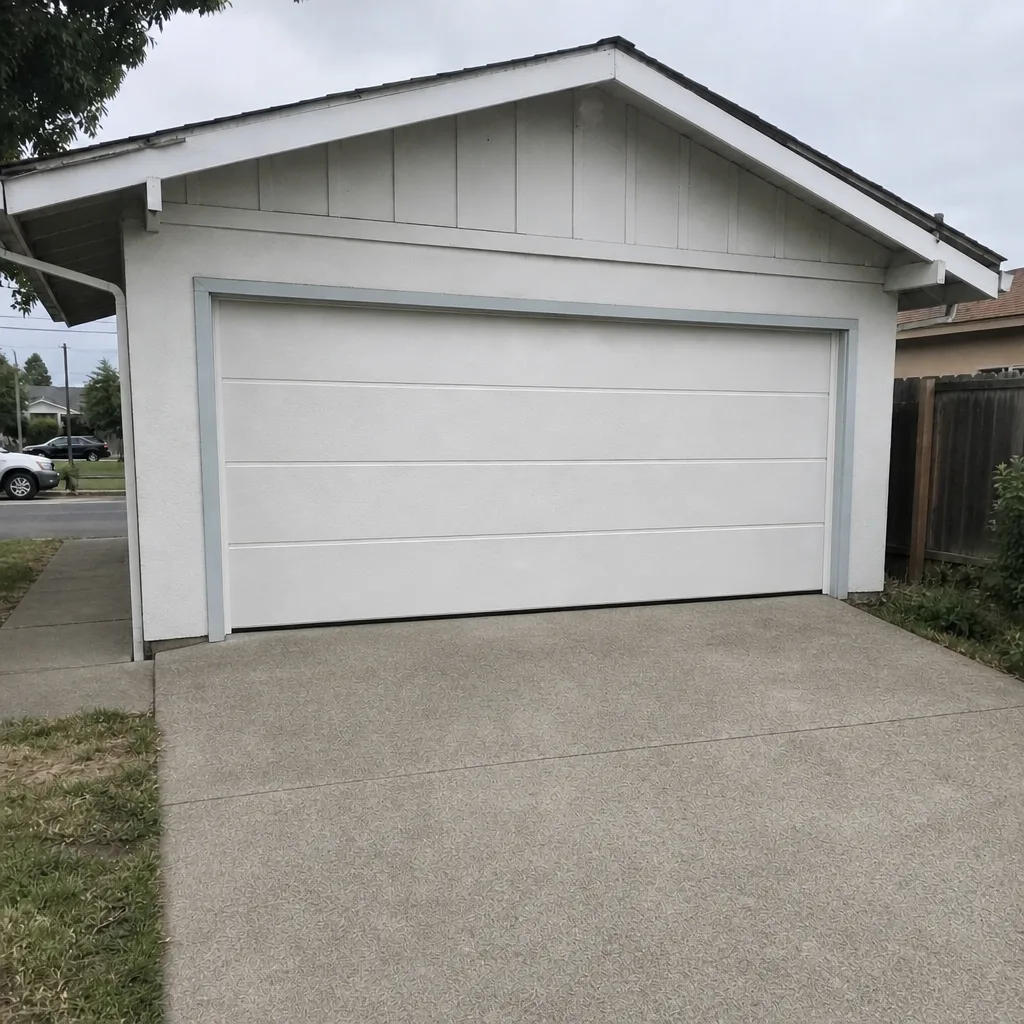
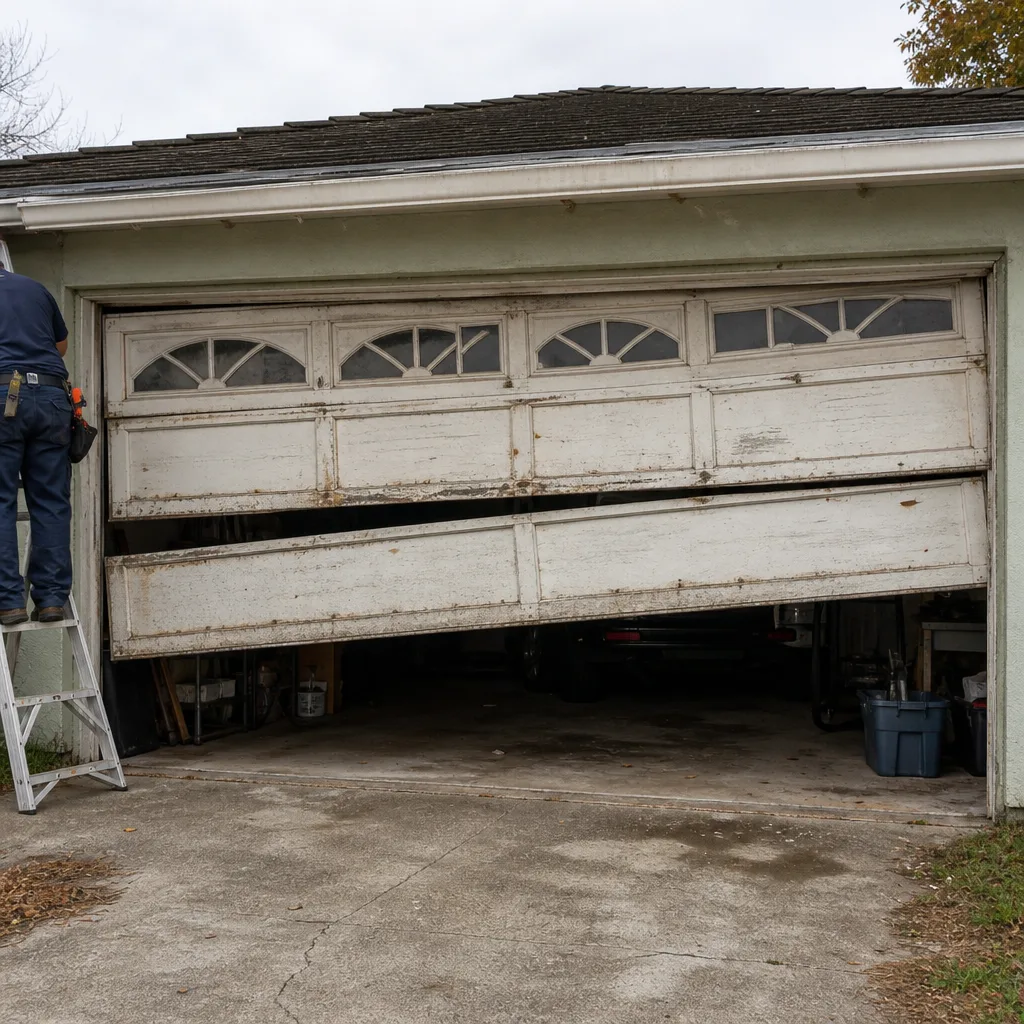
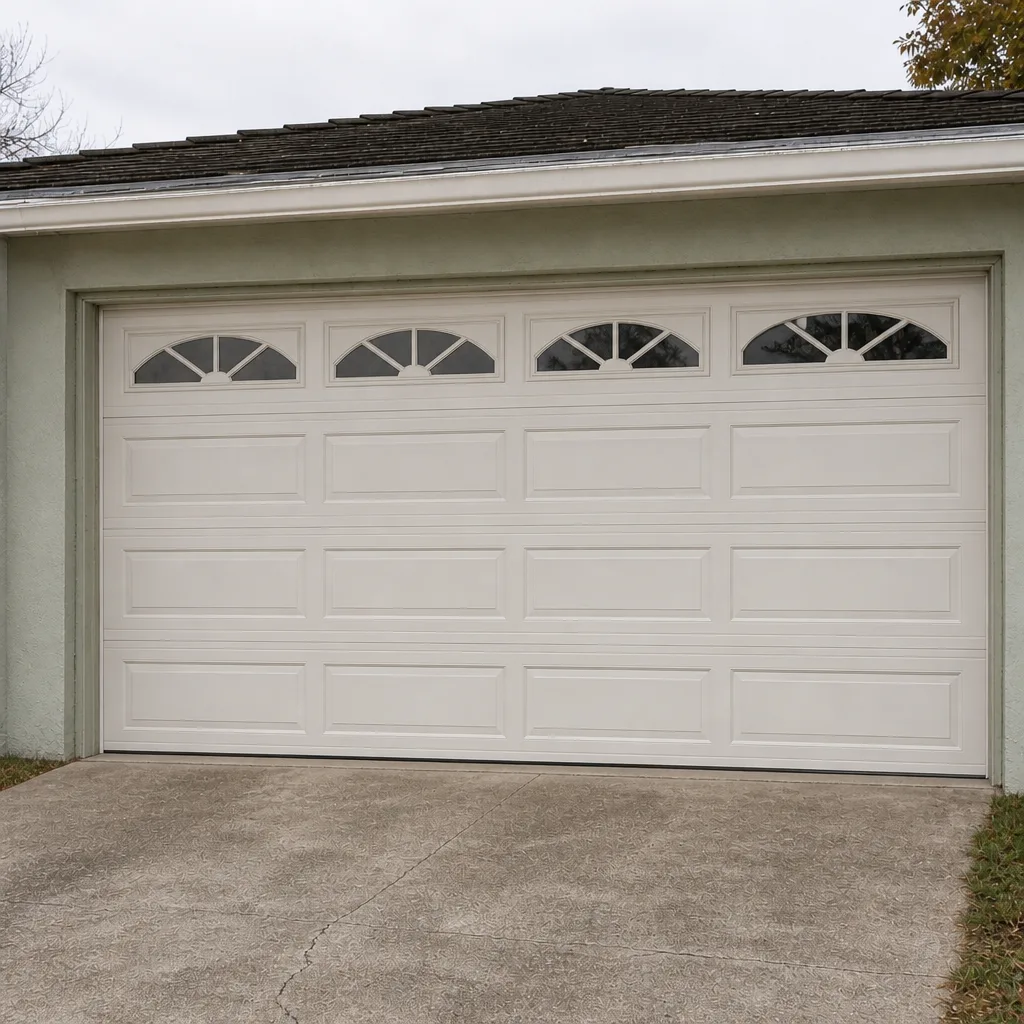
See the difference
 Before
 After
 Before
 After
 Before
 After
Common Mistakes to Avoid
- Following a national maintenance schedule instead of the local one. A checklist built for a cold or desert climate spends time on problems Fairfield doesn’t have and misses the ones it does. Match your checks to the summer heat, wind season and wet winter here.
- Waiting for the bang before checking springs. A spring doesn’t warn you, but the door’s behavior does. If it’s been heavier or the opener has been straining, have it looked at now rather than after the failure.
- Using the wrong lubricant. Heavy grease and ordinary multi-purpose spray attract dust and don’t protect in cool weather. Use a product made for garage door hardware, applied thinly.
- Skipping the auto-reverse test. It’s the safety feature that keeps the door from closing on a person or pet. Test it properly, with a real obstruction, in the fall and after winter.
- Ignoring water at the floor seal. The seal is the cheapest thing to replace and the easiest way to prevent rust damage through the wet season. A gap in the fall becomes rust in the spring.
- Testing the battery backup by looking at a light. The only useful test is running the door on battery power. A green light can sit next to a battery that won’t lift anything.
- Over-tightening brackets and hardware before wind season. Firm and secure is right; cranked down until the bracket cracks is worse. If you’re not sure, ask a technician to check it.
When to Call a Professional
Some of this guide is genuinely homeowner work – cleaning tracks, checking seals, wiping down rust and pressing a test button. Some of it is not. Call a technician when a spring looks or behaves like it’s failing, when the door won’t reverse, when it has jumped a track, or when the opener is straining, drifting or overheating. Anything involving springs, cables or the inside of the opener needs training and the right tools, and a door that’s off balance can hurt someone. If you’re in Fairfield and want a professional to run through the seasonal checklist with you, Fidelity Garage Door Service offers free estimates in Fairfield – call (844) 467-2146. We answer 24/7, and fast dispatch runs from 7am to 7pm, Sunday through Friday. We’re trained across eight of the most commonly installed door and opener brands, including LiftMaster, Chamberlain, Genie, Clopay, Amarr, Wayne Dalton, Craftsman and Raynor, so the technician who arrives knows your equipment.
Frequently Asked Questions
Aim for a full walk-through once a year, timed for just before summer, plus short visual checks at the change of each season. Fairfield’s climate moves quickly between a wet winter, a hot dry summer and a windy fall, so the yearly reset is best done in spring. Cleaning tracks, checking seals and testing your battery backup can be done any time you notice something.
Spring failure peaks because the winter has already fatigued the metal and the first hot days add the final load. The temperature swings and constant cycling through the mild wet months work the springs, and the sudden warm stretch pushes a worn spring past its limit. If your door has been heavier or louder than usual, get it checked before that stretch.
No. Garage door springs and the cables attached to them are under high tension, and adjusting or replacing one without the right tools and training can cause serious injury. Watch for the warning signs, and call a trained technician to inspect and replace the spring. Keep the door closed and don’t use it in the meantime.
It can. Openers have thermal protection that slows or stops the motor if it gets too hot, and a door that’s stiff or out of balance makes that happen sooner. If your opener gets sluggish or stops on the hottest days, the door’s balance and friction are usually the cause, not the opener. A technician can check both in one visit. Call (844) 467-2146 for an exact quote – estimates are free.
Clean the tracks with a damp cloth, wipe the rollers, and re-lubricate with a thin film rather than a heavy coat. Fairfield’s dust collects in the track channels and turns into a gritty paste the rollers work through. A quick clean at the change of season keeps the door running smoothly. If the door sticks or jumps a track, stop using the opener and call a technician – that’s a repair, not a cleaning job.
Yes – the light on the unit isn’t a reliable test. Run the door on battery power and listen for the motor, and replace any battery that won’t hold a charge. Your real outage frequency matters more than a generic test interval. If you’re not sure how to test it, a technician can check it during any service visit. If you want a proper inspection, call (844) 467-2146 for a free estimate and we’ll look at the door and opener together.
The Bottom Line
Fairfield’s climate doesn’t run on a generic maintenance calendar, and neither should your garage door. The core of it: check the springs and the whole system after winter, before the hot stretch can finish off a fatigued spring. Watch seals, balance and opener thermal limits through the summer. Tighten the seals and brackets before the fall winds, and focus on rust, lubrication and floor-seal water during the wet winter. Clean the tracks all year, because the dust here makes it matter more than in most places, and test the battery backup on a schedule that matches your actual outages rather than a manufacturer’s default. Do the simple checks yourself. Leave the springs, cables and opener internals to a trained technician, and get a professional inspection when the door gives you a reason.
If you’d like help with any of it, or just a straight answer on what your door needs, call Fidelity Garage Door Service at (844) 467-2146. Fairfield homeowners can get a free estimate, with a written price agreed before any work starts. We answer 24/7, and fast dispatch runs from 7am to 7pm, Sunday through Friday. If you’re outside those hours, we’ll book you into the next opening. And if you’re looking for a broader starting point on the full range of work we do, take a look at our Fairfield service area page.
Written by the team at Fidelity Garage Door Service.