
Last updated November 15, 2026
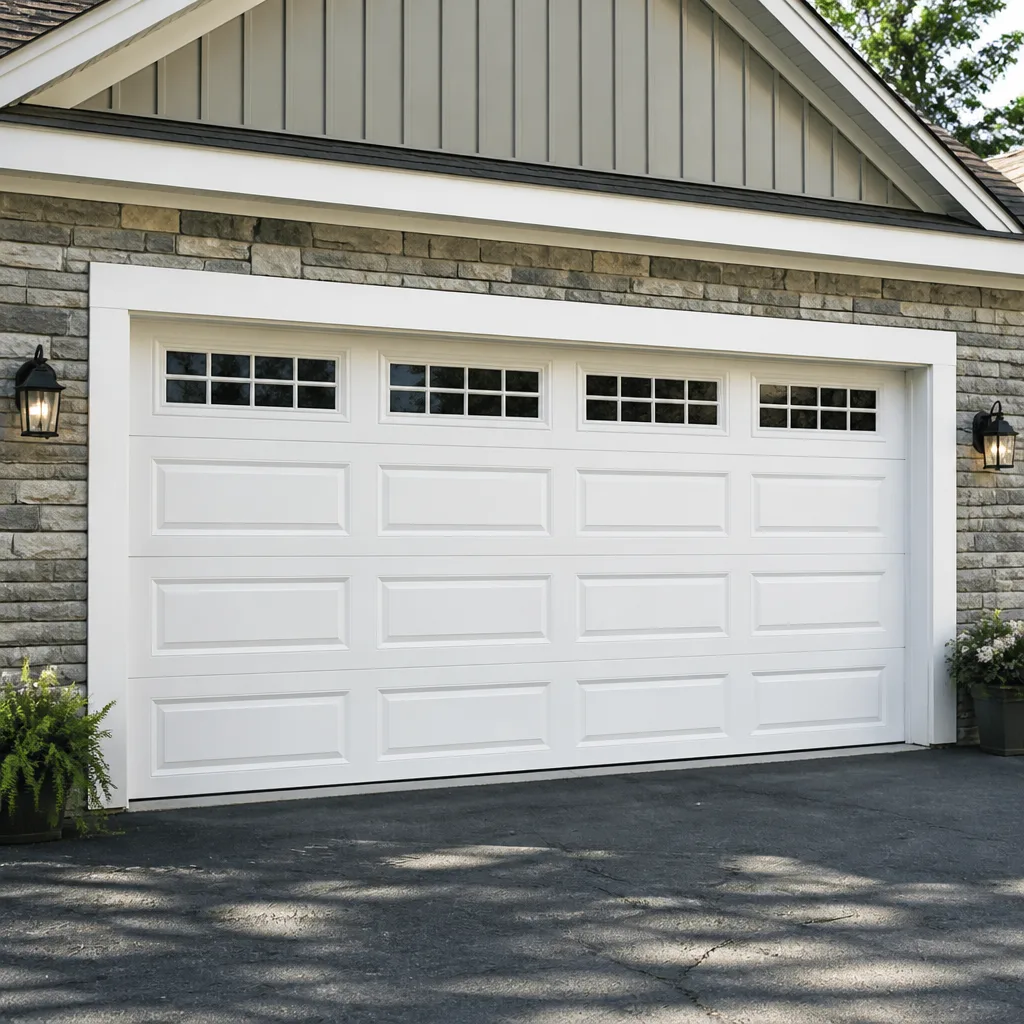 Raised-panel steel
 Carriage house
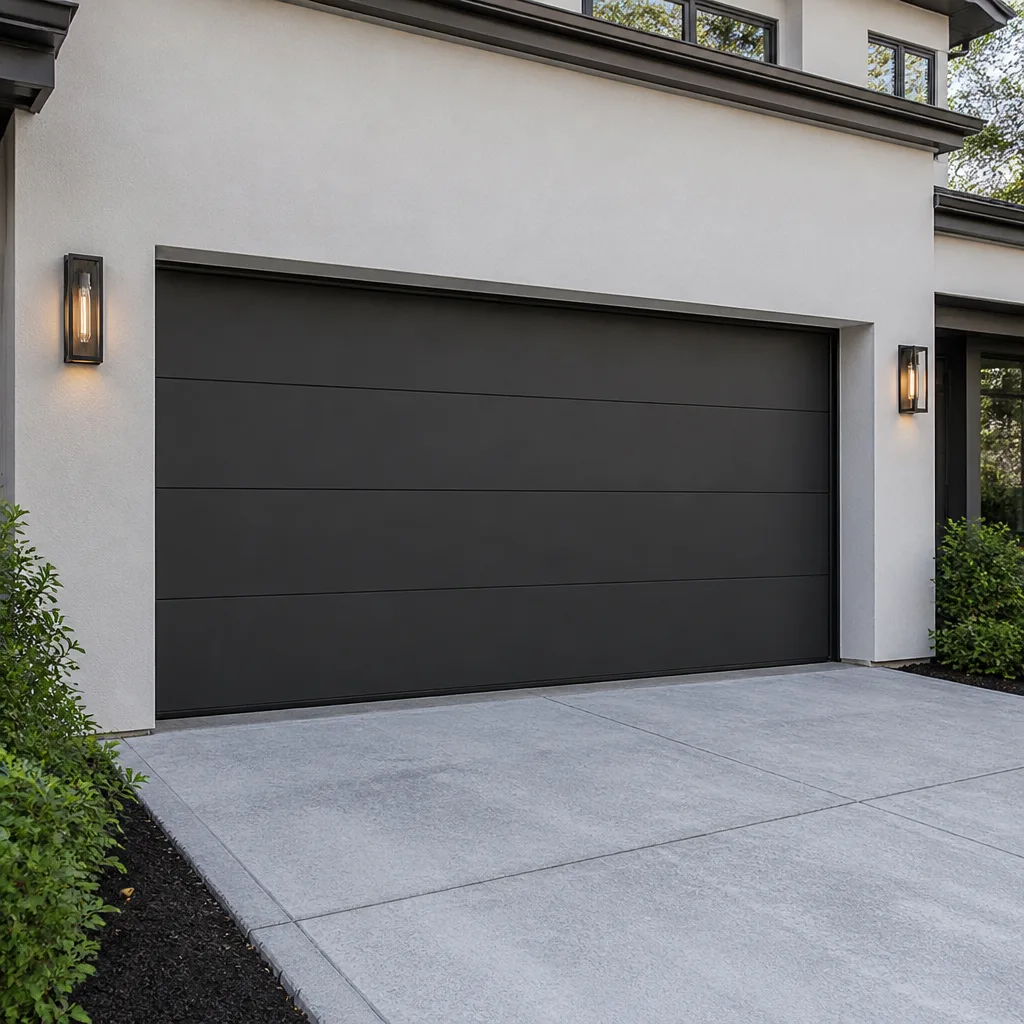 Modern flush
 Full-view glass
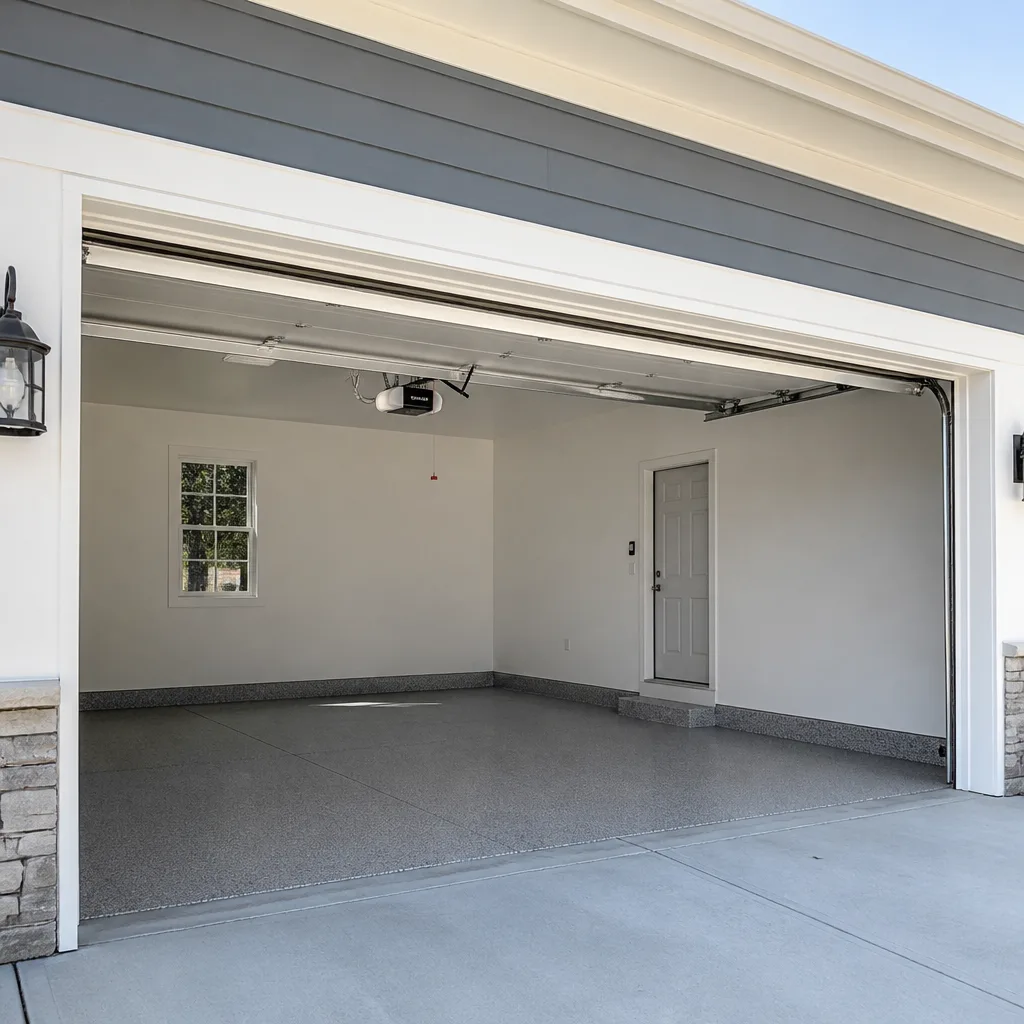 LiftMaster openers
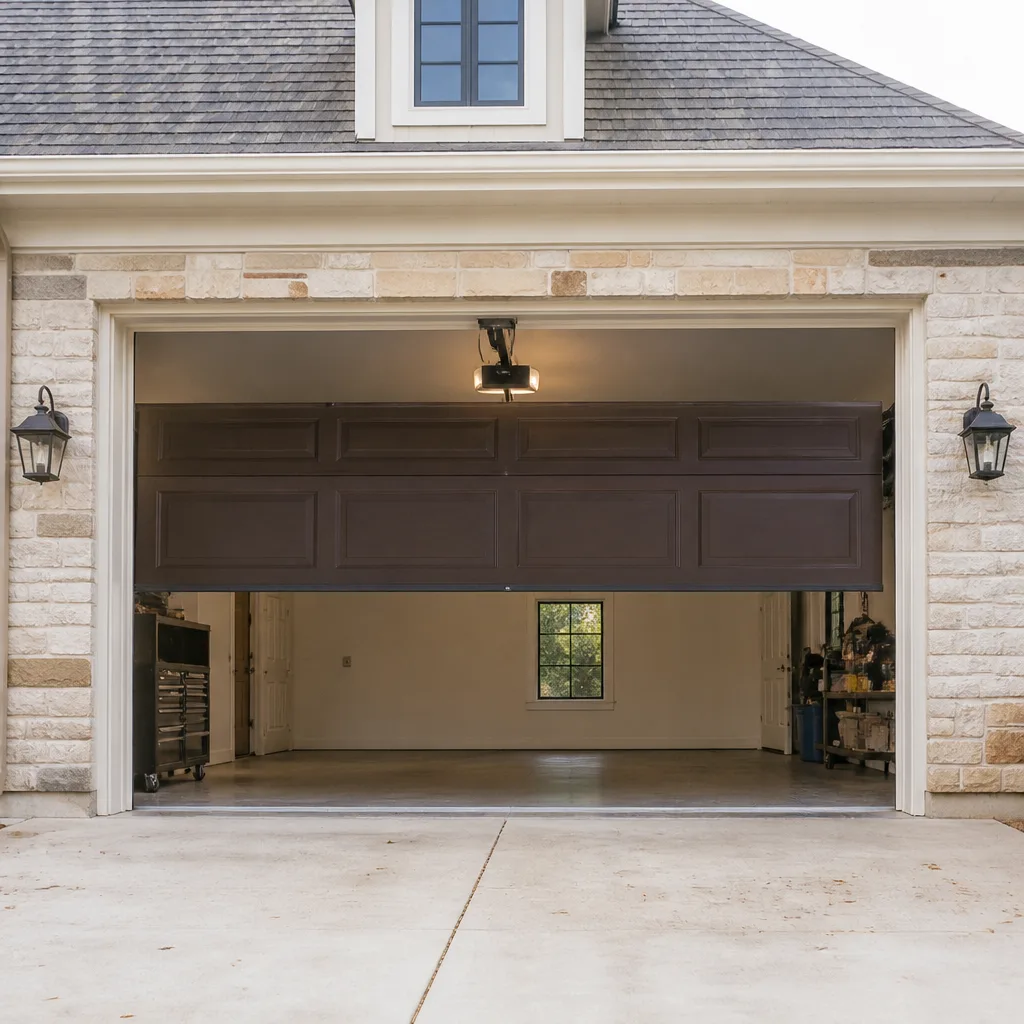 Chamberlain openers
Full 25-point door and opener safety check with every visit - springs, cables, rollers, tracks, and your LiftMaster or Chamberlain opener included
You get a price before we start. It does not change when the pro arrives.
Get your free estimateGarage Door Warning Signs: A Fairfield Homeowner’s Reference Guide
A grinding noise on the way up and a grinding noise on the way down are not the same problem. Most homeowners hear “the door is making a noise” and treat every sound as one category of trouble. But the direction and timing of a noise tell you where in the system the trouble sits. One grinding pattern usually points to a tired roller. Another, on the way down, often points to a cable drum that’s working loose. Treating them alike is how a small repair turns into a large one. This guide decodes the signals a garage door sends before it fails, so you can tell an adjustment from an impending spring replacement. It’s written for Fairfield homeowners who use their door every day and want a straight answer.
Quick Answer
A garage door that grinds, scrapes, pops, or squeals is telling you where a part is failing; the direction and location of the noise usually identify the component. Speed that changes mid-travel, a door that drifts off balance, visible gap formation at the weatherstripping, and hesitation from the opener are the earliest reliable warnings. Catching these signals early in Fairfield’s mild climate is the difference between a routine adjustment and a full spring replacement.
Styles & brands we work with
- Raised-panel steel
- Carriage house
- Modern flush
- Full-view glass
- LiftMaster openers
- Chamberlain openers
Table of Contents
- Noise Diagnosis Matrix: What Each Sound Tells You
- Speed and Balance Inconsistency: The Spring Wear Signal
- Weatherstripping Signal Patterns in Fairfield
- Opener Behavior Anomalies: Sensors, Motors, and Interference
- Visual Rust and Pitting: Cosmetic vs. Critical
- A Monthly Walk-Around Checklist
- When to Call a Professional
- Frequently Asked Questions
Noise Diagnosis Matrix: What Each Sound Tells You
The first thing to establish when you hear a garage door complaint is when the noise happens: at the top of travel, at the bottom, or in the middle of the cycle. Each window points to a different subsystem, and that distinction saves a lot of guessing. A garage door in Fairfield travels the same track dozens of times a week; those repetitions slowly wear specific parts long before others. Learning to read the sound by location is the single most useful diagnostic skill a homeowner can pick up.
Scraping at the top of travel
Scraping as the door reaches full open usually points to the top section binding against the header or to a worn top roller pulling off its track. It can also signal a misaligned door arm where the opener connects. This is often a simple adjustment, but if it’s left alone the top panel can distort.
Grinding at the bottom of travel
Grinding on the way down frequently involves the bottom bracket, the cable drum, or a roller that has seized. A seized roller drags instead of rolls, and the friction produces a rough grind until the door stops. This is a repair worth doing promptly because a stressed cable drum can fail without much more warning.
Popping mid-cycle
A sharp pop or snap mid-travel is one of the more serious sounds. It can mean a torsion spring is beginning to fail, a cable is slipping, or a hinge plate is cracked. Do not keep operating the door after a mid-cycle pop. Springs and cables are under high tension and are genuinely dangerous to inspect by hand. Call a trained technician.
Squealing throughout the cycle
A high-pitched squeal that runs the whole time usually means dry, unlubricated metal: rollers, hinges, or the torsion tube. In our experience this is the most forgiving of the noise signals, but it shouldn’t be ignored because chronic friction wears parts faster than they would otherwise.
Speed and Balance Inconsistency: The Spring Wear Signal
Springs don’t fail on a schedule. They wear gradually, and the earliest sign is a change in how the door carries its own weight. A balanced door opens and closes at an even speed and stays put at any point partway open. A door with a tired spring begins to hesitate, speeds up on the way down, or drops faster than it rises. That imbalance is your notice that the springs are nearing the end of their working life.
You can test for balance without touching spring hardware by using the opener’s manual release, which is a pull cord (usually red) hanging from the trolley. The procedure is safe because it involves only the door and your hands:
- Close the door fully and pull the manual release cord to disconnect the opener.
- Lift the door by hand to about halfway open.
- Let go and watch. A properly balanced door holds its position.
- If it drifts down on its own, the springs are not supporting the weight and need attention.
- Reconnect the opener by running it once until the trolley re-engages the carriage.
Safety note: the test above does not require you to go near the springs, cables, or the torsion tube. Never attempt to adjust, tighten, or remove spring hardware yourself. Torsion springs store enormous energy and a sudden release can cause serious injury. That work belongs to a trained professional. If the balance test shows drift, that is your signal to book a repair, not to grab a wrench.
A Fairfield door that’s been through a few seasons and now drifts half-open is a classic early-warning case. Catching it during this phase usually means a targeted spring replacement rather than a cascading cable and track repair.
Weatherstripping Signal Patterns in Fairfield
Fairfield’s climate is mild, which is exactly why weatherstripping problems here tend to creep up on homeowners. There’s no dramatic freeze or snow load to force the issue, so gaps form quietly and you only notice them when wind, dust, or a draft gets through. The shape and location of the gap tells you which seal is failing.
Gap on the hinge side
A vertical gap running down the hinge side of the door usually means the door has drifted slightly out of square or a hinge has loosened. It can also mean the jamb seal has compressed unevenly. Left alone, that gap lets air and dust in and stresses the hinges further. This one is often resolved by realigning the door and adjusting hinges, not just by replacing stripping.
Bottom seal failure
The bottom seal (also called the bottom astragal) is the rubber strip along the floor. If you can see daylight under the door when it’s closed, or the strip looks cracked and flattened, the bottom seal needs replacement. In Fairfield’s sun, that rubber hardens and loses flexibility over the years. It’s one of the most common repairs we handle.
Top seal compression loss
A gap across the top of the door when it’s closed usually points to the top seal losing compression or the door not closing fully against the header. That can be a seal issue or a travel-limit setting on the opener. Both are worth fixing promptly: a top gap is an entry point for water and pests.
Our advice: check all three locations with the door closed and a light on the other side. Anywhere you see light bleeding through is a gap worth addressing. If replacing a section, a quality door like a Clopay or Amarr model tends to hold its seal geometry better over time, and we can advise on what fits your door when we’re on site.
Opener Behavior Anomalies: Sensors, Motors, and Interference
When the door itself is fine but the opener is behaving oddly, the trouble is in one of three places: the safety sensors, the motor and drive train, or the radio frequency. These produce overlapping symptoms, which is why so many homeowners misdiagnose a motor problem as a sensor problem. Here’s how to tell them apart.
Partial reversal
A door that starts down and then reverses on its own is the classic safety-sensor symptom. The sensors (the two small lenses near the floor) are misaligned or obstructed. Check for cobwebs, spider webs, or a knocked sensor, then confirm the lenses line up. If the reversal persists after alignment, the opener itself is the next suspect.
Hesitation on cold mornings
A door that labors for a second before moving on a cool morning can mean a dry or worn drive gear, a stiffening roller, or a motor starting to wear. Fairfield mornings are often cool enough to expose this. If it happens consistently, book an opener repair before the hesitation becomes a failure.
Remote lag
Delay or intermittent response from a remote is usually radio-frequency interference (RF) or a dying battery. Try a fresh battery and move the remote closer. If it’s a rolling-code opener but only responds inconsistently, that’s often an RF or antenna issue, not the motor. On Genie and LiftMaster systems, we can usually rule out RF versus motor in a few minutes.
What to check before you call
- Battery in the remote.
- Sensor alignment (the small indicator light should be steady, not blinking).
- Manual release: does the door move freely by hand? If yes, the opener is the suspect.
- Any recent power surge or lightning near the house.
If you’ve run through these and the door still misbehaves, we can diagnose the specific unit on site. garage door opener repair is one of our core services, and we work across Genie, LiftMaster, Chamberlain, and the other major makes.
Visual Rust and Pitting: Cosmetic vs. Critical
Not all rust is bad news, and telling the difference is important. Surface rust on hinges, rollers, and bolts is cosmetic. It can be cleaned and lubricated, and it won’t shorten the door’s life. Rust on the torsion spring is a different matter entirely.
Surface rust on hardware (usually cosmetic)
- Thin, orange-brown film on hinges, bolts, and roller brackets.
- Wipes off with a rag and penetrant.
- Won’t affect strength or operation.
Pitting on torsion springs (replace promptly)
- Crater-like spots or flaking metal on the coiled spring.
- Indicates the steel is failing under load, not just discolored.
- Do not operate the door repeatedly if a spring is visibly pitting or broken.
- Book a replacement before the spring fails, so you avoid the door suddenly dropping.
In our experience, a pitted torsion spring is one of the most serious visual warnings a homeowner can miss, because it looks like ordinary rust from a distance. Get close enough with a flashlight to see whether the surface is merely charged with a surface film or genuinely cratered. When a spring is pitting, we recommend replacement, and a certified technician should do the work: springs are under high tension and are not a do-it-yourself item. On the garage door itself, a Wayne Dalton or similar steel door can last for many years with a simple clean-and-lubricate routine on its hardware.
A Monthly Walk-Around Checklist
Most garage door failures give you more warning than you’d expect, provided someone is looking. A few minutes once a month catches nearly all of these signals before they become expensive.
- Listen before you look. Open and close the door once from outside and note any sound you didn’t hear last month.
- Run the balance test (manual release, half-open, release and observe). A door that holds is balanced.
- Check the bottom seal with the door closed and a light on the opposite side. Any visible gap under the door.
- Look at the springs. Flashlight on the torsion spring; check for pitting, flaking, or a greenish tinge.
- Test the safety sensors. Wave an object across the beam with the door closing; the door should reverse immediately.
- Inspect the rollers and hinges for stiffness, cracks, or a roller that’s jumped its track.
- Feel the door at the mid-point for vibration or roughness that wasn’t there before.
If any of these checks come up short, write down what you found and when. A short log is genuinely useful when you book a repair, because it helps our technicians know which symptom to prioritize before we arrive in Fairfield. And if you’re looking for a broader overview of the repair side, our garage door repair page covers the common jobs in more depth.
When to Call a Professional
Most of the warning signs in this guide are things you can notice and log yourself. But some crosses the line from “keep an eye on it” to “call today.” Call a professional if you notice any of the following:
- A mid-cycle pop or snap from the springs or cables.
- A door that drifts down on its own during the balance test and won’t hold halfway.
- Visible pitting or flaking on a torsion spring.
- The door reversing, or a remote that only works intermittently after a battery swap.
- Any sign of the door coming off its track or a bent bottom bracket.
- A gap at the bottom seal that won’t close with the door fully down.
Fidelity Garage Door Service offers free estimates in Fairfield. Our technicians have up to 13 years of experience and work across eight major brands, including Genie, Clopay, Amarr, and Wayne Dalton, so we diagnose by knowledge rather than guesswork. Call (844) 467-2146. We answer 24/7. Fast dispatch from 7am to 7pm, Sunday through Friday.
Frequently Asked Questions
The most common warning signs are unusual noises (scraping, grinding, popping, squealing), a door that changes speed or drifts off balance, gaps at the weatherstripping, and opener behavior like partial reversal or remote lag. Any one of these on its own is worth checking; two or more together usually point to a specific failing part. Call (844) 467-2146 for an exact diagnosis, and estimates are free.
A grinding noise usually means a worn roller, a seized bearing, or a cable drum that’s working loose, and the direction of travel helps narrow it down. Grinding on the way down with the door near the floor often points to the bottom bracket or drum; grinding on the way up may indicate a top roller. Call (844) 467-2146 and we can tell you what to check before we arrive.
Yes. The balance test uses the manual release cord to disconnect the opener, then lifts the door halfway by hand and lets go. If the door holds its position, it’s balanced; if it drifts down, the springs are tired. Never touch or adjust the spring hardware itself, because torsion springs are under dangerous tension. Call (844) 467-2146 if the door drifts.
Hesitation on a cool morning usually means a dry or worn drive gear, a stiffening roller, or a motor starting to wear. Fairfield’s cool mornings expose this more than warm afternoons do. A fresh lubrication pass may help, but if it happens consistently, book an opener repair before it turns into a failure. Call (844) 467-2146 for an exact quote.
Surface rust on hinges and bolts is cosmetic, but pitting or flaking on a torsion spring is not. Pitting means the steel is failing under load, and the spring can break without much further warning, which makes the door drop. If you see pitting, book a spring replacement rather than waiting. Call (844) 467-2146 and we’ll take a look.
A sensor problem usually shows up as partial reversal: the door starts down and reverses on its own, often because the lenses are misaligned or obstructed. A motor problem shows up as hesitation, strain, or a remote that lags even after a battery change. On Genie and LiftMaster units we can usually sort one from the other on site. Call (844) 467-2146 for an exact diagnosis.
See the difference
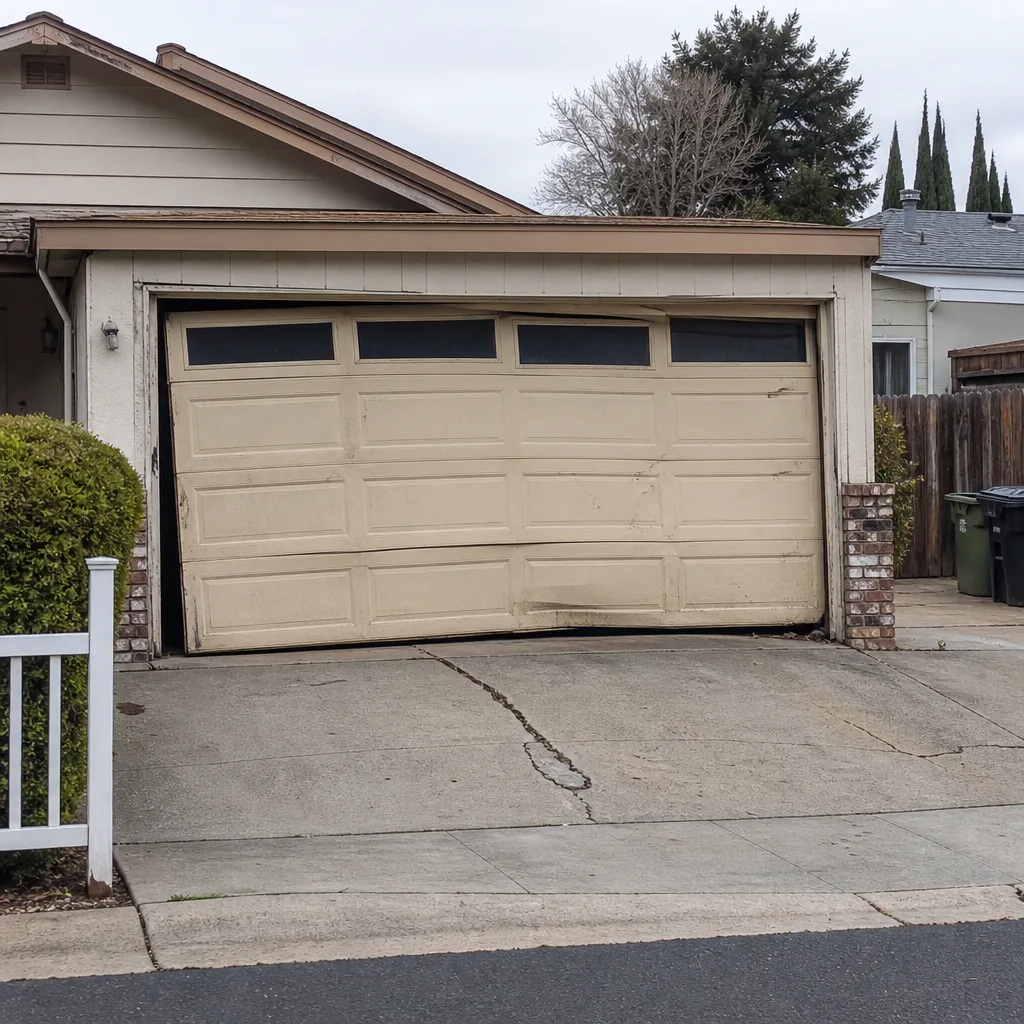 Before
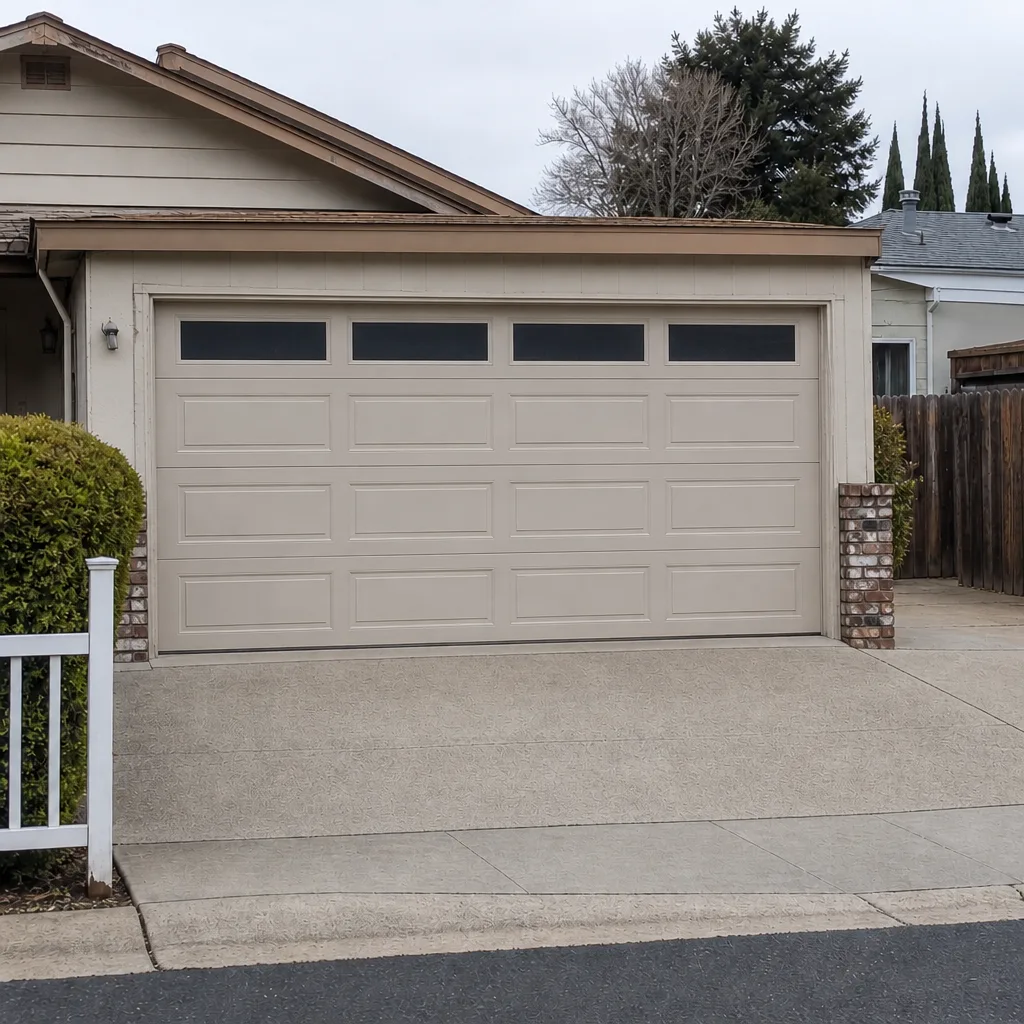 After
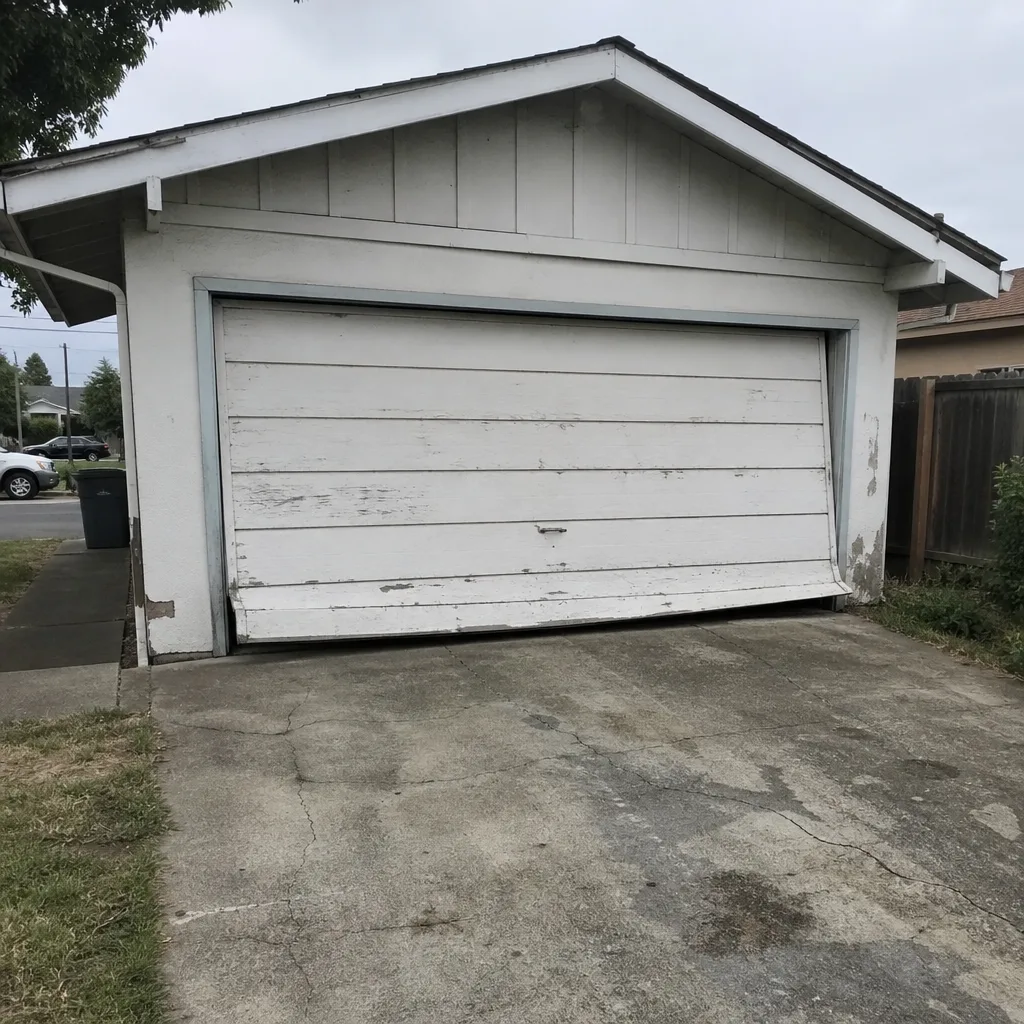 Before
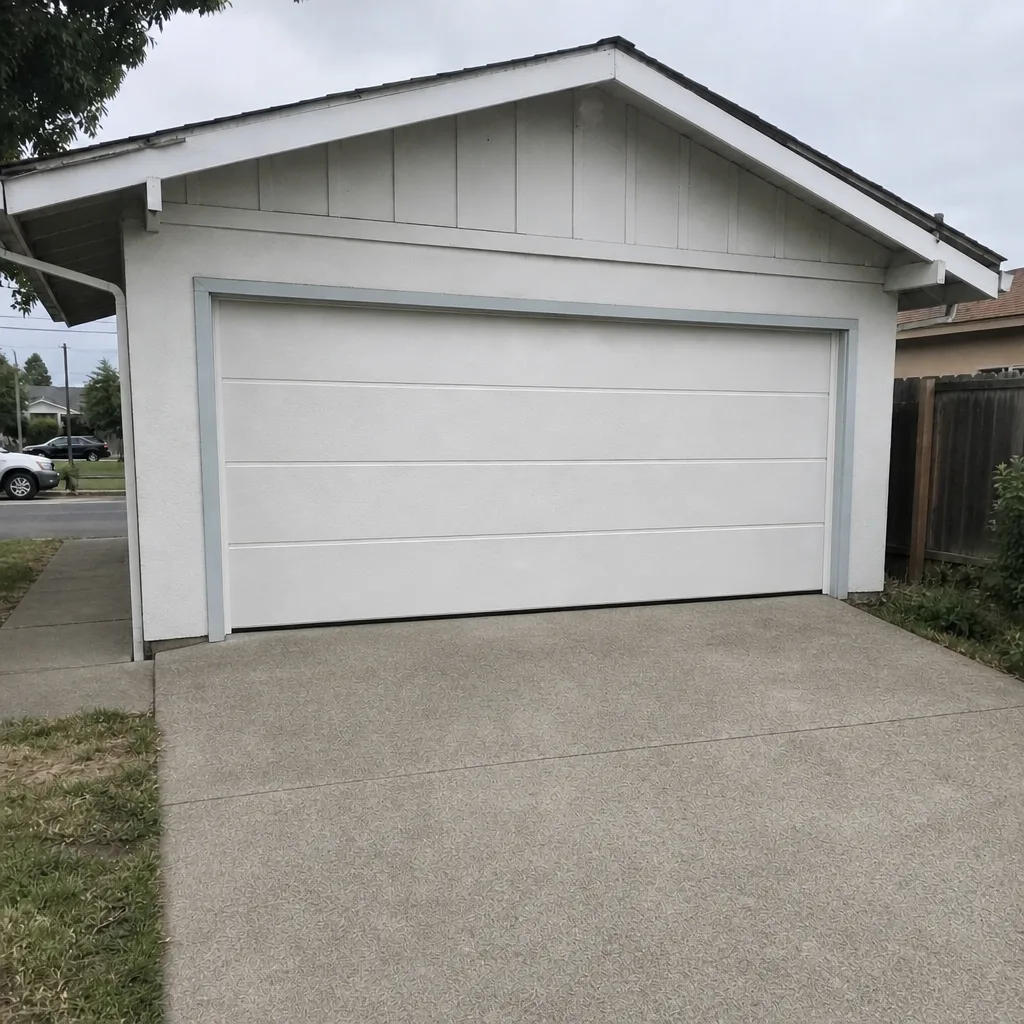 After
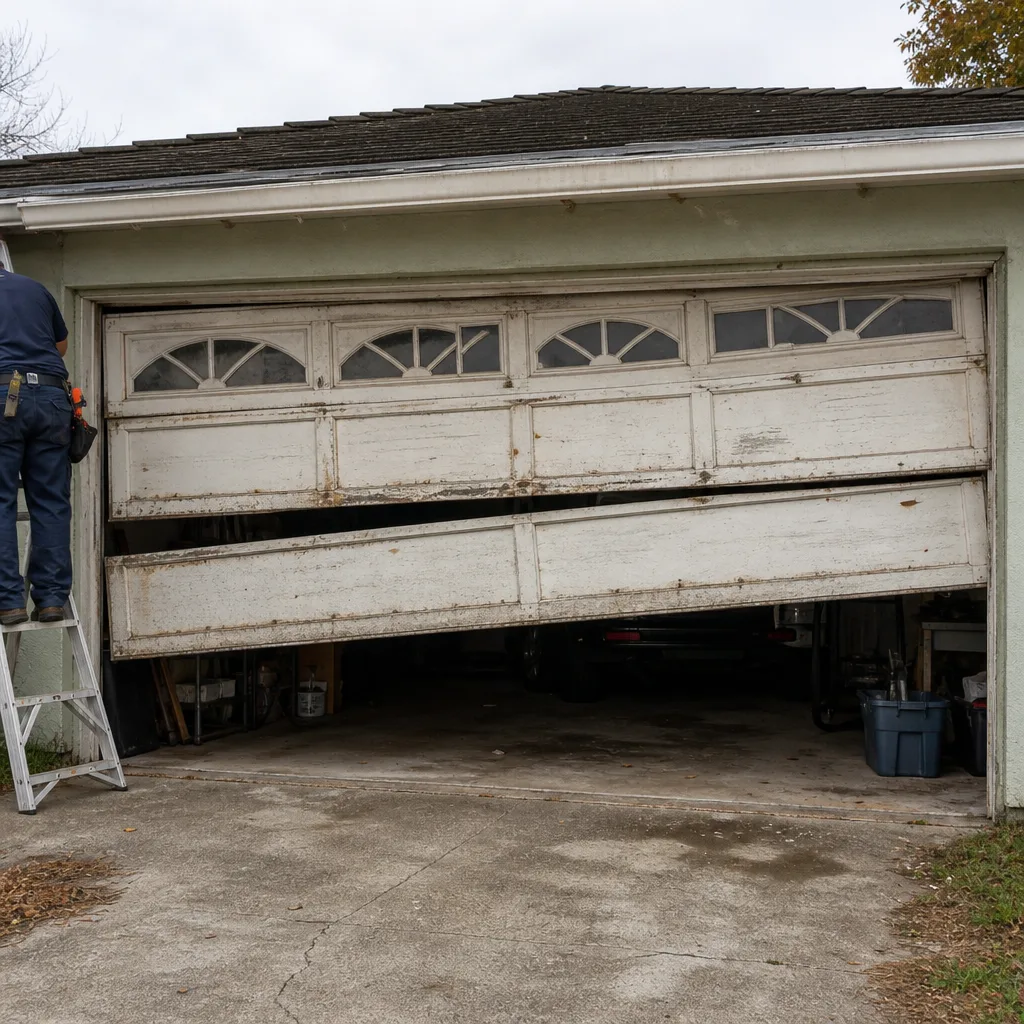 Before
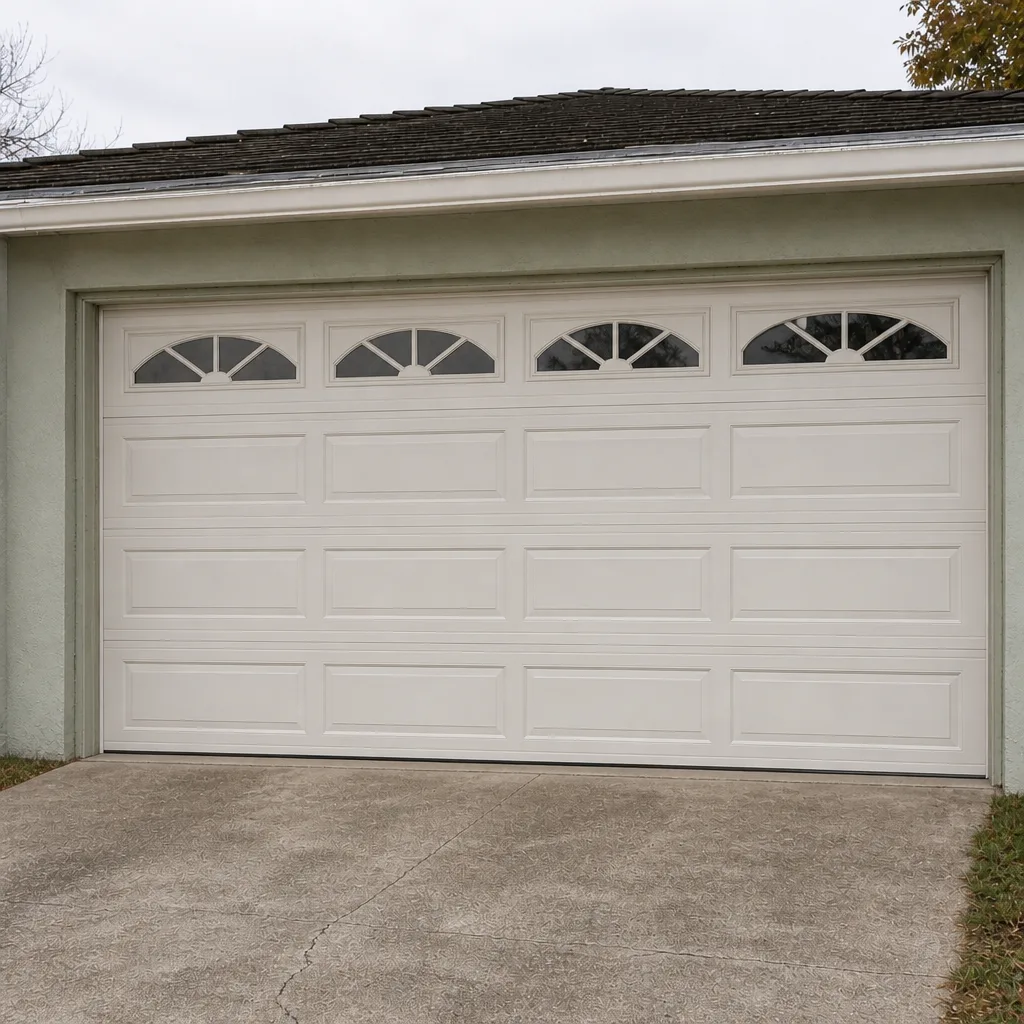 After
Common Mistakes to Avoid
- Treating every noise as one problem. A grinding on the way up and a grinding on the way down point to different parts. Note when the noise happens before you call.
- Ignoring a mid-cycle pop. A pop or snap from the springs is a genuine safety signal. Don’t keep running the door and hoping it settles.
- Adjusting springs and cables yourself. These are under high tension; a slip can cause serious injury. That work belongs to a trained professional.
- Assuming surface rust is always bad. Hinges and bolts rust cosmetically without hurting anything. The critical rust is the pitting on a torsion spring.
- Skipping the balance test because it seems fiddly. It’s a two-minute check that catches a tired spring early, well before it breaks.
- Ignoring a gap at the bottom seal in Fairfield. A small gap lets dust and moisture in and stresses the door. Seal repairs are quick and prevent bigger issues.
- Replacing the opener when the problem is the door. A misaligned door or a stiff roller can mimic a dying motor. Diagnose the door first, then the opener.
The Bottom Line
Garage door failures are rarely sudden. Almost every one starts with a sound, a timing change, or a visible wear pattern that gets mistaken for normal aging. The useful skill is decoding those signals: knowing a mid-travel grind from a start-of-travel grind, a pitted spring from cosmetic rust, a sensor reversal from a motor problem. Our advice to Fairfield homeowners is simple: run the monthly checklist, log what you find, and book a repair the moment something crosses from cosmetic to structural. Our technicians have up to 13 years of experience and work across eight major brands including Genie, Clopay, Amarr, and Wayne Dalton. If you want a straight diagnosis rather than guesswork from a generalist, turn to Fidelity Garage Door Service.
Wondering which garage door repairs are worth doing in Fairfield and which can wait? Give us a call and we’ll tell you straight. Call (844) 467-2146 for a free estimate. We answer 24/7. Fast dispatch from 7am to 7pm, Sunday through Friday, and closed Saturday.
Written by the team at Fidelity Garage Door Service.