
Last updated November 15, 2026
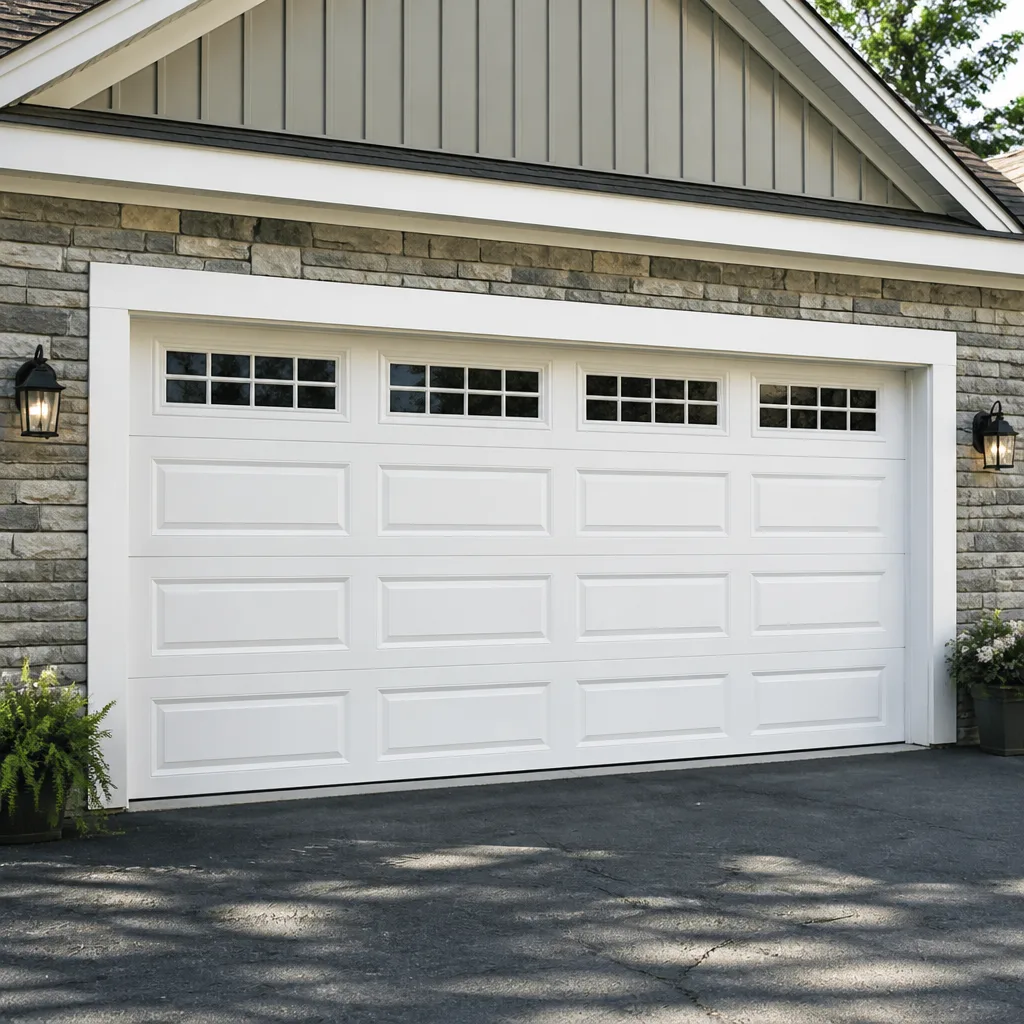 Raised-panel steel
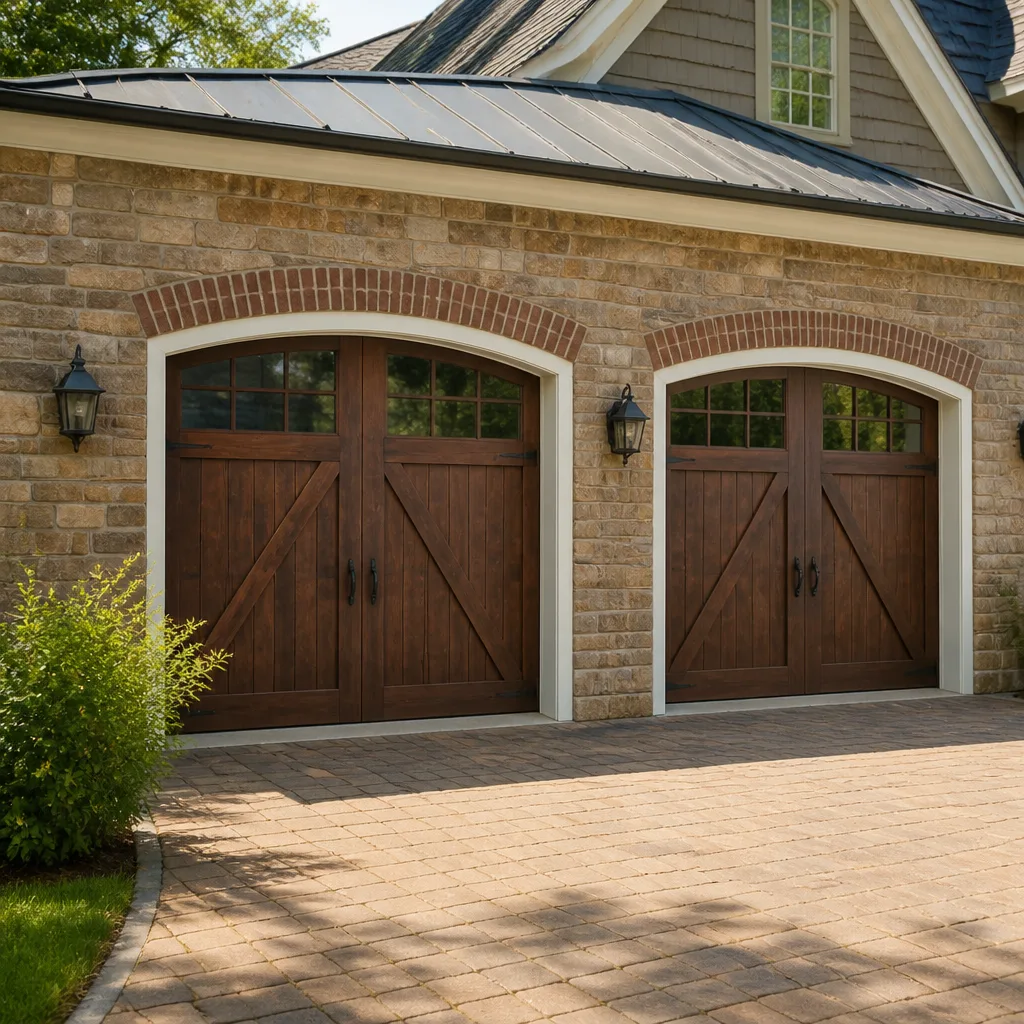 Carriage house
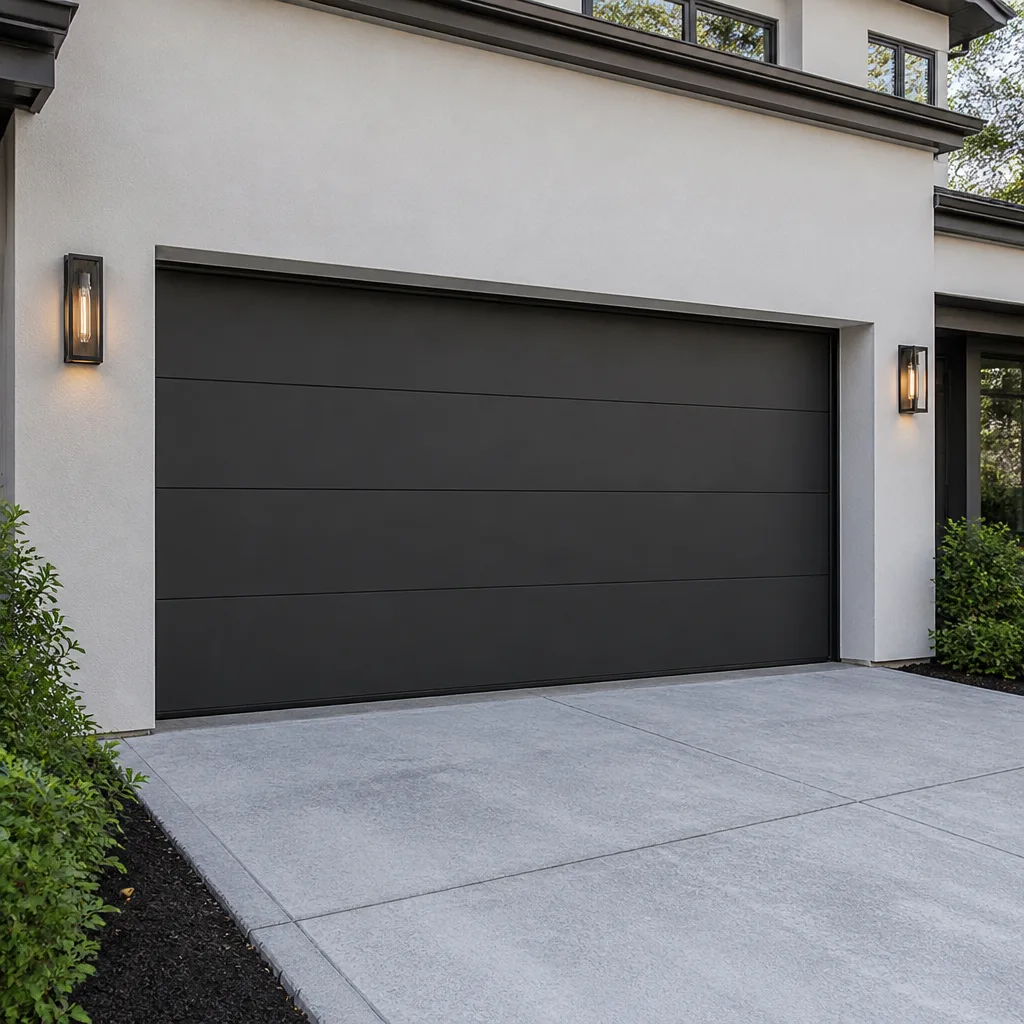 Modern flush
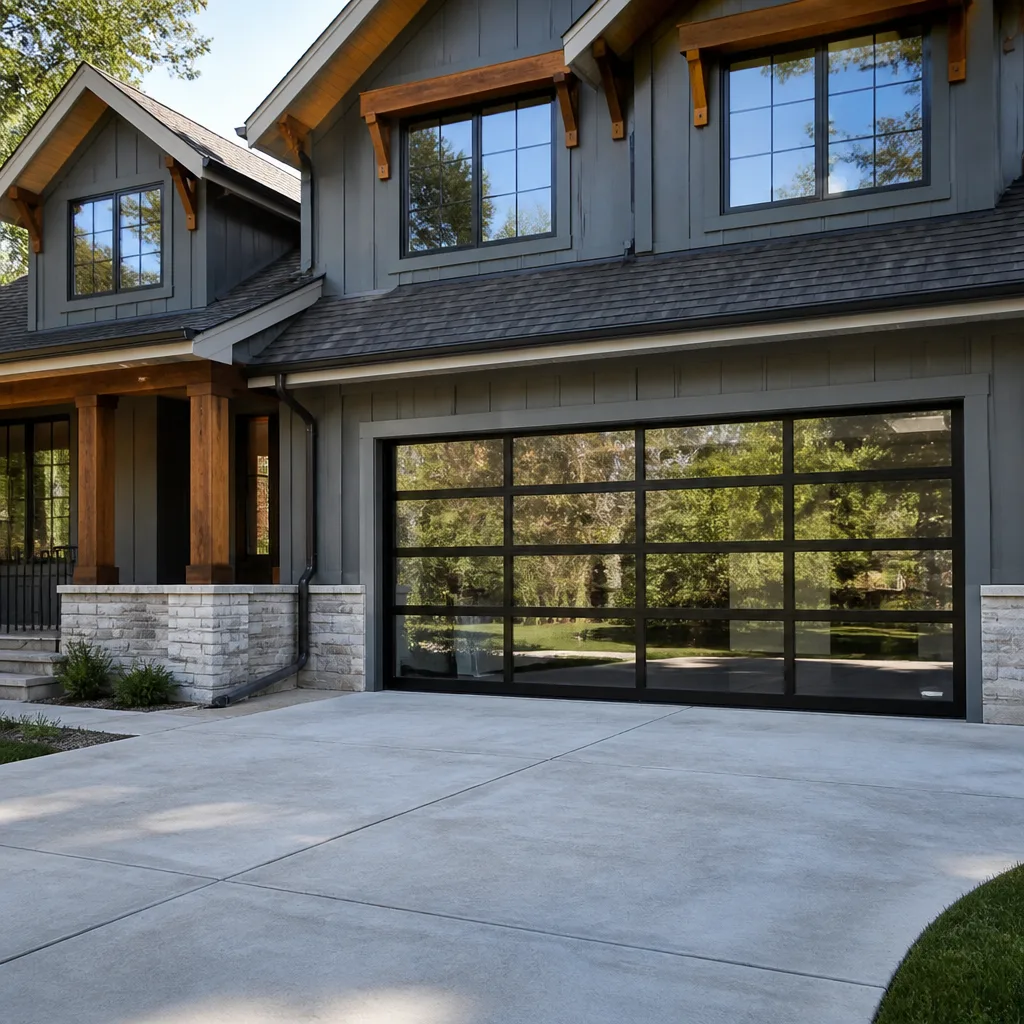 Full-view glass
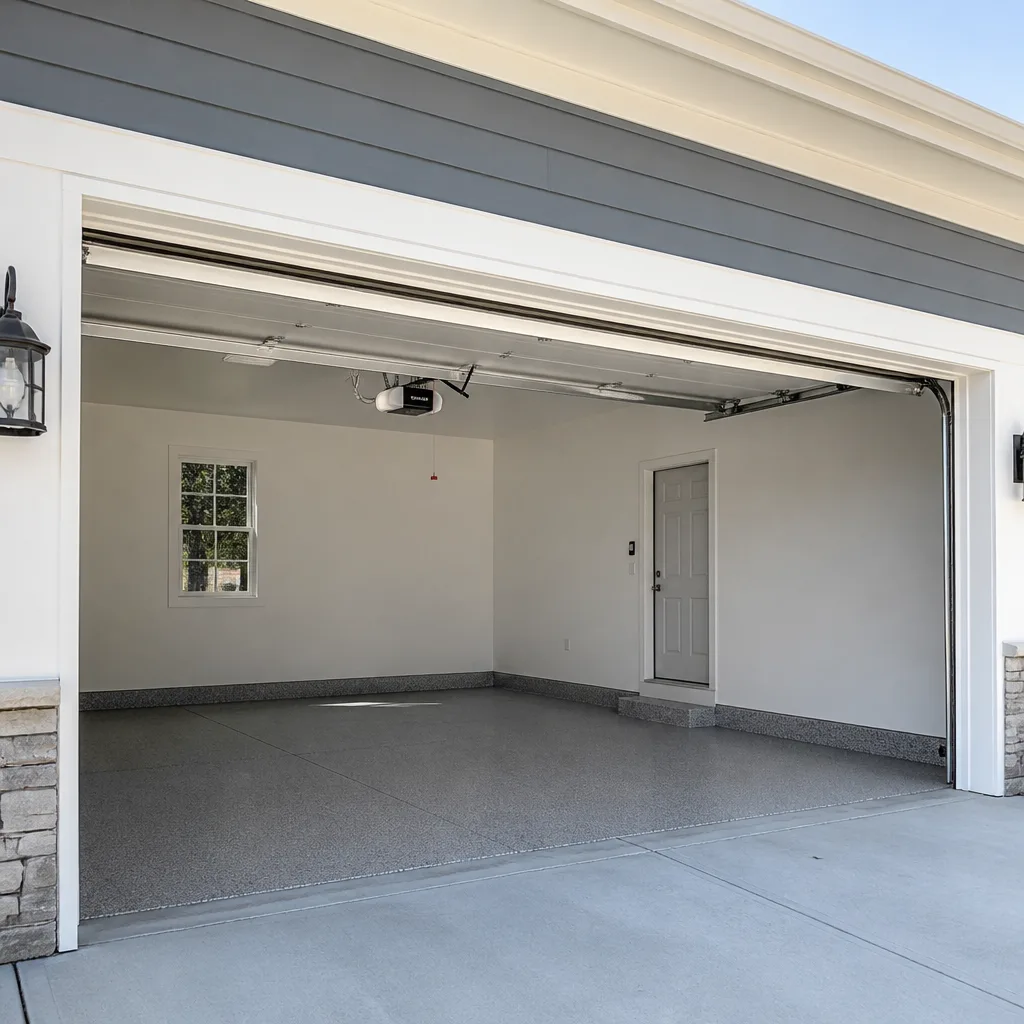 LiftMaster openers
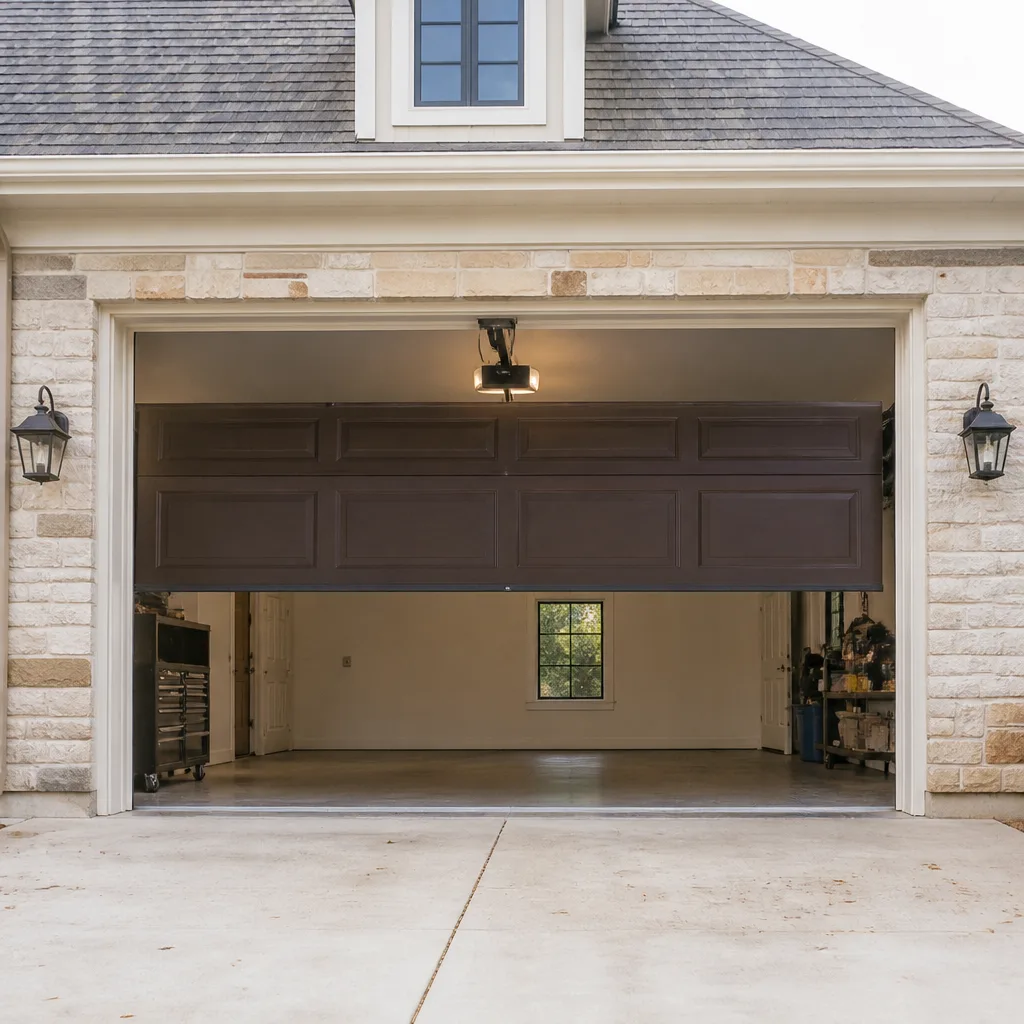 Chamberlain openers
Full 25-point door and opener safety check with every visit - springs, cables, rollers, tracks, and your LiftMaster or Chamberlain opener included
You get a price before we start. It does not change when the pro arrives.
Get your free estimateGarage Door Emergency Preparedness Guide for Fairfield Homes
The call we get most often after a power shutoff in Solano County isn’t about a broken spring or a dead opener. It’s from a homeowner sitting in the driver’s seat, late for something, who can’t get the car out because they’ve never touched the manual release. Every automatic door has one. Most people have never used it, and the moment they need it is the worst possible time to learn. This guide is built for Fairfield homeowners who’d rather know the drill before the power drops. You’ll learn how to release a door by hand, how to judge whether a wind-damaged door is safe to touch, what battery backup really buys you in a multi-day outage, and how to vet an emergency call so you don’t get taken.
Quick Answer
A garage door emergency in Fairfield almost always comes down to one of two things: a power outage that traps cars inside, or wind damage that leaves the door stuck open and the house exposed. Both are manageable if you know two moves in advance: how to use the red manual release cord (door down) and when to stop operating a bent or off-track door instead of forcing it. For anything involving springs, cables, or a door that won’t stay up or come down cleanly, call a trained technician rather than improvising.
Styles & brands we work with
- Raised-panel steel
- Carriage house
- Modern flush
- Full-view glass
- LiftMaster openers
- Chamberlain openers
Table of Contents
- How Do You Use the Manual Release on a Garage Door?
- What Does Battery Backup Actually Do During a Power Outage?
- Wind Damage: How to Assess Whether the Door Is Safe to Operate
- What to Do When the Door Is Stuck Open
- Securing the House Overnight While You Wait for Service
- How to Vet an Emergency Garage Door Call Under Pressure
- A Preparedness Checklist for Fairfield Homes
- Common Mistakes to Avoid
How Do You Use the Manual Release on a Garage Door?
Pull the red release cord only when the door is fully down and the spring is under tension. That’s the one rule that matters most. The manual release disconnects the door from the opener trolley so you can lift it by hand. If you pull it while the door is up, or while it’s partway through a cycle, the door can drop or slam. When the door is down, the springs are holding it in a stable position, so the release is predictable.
Here’s the sequence:
- Close the door completely and confirm nothing is underneath.
- Pull the red cord straight down and toward the door. You’ll hear or feel the trolley disconnect.
- Lift the door by hand from the bottom edge. A well-balanced single-car door should lift with steady pressure, not a yank.
- Lift it all the way up. If it won’t stay, that’s a problem with the springs, not the release.
- To reconnect, close the door fully and pull the cord toward the opener rail again until the trolley clicks back in.
What if the door won’t stay up after you release it?
If the door falls back down when you let go, or if it feels like it weighs far more than it should, stop and leave it. That’s the signature of a broken spring or a failed counterbalance. Lifting a door with a broken spring is dangerous: the door can crash down, and the spring and cable hardware can release energy suddenly. Don’t prop it with a chair, don’t try to hold it with your shoulder, and don’t attempt to operate the opener while the spring is broken. Call a professional. We handle this every week in Fairfield and it’s not a job for a homeowner with a ladder.
Spring repair is one of the most common calls we get, and it’s also the one with the clearest safety line. For a deeper breakdown of what’s involved, see our garage door repair page. One spring costs a fraction of what a matched pair costs, and a pair is usually replaced together because they wear at the same rate. If your door has two springs and one just broke, assume the other is close behind it.
What Does Battery Backup Actually Do During a Power Outage?
Battery backup lets the opener run the door a limited number of cycles after the power drops, then it’s done. It’s not a generator. It’s a small battery pack inside the opener housing that keeps the motor and the safety sensors alive for a set number of open-close cycles, typically enough to get a car out, get it back in, and repeat that a handful of times. After that, the door is manual until the power comes back.
This matters in Fairfield during Public Safety Power Shutoff events, when PG&E cuts power to a line for fire risk and the outage can run a day or more. A battery backup opener buys you an exit and re-entry window. It doesn’t keep the door running indefinitely, and it doesn’t help if the battery itself is past its useful life. Batteries sit unused for long stretches, so a unit that hasn’t been exercised in a year may not deliver the cycles you expect.
Which openers are compatible?
Battery backup is built into some models and sold as an add-on for others. The major brands we work with, including LiftMaster, Chamberlain, Genie, and Craftsman, all offer openers with backup built in or as a compatible accessory. The practical move is to check the label on the opener housing or the owner’s manual. If you don’t have the manual, a technician can identify the model in a few minutes and tell you whether backup is available for it.
What does installation involve?
For a compatible opener, adding battery backup is a light job: mounting the battery pack inside the housing, connecting the wiring harness, and testing the cycles. Pricing is set per job by a written estimate, so ask for that up front. If your current opener is older and backup isn’t supported, the better move may be a new opener, which is a different kind of job and should be measured and scheduled rather than rushed.
Wind Damage: How to Assess Whether the Door Is Safe to Operate
A wind-damaged door is the second emergency pattern we see in Fairfield, and the instinct to “just close it” is what turns a bent panel into a bent track. The door is a balanced system riding on rollers inside tracks. Once a panel is bowed or the door has shifted, forcing it through a cycle can pop rollers out of the track, twist the torsion hardware, or drop the door entirely.
Use this order of assessment before you touch anything:
- Look at the panels. A slight bow may be cosmetic. A dented or creased panel on a Clopay or Amarr door usually means the structural rib is bent, and the door won’t ride true.
- Look at the tracks. Tracks should be straight and parallel. Any kink, outward flare, or gap at the roller means don’t run the door.
- Look at the hinges and rollers. A popped roller or a hinge plate that’s torn away from the panel is a no-go.
- Look at the cables. Cables should be under even tension on both sides. A slack or frayed cable is a hard stop. Don’t touch it, don’t try to take up the slack, and don’t stand under it.
- Listen to the opener. If the opener runs but the door doesn’t move, or if the door moves in stops and starts, stop and disconnect the release cord with the door down.
When to call vs. when to wait
Call now if the door is off its track, a cable is loose or frayed, a panel is badly creased, or the door won’t hold position. Those are safety issues, and operating the door may make them worse. Wait if the damage is purely cosmetic (a small dent with the door running smoothly and evenly on both tracks) and you can use the door normally. When in doubt, have someone qualified look before you cycle the door again.
What to Do When the Door Is Stuck Open
A door stuck open is a security problem first and a repair problem second. The house is exposed, and you may not know for hours how long it will stay that way. The correct sequence is to secure the opening, then get a technician scheduled, and not the other way around.
Practical interim measures:
- Disconnect the opener so a neighbor’s remote or a stuck wall button can’t cycle it unpredictably. Pull the release cord with the door in the position it’s currently in (open) if you’re only trying to stop the motor.
- Block the opening from the inside. A piece of plywood braced against the jambs, or a locking bar across the inside of the door, keeps the door from being lifted from outside.
- Park a vehicle close to the opening if the door is partially down and you can do it safely. It won’t stop a determined intruder but it raises the effort level.
- Turn on exterior lighting near the door. Light is a deterrent that costs nothing.
- Call a technician and get on the schedule. Make it clear the door is stuck open so it’s triaged as a security matter.
Don’t tie the door shut with rope or bungee cord against the tracks and expect it to hold. Don’t run the opener again to see if it “fixes itself.” And don’t climb up to adjust anything on the torsion bar or the tracks. The spring and cable hardware are the dangerous parts of the system, and the door being open doesn’t make them safe to touch.
Securing the House Overnight While You Wait for Service
If the door fails in the evening, you may be waiting overnight, and the goal becomes making the opening as hard to breach as a locked door. This is where a little duct tape and a little patience go further than trying to force the door closed.
A few interim measures that don’t compromise your position with an insurer or create a worse hazard:
- Use a physical lock bar or a slide bolt on the inside of the door if it’s mostly closed. Keep it above the bottom edge so it can’t be reached by prying.
- Stage a vehicle in the driveway with headlights or hazards on if you’re home and worried. Visibility is a deterrent.
- Secure the opener remote and any keypad codes you’re not sure of. If the wall console has a lock function (the “lock” or “vacation” setting on a LiftMaster or Chamberlain opener), use it to disable the remotes.
- Don’t prop, wedge, or bolt the door in a way that requires drilling into a panel. It can weaken the panel structure and it may complicate a warranty or insurance claim later. Temporary measures that can be removed without damage are the right call.
- Check the door and the opening first thing in the morning and take a photo of anything that changed overnight.
If you need someone in the evening, call. We answer 24/7. Fast dispatch from 7am to 7pm, Sunday through Friday, means a call outside those hours gets booked into the next opening in the schedule.
How to Vet an Emergency Garage Door Call Under Pressure
Panic is the price-gouger’s best friend. When your door is stuck open at 11 PM, you’re not comparison shopping, and that’s exactly the moment to have a short list of vetting questions ready. The company you call should answer all of them without hedging.
- Is the estimate free and in writing? A legitimate company quotes a price before any work starts and puts it in writing. If a technician wants to start work before giving you a number, that’s your cue to stop.
- Who is actually coming? Get the company name and ask whether the technician is licensed and insured. In California, garage door work falls under licensed contractor rules; a reputable company can tell you their status without a pause.
- What’s the diagnosis? A trained technician can tell you what they found and why the solution fits. If the explanation is vague or the answer to every question is “we’ll need to replace the whole thing,” ask for a second opinion.
- Does the price change once you see it? It shouldn’t, beyond a written quote for anything found once the door is opened up. Ask that the final price match the written estimate and that any change be re-quoted in writing before work continues.
- Is the hardware brand-appropriate? A technician who works on your equipment diagnoses by knowledge, not guesswork. If they’ve never seen your opener or door brand, that’s a fair question to raise.
- What’s the warranty or workmanship promise? A company that stands behind what it installs or repairs will say so up front.
We work on the brands most Fairfield homes actually have: LiftMaster, Chamberlain, Genie, Clopay, Amarr, Wayne Dalton, Craftsman, and Raynor. That means when you call with a Wayne Dalton door that won’t close, we’re not guessing. You can read more about how we approach garage door opener repair if the trouble is on the opener side.
A Preparedness Checklist for Fairfield Homes
Thirty minutes of prep prevents most of the calls we take after a power shutoff. Run through this list once and you’ll know what to do when it matters.
- Find your red manual release cord. Confirm you can reach it with the door down, and practice once with the door disconnected and no cars in the way.
- Test the opener’s battery backup if you have it. Open and close the door with the power off to confirm it still works, then restore power.
- Locate the opener brand and model. It’s on the housing label. Write it down and keep a photo on your phone.
- Check the door balance. With the door disconnected, lift it halfway and let go. A balanced door stays put. A door that drifts down may have a spring problem.
- Look at the springs and cables. A gap in a torsion spring, a stretched extension spring, or a frayed cable means call a professional before something fails.
- Clear the tracks and test the safety reverse. Put a roll of paper towels under the door and close it. The door should reverse on contact.
- Write down the number you’ll call. Keep it on the fridge, in the car, and in your phone: (844) 467-2146.
- Know the plan for a stuck door. If the door won’t close, don’t force it. Secure the opening, keep the cars out, and call.
For the wider context on how we think about this in Fairfield, the Fairfield page covers what makes local homes and doors a little different. And if the failure is mechanical rather than electrical, our Fidelity Garage Door Service page is a good starting point for what we do.
Common Mistakes to Avoid
- Pulling the red release cord with the door partway up. The door can slam or drop and the opener trolley can jam. Always put the door fully down first.
- Assuming the opener is the problem when it’s the spring. A broken spring makes the door feel heavy, and homeowners sometimes replace the opener only to find the door still won’t lift. If the door won’t hold position by hand, it’s a spring issue, not a motor issue.
- Trying to close a bent door with the opener. The opener will keep pushing and the door will bend the track or tear a hinge plate loose. On a Clopay or Amarr door, a bent panel usually needs replacing rather than straightening.
- Using rope, cord, or bungee to “lock” the door from outside. It won’t hold, and it can create a hazard if the door moves. A proper lock bar or a call to a technician is the right move.
- Calling a general handyman for a spring or cable problem. The hardware is under high tension and the cheap quote often turns into a bigger repair. This is a specialist trade for a reason.
- Not knowing the opener brand before you call. The label is on the housing. Having it ready saves time on the call and helps the technician arrive prepared with the right part.
- Ignoring the second spring. If your door has two springs and one has broken, the other is on the same clock. Replacing one spring means you’ll likely be right back here soon.
See the difference
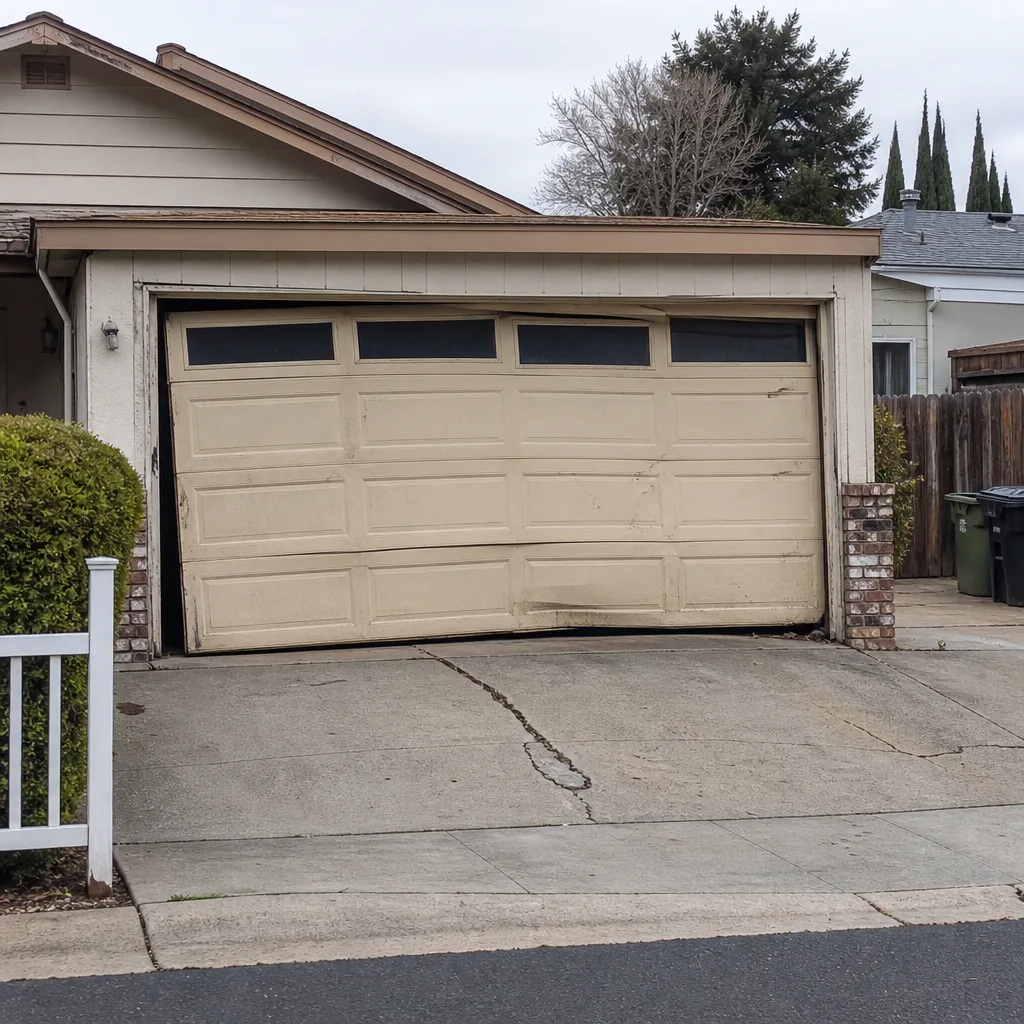 Before
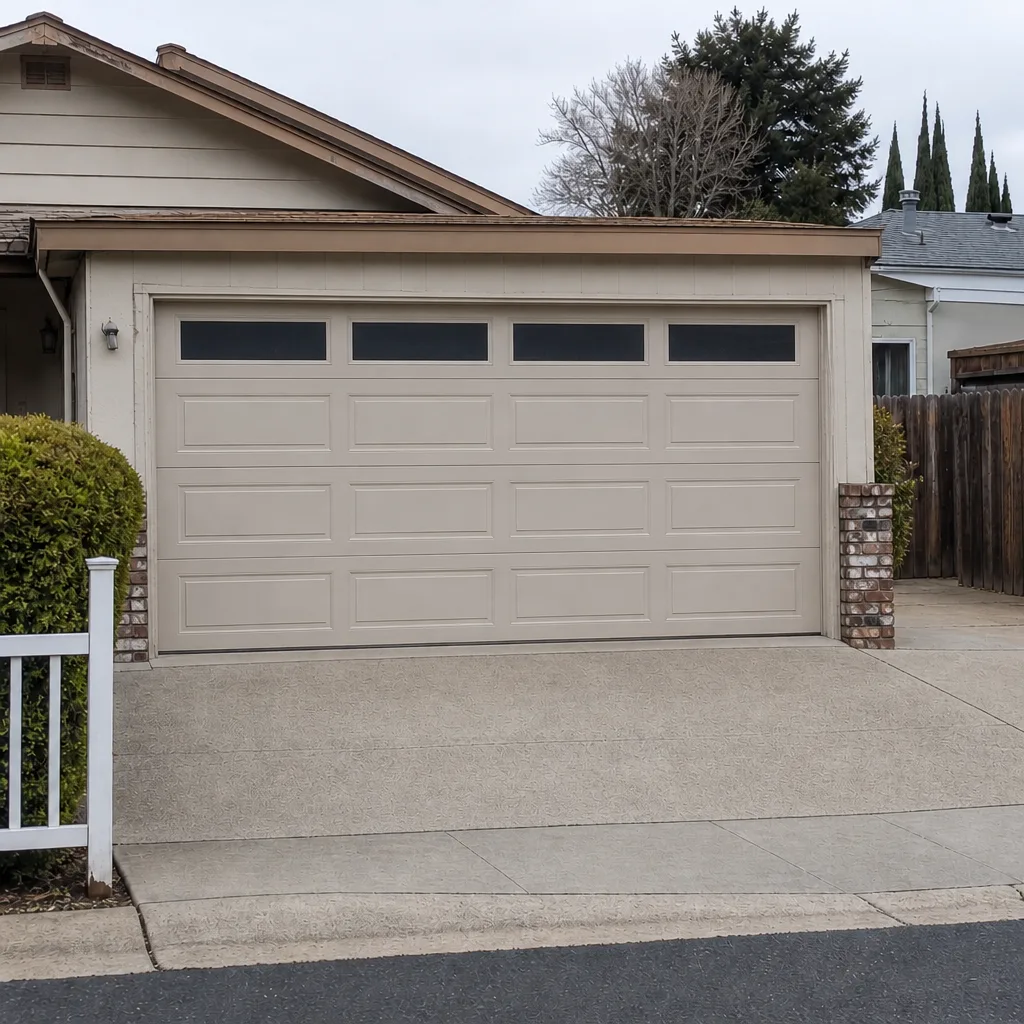 After
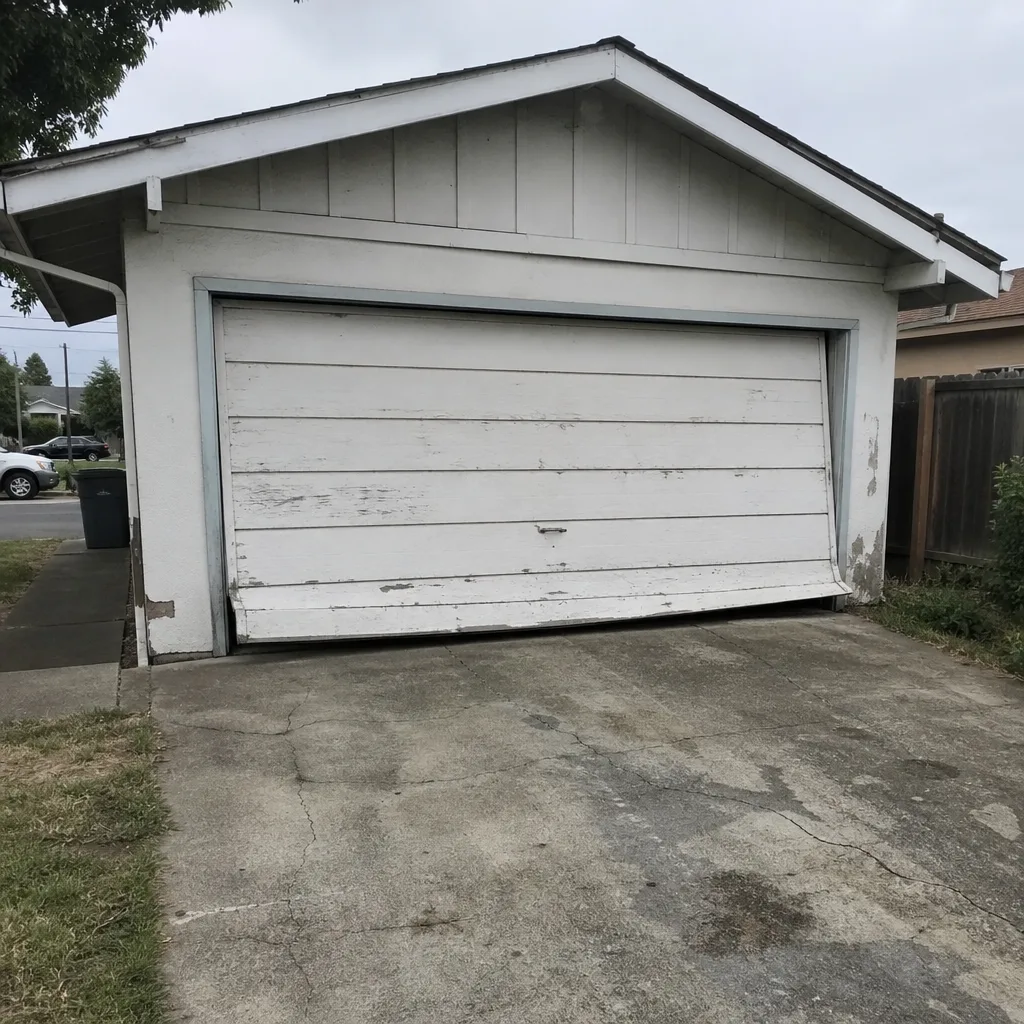 Before
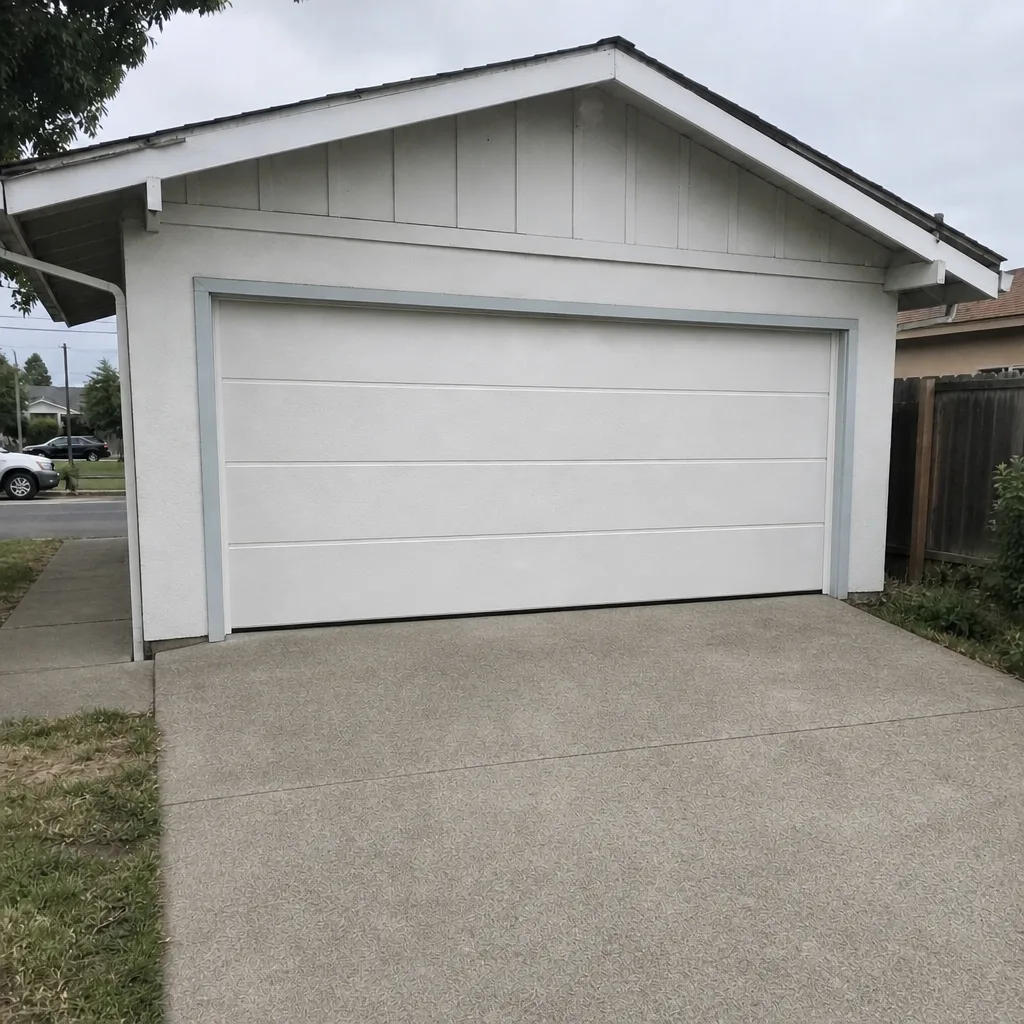 After
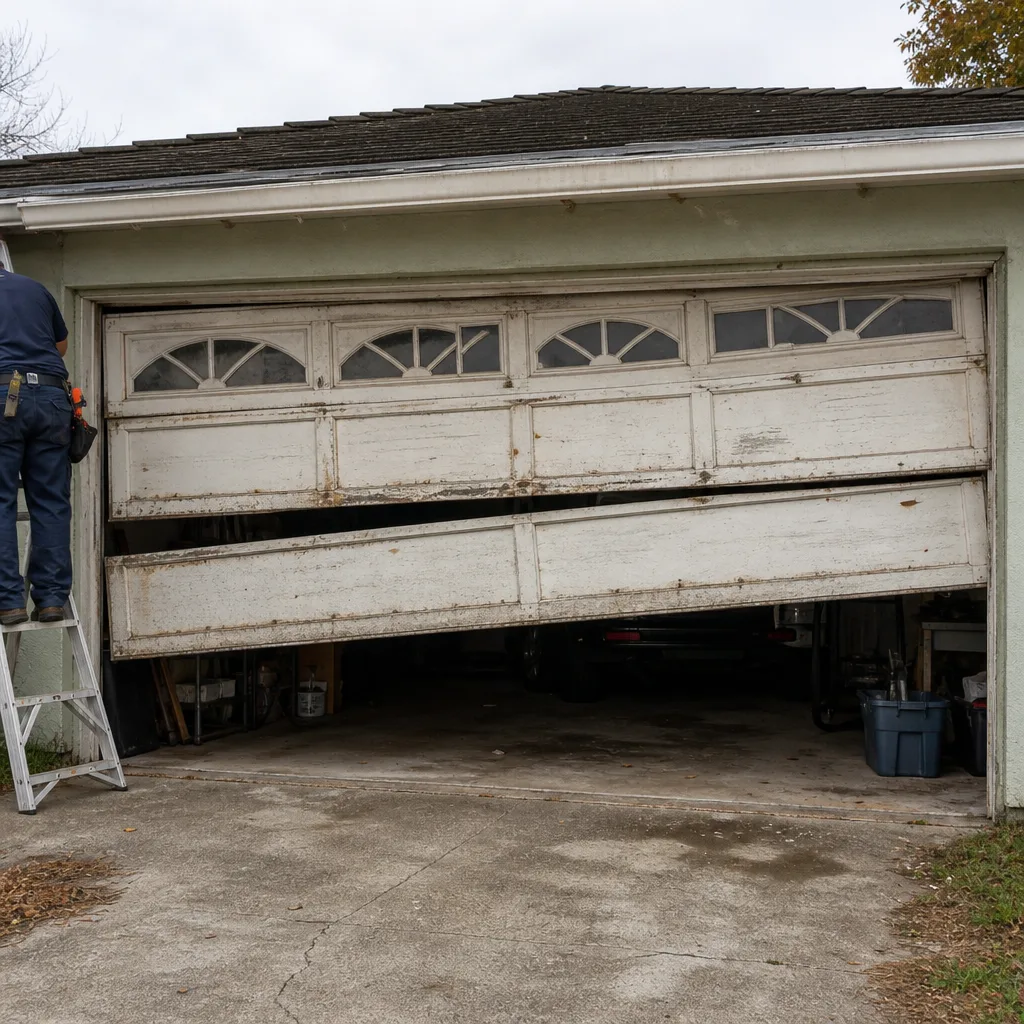 Before
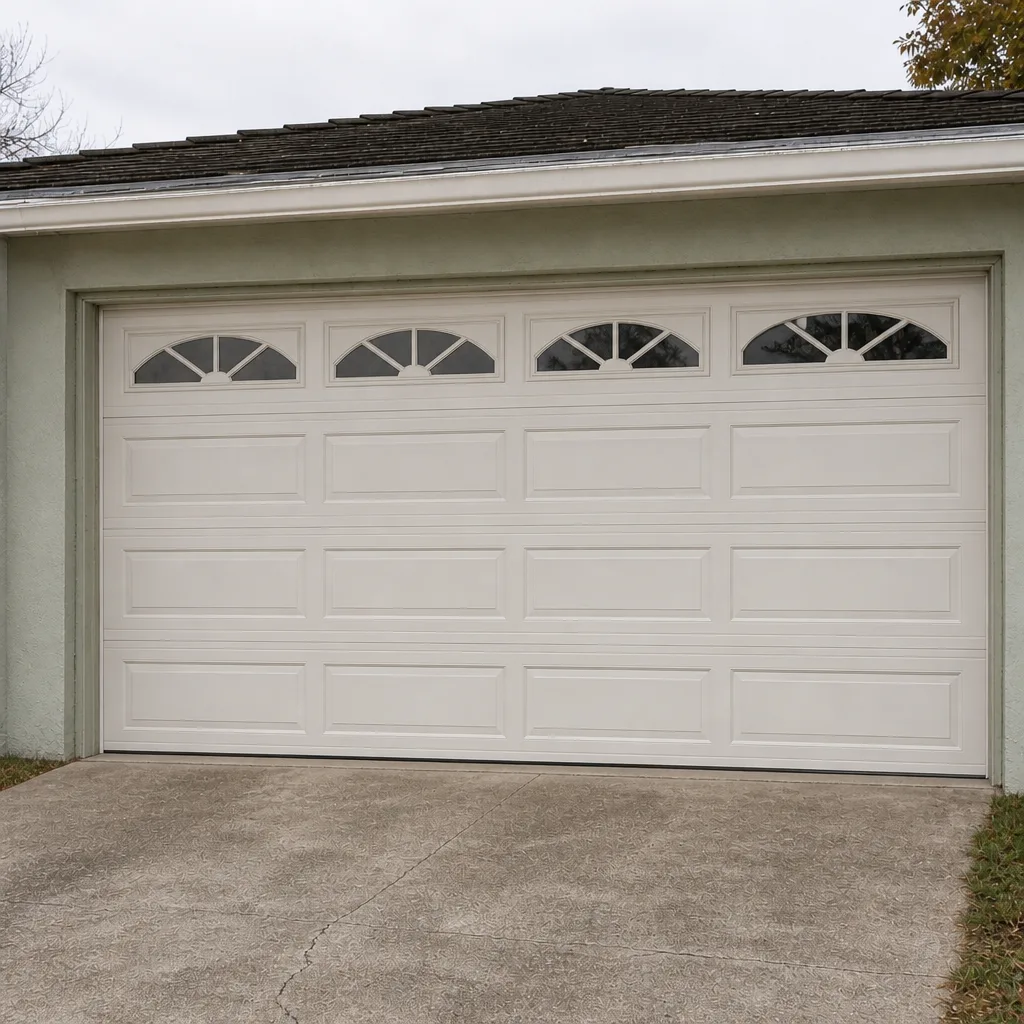 After
When to Call a Professional
Call for anything involving springs, cables, off-track doors, or a door that won’t hold position by hand. Those are the cases where the hardware is under tension and a wrong move can be genuinely dangerous. Also call if the door is stuck open and you can’t secure the opening, or if the opener runs but the door won’t move and you’ve already checked the release. For a cosmetic dent on a door that runs smoothly and evenly on both tracks, a call can wait until the next business day. What shouldn’t wait is a door that’s physically compromised, exposed, or behaving unpredictably.
Fidelity Garage Door Service offers free estimates in Fairfield. Call (844) 467-2146 and we’ll talk through what’s happening before you touch anything. We answer 24/7. Fast dispatch from 7am to 7pm, Sunday through Friday.
Frequently Asked Questions
Pull the red manual release cord with the door fully down and lift the door by hand. Once it’s up, back the car out, then close the door by hand and reconnect the release. If the door won’t stay up after you release it, that’s a broken spring and you should leave the door closed and call a technician. Our technicians have up to 13 years of experience and can diagnose this quickly.
No. A door with a broken spring is under unbalanced tension and can come down hard. Don’t run the opener, don’t prop the door with a chair, and don’t try to fix it yourself. Call a trained professional. Spring and cable hardware is one of the few parts of a garage door that genuinely can injure you.
That depends on your policy and how the damage happened. Take photos before doing anything, keep the damaged parts until your insurer says otherwise, and use temporary measures that don’t require drilling or cutting into the door. Call your insurer early and get their instructions before you repair. We can work with your insurer on the documentation side.
Secure the opening from the inside with a lock bar or a braced panel, park a vehicle nearby, and turn on exterior lights. Disconnect the opener so it can’t cycle unexpectedly, keep the remotes accounted for, and call a technician to schedule service. Don’t force the door closed or drill into the panels. We answer 24/7. A call outside dispatch hours is booked into the next opening, Sunday through Friday, 7am to 7pm.
In many cases, yes. Same-day service depends on the day’s schedule and the nature of the failure, so call and we’ll tell you what’s available. We answer 24/7 and dispatch Sunday through Friday, 7am to 7pm. Same-day work is priced the same as work on any other day; the price is set by the written estimate before any work starts.
Prices vary by the problem and the parts involved, so we quote per job by written estimate rather than giving a single number. What we can tell you is that the estimate is free, the price is set before work starts, and a written quote is what you pay unless we find something different and re-quote it with you. Call (844) 467-2146 for an exact quote.
Yes. The technicians we connect you with are licensed and insured, and they carry the training to work on your specific door and opener brand. If you have a Wayne Dalton or Craftsman system and want to confirm they can handle it, ask on the call and we’ll tell you straight.
A broken spring makes the door feel heavy and it won’t hold position when you lift it by hand. A broken opener runs but doesn’t move the door, or moves it in stops and starts. They feel similar from the driver’s seat, so use the manual test: with the door disconnected, lift it halfway and let go. If it falls, it’s the spring. If the door holds and the opener still won’t run it, it’s the opener.
The Bottom Line
Fairfield garage door emergencies come down to two recurring scenes: a power shutoff that traps the cars, and wind damage that leaves the house open. Both are survivable with advance prep. Learn the red release cord, keep it accessible, test your battery backup once a year, and don’t force a door that’s bent, off its track, or won’t hold position. The other half of preparedness is knowing who to call and how to make sure the price you’re quoted is the price you pay. Keep (844) 467-2146 in your phone and call before you improvise. We answer 24/7. Fast dispatch from 7am to 7pm, Sunday through Friday. The estimate is free and the written quote is the price.
Written by the team at Fidelity Garage Door Service.