
Last updated November 15, 2026
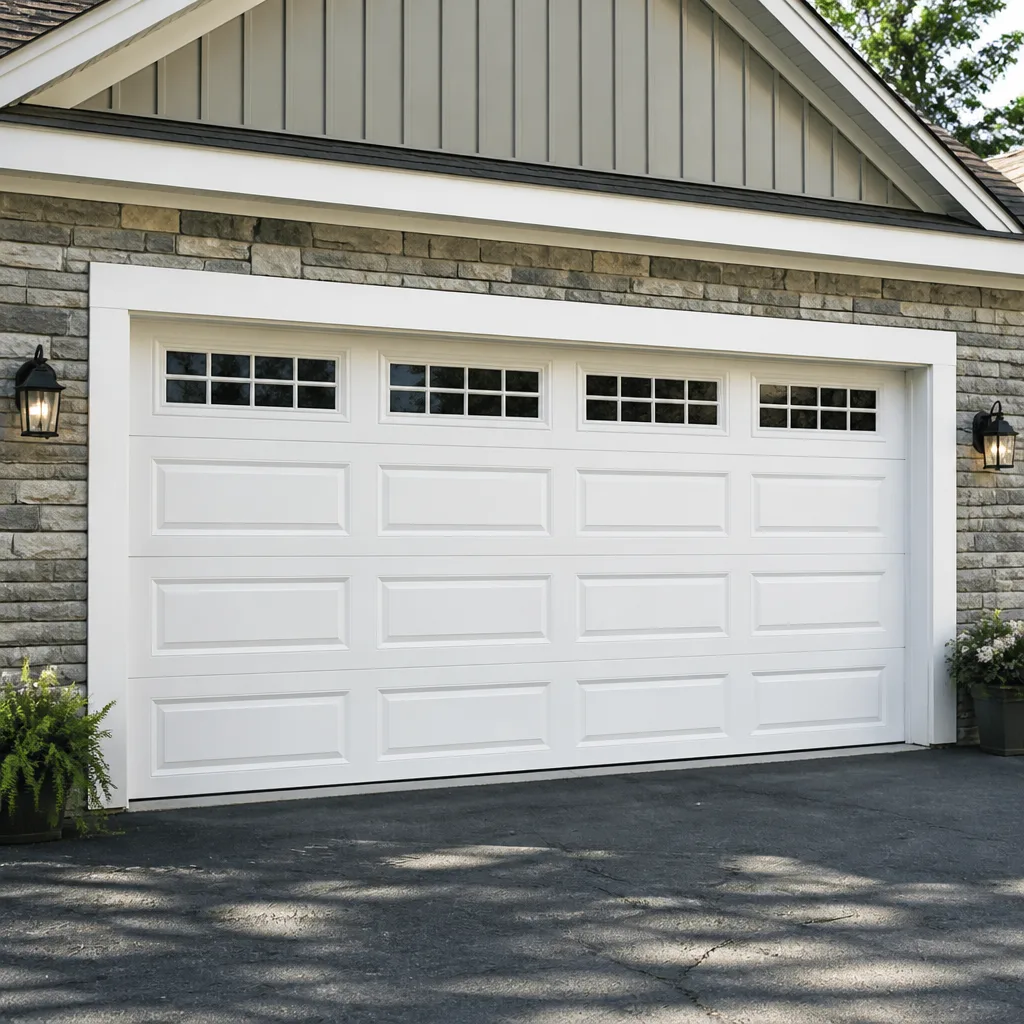 Raised-panel steel
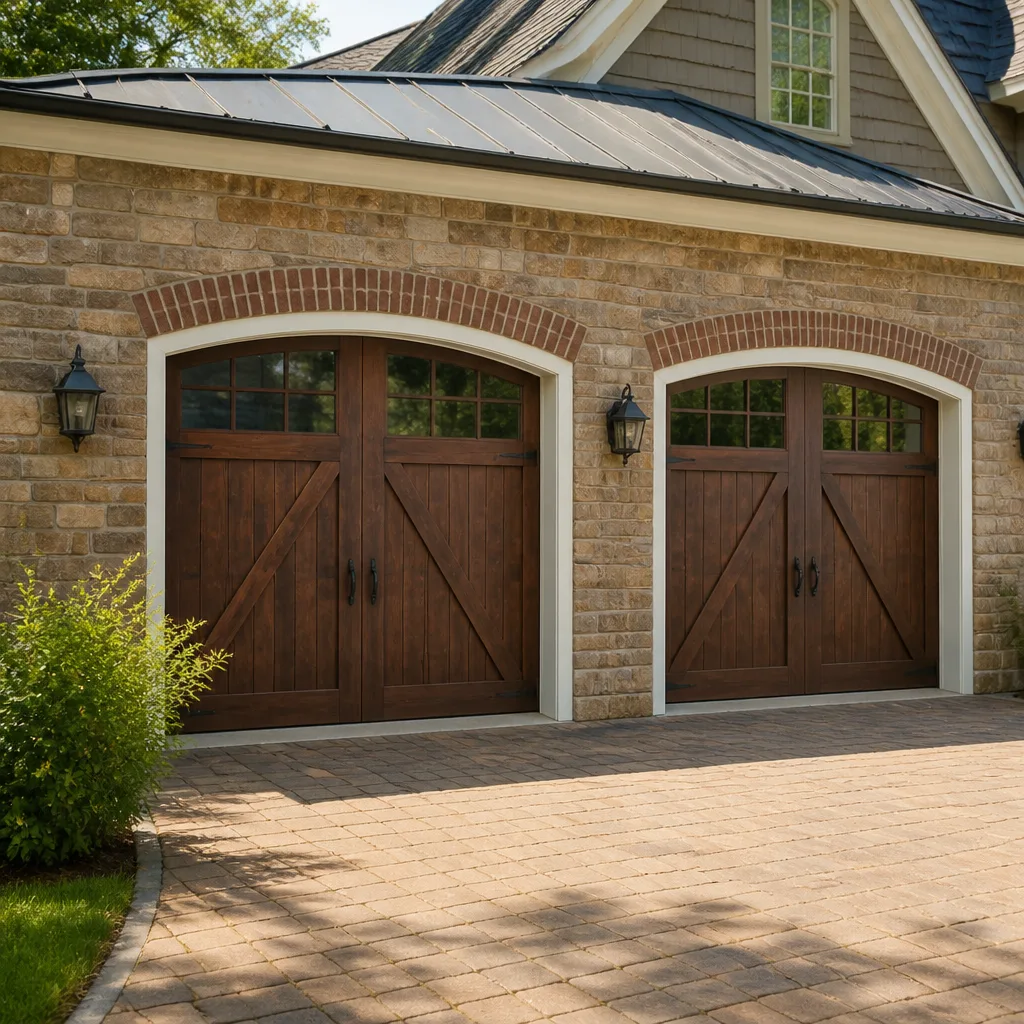 Carriage house
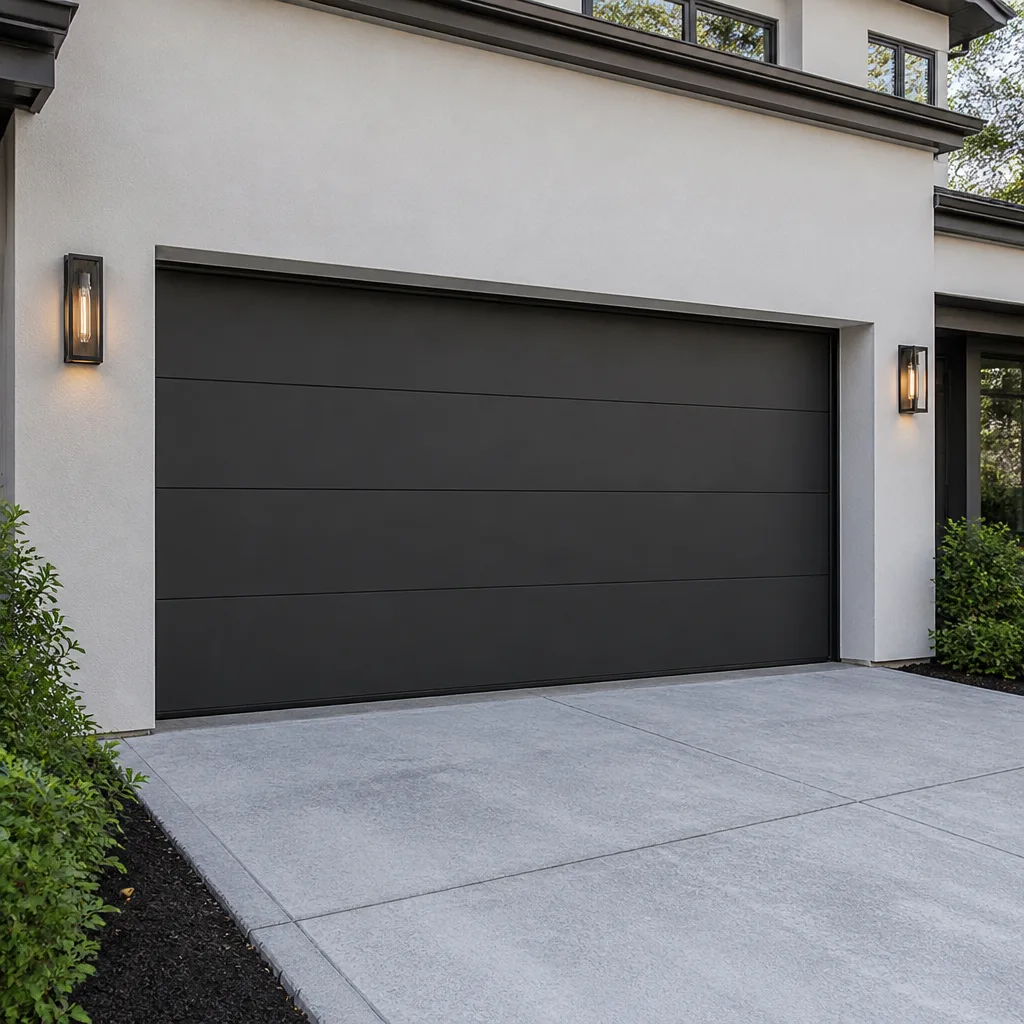 Modern flush
 Full-view glass
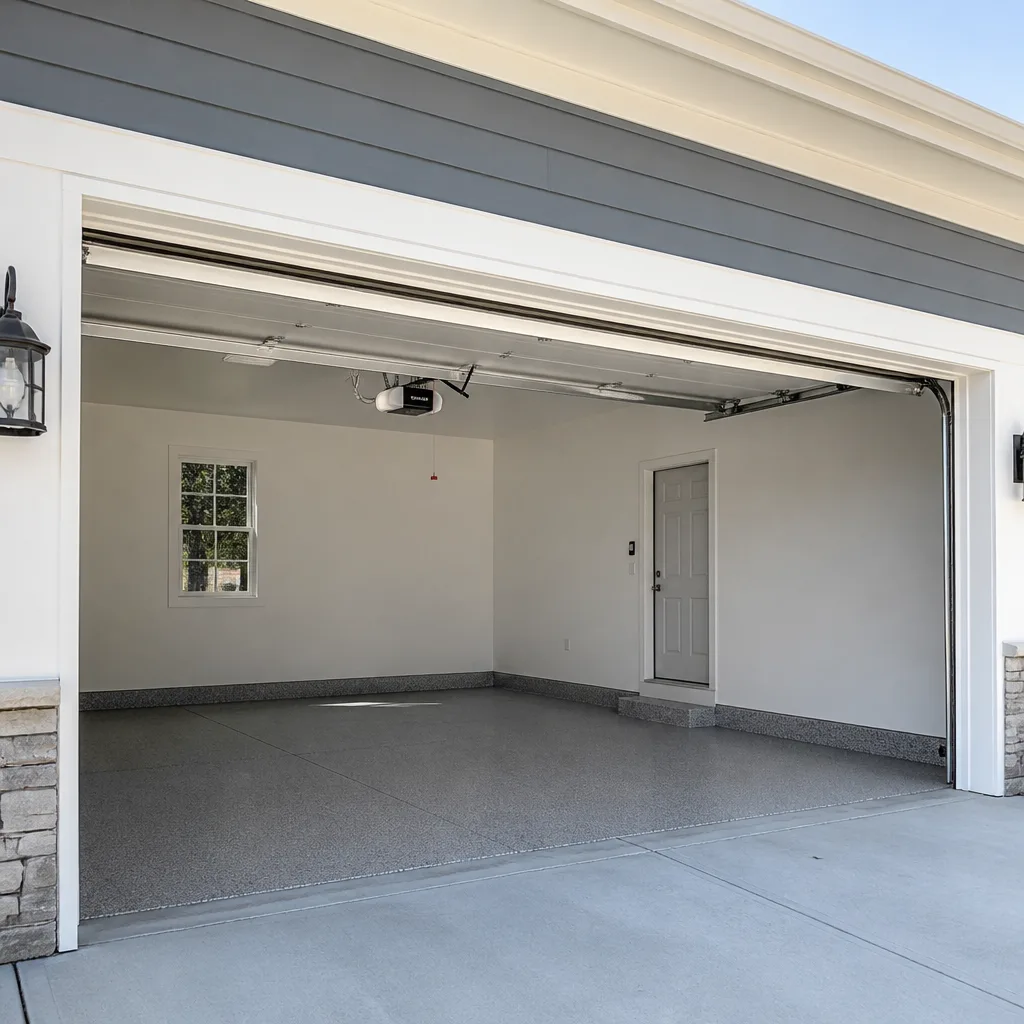 LiftMaster openers
 Chamberlain openers
Full 25-point door and opener safety check with every visit - springs, cables, rollers, tracks, and your LiftMaster or Chamberlain opener included
You get a price before we start. It does not change when the pro arrives.
Get your free estimateGarage Door Repair Maintenance Schedule: What to Do and When
A garage door opens and closes roughly 1,500 times a year in a typical household, yet most homeowners service it less often than they change a smoke detector battery. That gap is why so many doors fail at the worst possible moment. The usual advice, “lubricate twice a year and you’re fine,” ignores how doors actually wear. Wear depends on cycle counts, component type, and seasonal stress, not on the calendar. This guide replaces the vague advice with something you can actually use: a maintenance schedule built around how many times your door cycles, which parts need which products, and what the Fairfield climate does to a door over a year. You’ll learn what to check at 500, 2,500, and 10,000 cycles, how to run the two safety tests almost nobody performs, and which tasks are worth your time.
Quick Answer
Garage door maintenance should follow cycle counts, not calendar months: check balance, rollers, and hardware at 500 cycles (about four months of daily use), inspect springs, cables, and hinges at 2,500 cycles, and schedule a full professional inspection around 10,000 cycles. Layered on top, two safety tests (the reversal test and the force test) should run once a month, and the weather seal should be checked after Fairfield’s rainy season. Lubrication is component-specific, and torsion springs need trained hands, not a spray can.
Styles & brands we work with
- Raised-panel steel
- Carriage house
- Modern flush
- Full-view glass
- LiftMaster openers
- Chamberlain openers
Table of Contents
- Why Cycle Counts Beat Calendar Dates
- The 500-Cycle Check: What to Look At First
- The 2,500-Cycle Inspection: Springs, Cables, Hinges
- The 10,000-Cycle Service: When Parts Start Retiring
- Component-by-Component Lubrication Guide
- The Two Safety Tests Most Homeowners Never Run
- Fairfield Seasonal Tasks: Heat, Cold, and Rainy Season
- Which Maintenance Tasks Actually Extend Life
Why Cycle Counts Beat Calendar Dates
A cycle is one full open and one full close. That’s the unit your door’s parts actually wear in. A door that cycles four times a day and a door that cycles twenty times a day both have springs, rollers, and hinges, but the second door accumulates wear five times faster. Following a “twice a year” calendar gives the busy door too little attention and the quiet door too much.
Here’s how the math shakes out for a typical household in Fairfield. Most families cycle the door about four times a day: out in the morning, back in the evening, plus a couple of extra trips. That’s roughly 1,500 cycles a year. If you want a simple mental model, treat every 500 cycles as a checkpoint:
- 500 cycles is about four months of daily use. That’s your basic walkaround.
- 2,500 cycles is about 20 months. Some parts start showing real wear here.
- 10,000 cycles is roughly six and a half years. This is where original components begin to retire.
If you’re not sure how often your door cycles, most modern openers from LiftMaster, Chamberlain, and Genie store cycle counts or at least let you estimate from daily habits. If your door is older, a simple pen mark on a notepad by the opener button works fine. A few seconds of tallying tells you more about your door’s health than the month on the calendar.
There’s a second reason cycle-based thinking pays off: it changes how you react when something fails. A spring that breaks at 12,000 cycles isn’t bad luck. It’s a part that lived its expected life. Knowing that keeps you from feeling blindsided and helps you plan replacements instead of reacting to them.
The 500-Cycle Check: What to Look At First
At 500 cycles you’re looking for early warning signs, not overhauling anything. This check takes about ten minutes and catches the small problems before they turn into expensive ones. Do it on a day when the door isn’t needed for a while, so you’re not rushing.
- Run the balance test. Disconnect the opener (pull the release cord so the door is on manual). Lift the door halfway and let go. A healthy door stays put, roughly where you left it. A door that slams down or drifts upward has a spring or balance issue.
- Look at the rollers. Steel rollers should spin freely; nylon rollers should be smooth with no flat spots. Any roller that wobbles, grinds, or looks cracked needs attention.
- Check the hinges for looseness. Grab each hinge and wiggle it. Loose hinges rattle and eventually strip their screws from the door panel.
- Inspect the weather seal along the bottom. Press it with your thumb. If it’s stiff, cracked, or leaving gaps, it’s not sealing. In Fairfield, a worn bottom seal is one of the first things we see after a wet winter.
- Wipe and listen. Run the door up and down and listen for new squeaks, pops, or grinding. A door that talks to you is telling you something needs attention.
- Look up at the springs. Note any rust or gaps, but don’t touch them. Spring inspection from a distance is safe; anything closer is a job for a trained technician.
If everything passes, you’re done. If the balance test fails or a spring looks off, stop here and call a professional. Working on a torsion spring under tension is genuinely dangerous, and this is the point where homeowners get hurt trying to save a service call.
The 2,500-Cycle Inspection: Springs, Cables, Hinges
At around 2,500 cycles, roughly two years of typical use, several parts have started to show real wear. This is where the difference between a well-maintained door and a neglected one starts to show up in how the door sounds and how often it needs small repairs. A professional inspection at this point is worth the cost because it catches problems that aren’t visible from the ground.
What should be checked at 2,500 cycles:
- Torsion or extension springs. A technician measures tension and checks for rust, gaps, and stretch. Springs under tension can’t be safely inspected by homeowners, and this is the single most important reason to bring in a professional. For more on repair options at this stage, see garage door repair.
- Lift cables. Fraying, kinks, and loose cable ends are warning signs. Cables are under high tension and a snapped cable can whip across the garage. Check from a distance only.
- Hinges and rollers. A technician replaces worn hinges and any rollers that have developed play. Catching this early prevents panel damage and keeps the door quiet.
- Opener components. If you have a Genie or LiftMaster opener, this is the point to check the chain or belt for slack, look at the gear and sprocket, and inspect the safety sensors. Many openers are rated for a set number of cycles, and some are approaching their service life by now.
- Track alignment. Tracks that have shifted can cause the door to bind, which puts extra stress on the opener and springs.
The 2,500-cycle inspection is also a good time to look at the door’s overall condition. Panels from Clopay or Amarr that are starting to show wear at the hinges or facing can sometimes be repaired, but knowing their condition helps you plan ahead. For a deeper look at what a professional checks, see Fidelity Garage Door Service.
The 10,000-Cycle Service: When Parts Start Retiring
By 10,000 cycles, roughly six and a half years of daily use, some original components are near the end of their expected life. The door may still function, but the parts that keep it safe are getting tired. This is the maintenance stage where you’re making proactive decisions instead of reactive ones.
What typically needs attention at 10,000 cycles:
- Spring replacement planning. Springs are rated for a set number of cycles. Once they’ve hit that number, they’re living on borrowed time. A professional can tell you roughly how much life is left. A matched pair is usually replaced together, and the price depends on the size and type of spring; your written estimate sets the final cost.
- Cable inspection and possible replacement. At this mileage, lift cables have been under tension long enough that replacement is often a prudent call rather than a repair.
- Roller replacement. Rollers that have been in service this long are usually worn enough that replacing them all at once is the sensible move.
- Opener evaluation. Openers from Chamberlain, Wayne Dalton, or any other major brand have lifespans driven by cycles and use. At this point it’s worth evaluating whether the opener is still reliable or whether a replacement is on the horizon.
- Full door balance and safety re-test. The door should be re-tested at this stage to confirm it’s still within safe operating parameters.
A 10,000-cycle service isn’t about repairing everything at once. It’s about knowing what’s on the horizon so you can budget and schedule rather than call in a panic. If your door is in this range and hasn’t had a professional look at it recently, scheduling a free estimate in Fairfield is a good next step.
Component-by-Component Lubrication Guide
Most garage door lubrication advice stops at “use a lubricant twice a year.” That’s too vague to be useful, and it’s wrong in one important way: different components need different products, and some parts should never see a spray can at all.
Here’s what goes where:
- Rollers and hinges: A silicone-based or lithium-complex lubricant is appropriate. A few drops on each hinge pivot and on the roller stems, not the roller surface, does the job. Don’t over-apply; excess attracts dust and grit that wear parts faster.
- Hinge pivots: Same as rollers. A small amount, applied at the pivot points, not sprayed over the whole hinge.
- Torsion springs: A light coat of a proper spring lubricant reduces coil-to-coil friction, but springs should be treated with caution. Never spray heavily and never work on them while under tension. For most homeowners, leave spring lubrication to a professional.
- Chain or belt on the opener: Follow the manufacturer’s recommendation for your specific opener brand. Most if not all major brands call for a light lubricant or no lubricant at all, depending on the drive type. Check your manual before applying anything.
- Weather seal: A silicone spray is fine on the rubber seal to keep it pliable. This matters in Fairfield where the seal sees both summer heat and winter rain.
- Tracks: Never lubricate tracks. Metal rollers need to run on clean, dry tracks. Lubricant on tracks attracts grit and makes the door work harder.
The common mistake is WD-40 on torsion springs, or on anything, really. WD-40 is a solvent and light oil, not a long-term lubricant. It evaporates quickly and leaves the spring dry, which accelerates wear. It also attracts dust that sticks to the spring coils. Use a proper garage door lubricant for the parts that need it, and avoid WD-40 on any moving component of the door.
If you’re not sure what product is right for your door’s make and model, mention the brand when you call, whether it’s Clopay, Amarr, or another system, and we can tell you what’s appropriate.
The Two Safety Tests Most Homeowners Never Run
Modern garage doors are designed to reverse when they hit something, but that safety feature only works if it’s functioning. Two simple tests take a few minutes and could prevent a serious injury. Run them once a month.
The Reversal Test
Place a piece of wood or a thick block in the door’s path, then close the door using the opener. The door should reverse direction when it contacts the object and return to the open position. If it doesn’t reverse, stop using the door until it’s repaired. This test checks the safety sensors and the door’s travel limits.
Pass criteria: The door reverses immediately when it touches the object. Fail criteria: The door continues down, stops without reversing, or reverses only after the object is compressed significantly.
The Force Test
Open the door, then close it using the opener and, while it’s closing, apply modest resistance with your hand near the bottom edge. The door should reverse or stop when it meets resistance. On modern openers, this feature is set electronically and can drift over time.
Pass criteria: The door reverses or stops when you apply resistance. Fail criteria: The door continues to close with force, or the opener doesn’t react.
If either test fails, don’t adjust the limits yourself unless you have the manual and understand the settings. An opener set too forcefully is a safety risk, and setting it wrong can make things worse. This is a common repair call, and a professional can usually sort it in one visit. See garage door opener repair if the tests keep failing.
Fairfield Seasonal Tasks: Heat, Cold, and Rainy Season
Fairfield’s climate is mild, but the swing between summer and winter does affect a garage door. The main force at work is expansion and contraction. Metal components, especially springs and tracks, expand slowly through the summer and contract when the weather cools. Over enough seasons, that push and pull puts stress on the door’s balance, its spring tension, and the seals.
Seasonal tasks for a Fairfield door:
- Late summer / early fall: After the hottest months, check the balance test and listen for changes in how the door moves. Springs and tracks can shift slightly with temperature. If the door sounds different or moves less smoothly, have the tension checked by a professional.
- After the rainy season (late spring): Inspect the bottom weather seal and the perimeter. Rain and moisture work on the seal and on the wood or trim around the door. A seal that’s stiff or cracked lets water in and lets heat out. This is also a good time to look at the condition of the door panels, especially wood or wood-look doors from Clopay or Amarr.
- Before winter: Run both safety tests, confirm the door is balanced, and listen for any new noise. A door that’s fine in July can behave differently in colder weather.
- Year-round in Fairfield: Clean the tracks with a cloth and mild cleaner if you see dust buildup. Don’t use lubricants on the tracks. Dust from the valley and dry seasons can accumulate, and a quick wipe keeps rollers running smoothly.
You don’t need to wait for a season to call. If something doesn’t sound or feel right, that’s the time to get it checked. For local context on what we look at in this area, see Fairfield.
Which Maintenance Tasks Actually Extend Life
Not every maintenance task is worth equal effort. Some genuinely extend the life of your door, and some are mostly ritual. Knowing which is which lets you spend your time where it counts.
Tasks that measurably extend component life:
- Balancing the door. An out-of-balance door puts extra strain on the opener. A balanced door is the single best thing you can do for opener longevity.
- Proper lubrication with the right product. Correct lubrication of hinges, rollers, and springs reduces wear and noise. Doing it with the wrong product, like WD-40, can make things worse.
- Replacing worn rollers and hinges on schedule. Worn rollers put strain on the tracks and the opener. Replacing them before they fail prevents cascading problems.
- Keeping the bottom seal in good condition. A good seal keeps moisture and pests out and protects the door mechanism from weather.
- Running the safety tests monthly. These don’t extend the door’s life, but they protect the people and property around it. That’s not ritual; it’s the most important habit on the list.
Tasks that are mostly ritual:
- Washing and polishing the door. Cosmetic care keeps the door looking good and can slow surface wear, but it won’t affect how the mechanism operates.
- Obsessive track-cleaning. A quick wipe goes a long way. Frequent, deep cleaning of tracks doesn’t add much and can strip needed cleanliness if you use the wrong products.
- Annual full inspections when the door is new and well-balanced. A new door that passes all tests doesn’t need a professional every year. Cycle-based inspections make more sense.
In short: focus on balance, proper lubrication, worn-part replacement, and the safety tests. Those are the tasks that pay you back. The rest is optional. For a deeper look at what a full service visit covers, see garage door repair.
Common Mistakes to Avoid
- Spraying WD-40 on torsion springs. It’s a solvent, not a lubricant. It dries out the spring and attracts dust. Use a proper garage door lubricant, and let a technician handle spring work.
- Ignoring the balance test. A door that drifts or slams is telling you the springs are adjusting or failing. The balance test is a two-minute check that catches the problem before the door stops working.
- Skipping the monthly safety tests. Most homeowners never run the reversal or force test. A door that fails either is a hazard, and it’s better to find out before something or someone is in the way.
- Treating all doors the same in Fairfield. A door facing afternoon sun needs more attention to seals and balance than one in a shaded spot. Watch your specific door, not a general calendar.
- Lubricating tracks. Tracks should be clean and dry. Lubricant attracts grit and makes rollers work harder.
- Adjusting spring tension without training. A torsion spring under tension can cause serious injury. Tension adjustments are a professional task.
- Waiting for a failure before calling. A door that’s been making a new noise for weeks is sending a warning. The cost of a repair visit is usually less than the cost of a door that failed and took other parts with it.
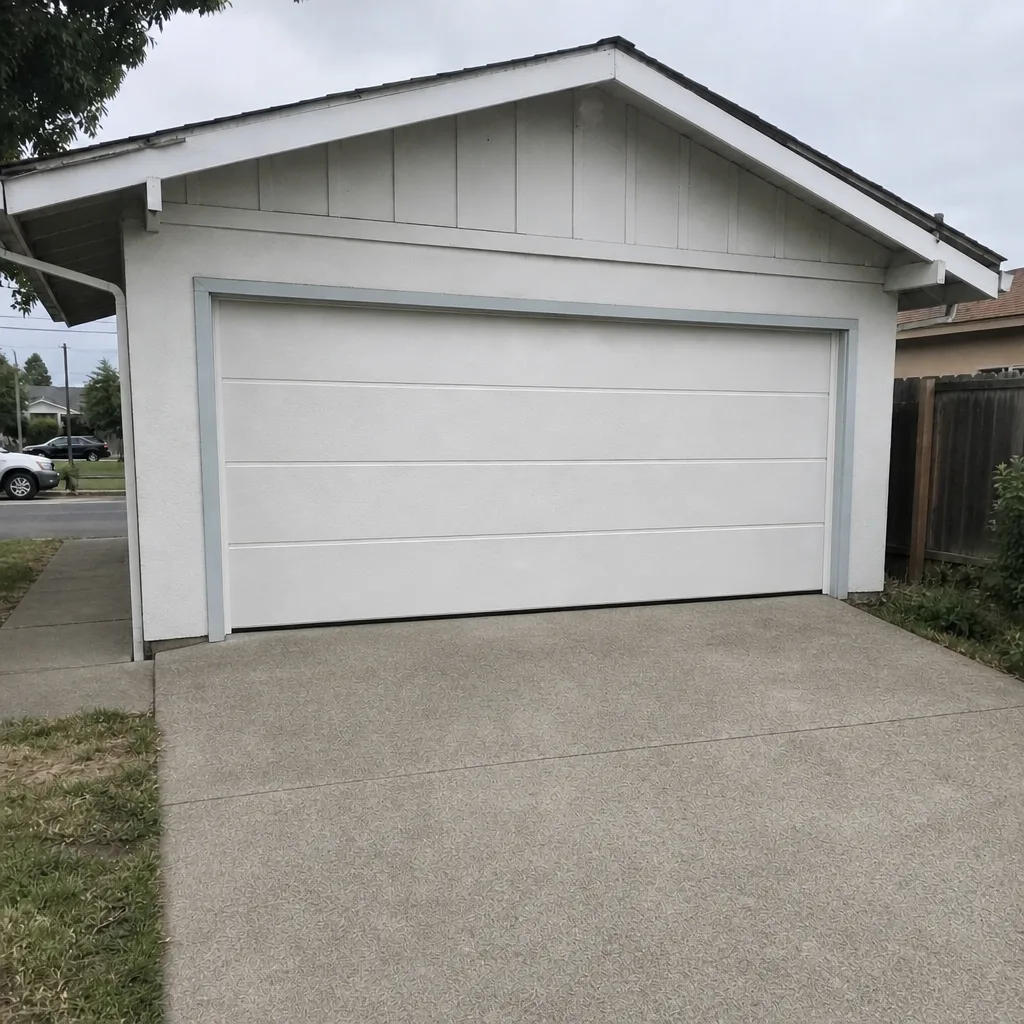
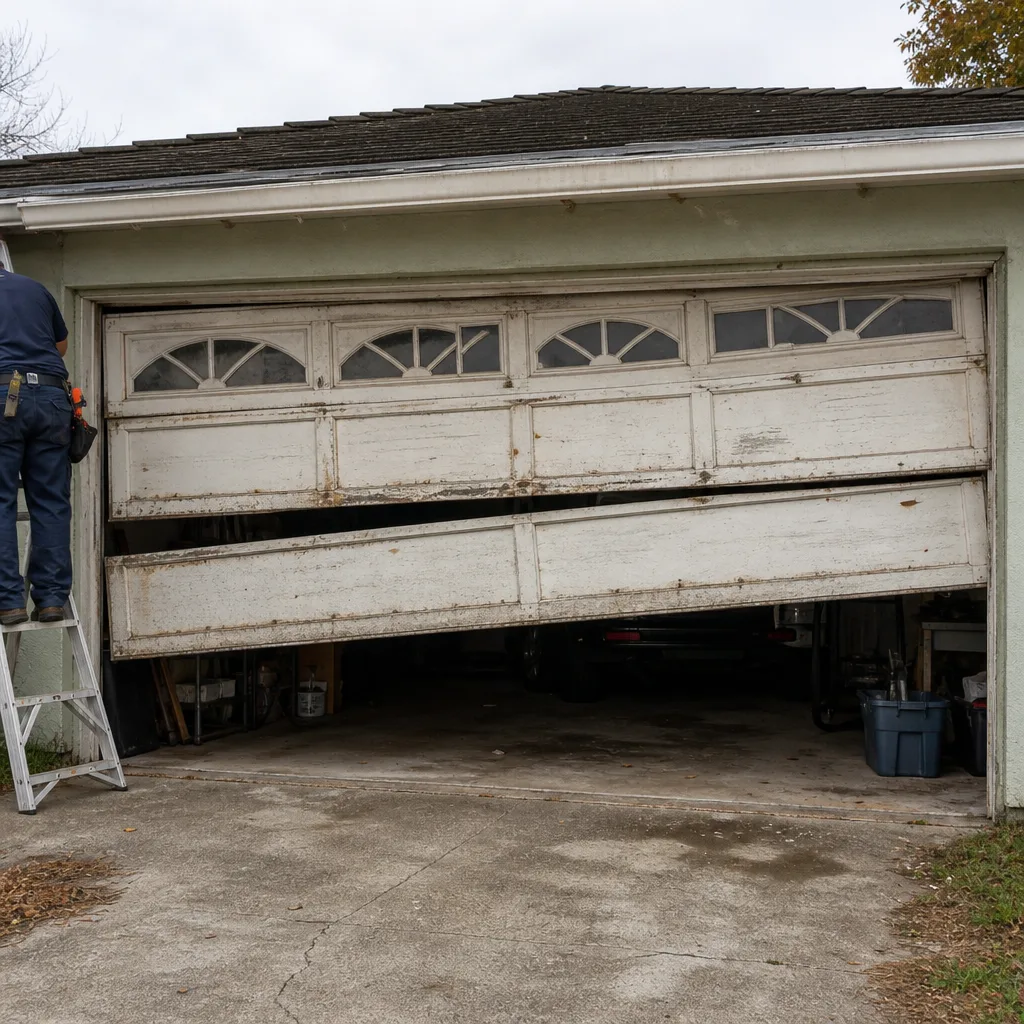
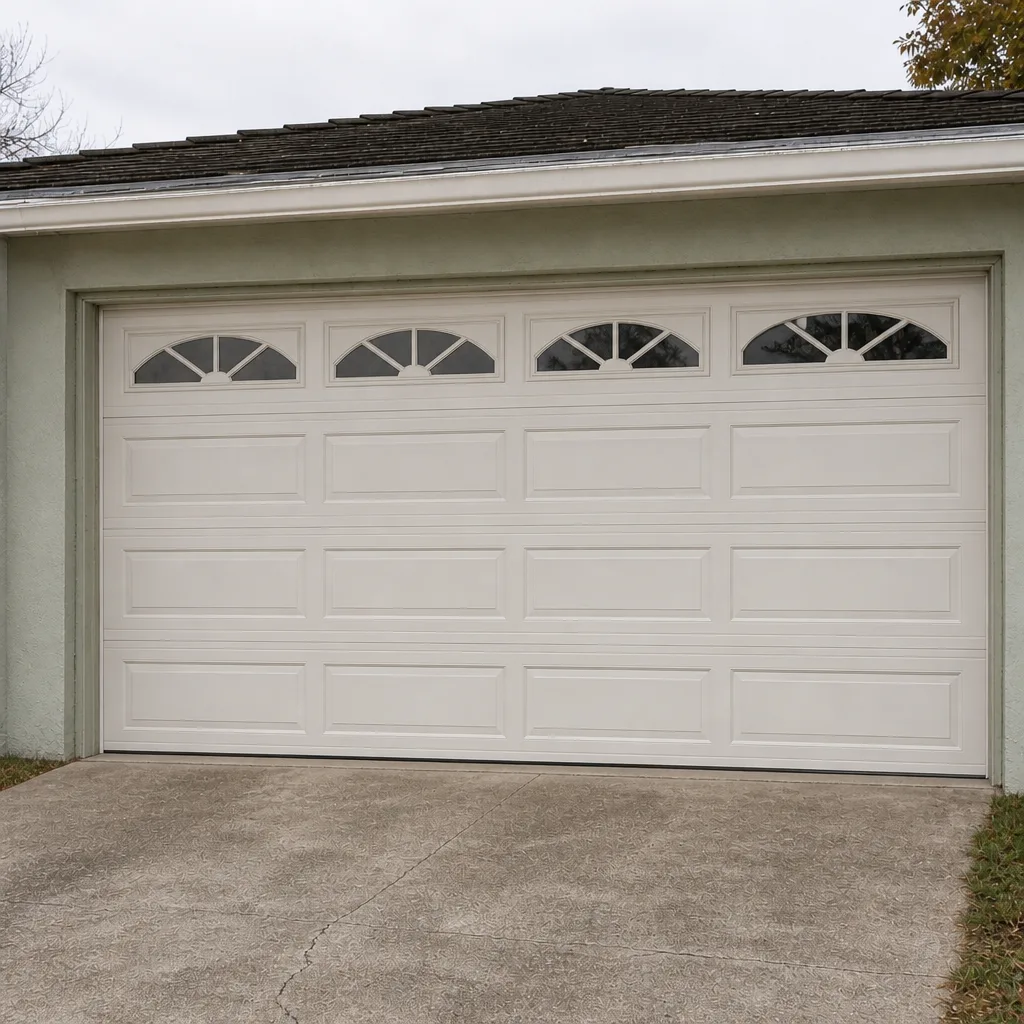
See the difference
 Before
 After
 Before
 After
 Before
 After
When to Call a Professional
Some tasks are safe for homeowners: the balance test, the safety tests, wiping tracks, checking the bottom seal, and applying lubricant to hinges and rollers. Call a professional when it comes to springs, cables, opener adjustments, track alignment, and anything that feels risky. Those are the tasks where a small mistake is dangerous or expensive.
Specifically, call us if the door won’t stay balanced, if you hear a loud bang from the spring area, if the opener reverses unpredictably, if a cable looks frayed, or if the safety tests fail more than once. If your door is near 10,000 cycles and hasn’t had a professional look at it recently, a full inspection is worth the time.
Fidelity Garage Door Service offers free estimates in Fairfield. Call (844) 467-2146. We answer 24/7. Fast dispatch from 7am to 7pm, Sunday through Friday. The written estimate sets the final price, and the price is agreed before any work starts.
Frequently Asked Questions
A basic check every 500 cycles (about four months of daily use) and a professional inspection every 2,500 cycles (roughly two years) keeps most Fairfield doors in good shape. If your door is near 10,000 cycles, schedule a full inspection. The right schedule depends on your door’s hardware and how often you use it. Call (844) 467-2146 for an exact quote; estimates are free.
No. WD-40 is a light solvent and not a long-term lubricant. It dries out springs and attracts dust. Use a proper garage door lubricant on hinges, rollers, and springs. If you’re not sure what product is right for your door, call (844) 467-2146 for guidance.
Springs are rated for a set number of cycles, and a professional can tell you roughly how much life is left. If the door is near 10,000 cycles, the springs are probably getting close. A matched pair is usually replaced together. Call (844) 467-2146 for a free estimate on spring replacement.
No. Torsion springs are under high tension and can cause serious injury. This is not a task for a homeowner. Call a professional. Fidelity Garage Door Service offers free estimates in Fairfield; call (844) 467-2146.
It could be the safety sensors, the travel limits, or a door balance issue. Run the reversal test: if the door reverses without hitting anything, the sensors or limits need adjustment. Call (844) 467-2146 for a repair visit. Fast dispatch is available from 7am to 7pm, Sunday through Friday.
Most openers last for a set number of cycles, and that number varies by brand and model. Openers from LiftMaster, Chamberlain, Genie, and other major brands are usually good for years of normal use, but heavy use shortens their life. If your opener is struggling, call (844) 467-2146 for a free estimate.
The Bottom Line
A garage door maintenance schedule works when it’s built around cycles, not calendar months. Check your door every 500 cycles, get a professional inspection around 2,500, and plan for a full service near 10,000. Run the safety tests monthly. Lubricate the right parts with the right products, and never touch the springs or cables yourself. In Fairfield, add a check of the weather seal after the rainy season and watch the balance as temperatures swing. Those habits are what keep a door running quietly and safely for years. When you need a hand, Fidelity Garage Door Service is here for the free estimate and the work that follows. Call (844) 467-2146. We answer 24/7. Fast dispatch from 7am to 7pm, Sunday through Friday.
Written by the team at Fidelity Garage Door Service.